




In a world dominated by digital screens and fleeting connections, could shared gardening be the nurturing force that revitalizes genuine bonds and emotional healing? This compelling exploration reveals how tending a garden together transcends simple horticulture, fostering trust, patience, and open communication. As hands work side-by-side to plant, nurture, and harvest, they create a sacred space for vulnerability and support, transforming routine tasks into meaningful rituals. The act of cultivating soil becomes a metaphor for cultivating relationships—showing that growth requires time, effort, and shared purpose. Moreover, gardening offers profound mental health benefits, providing a calming refuge from daily stress and a pathway to mindfulness and resilience. Could the simple act of caring for plants unlock deeper, healing connections in our lives? This insightful perspective invites us to reconsider how nature, patience, and teamwork can lay the groundwork for stronger, more empathetic communities.
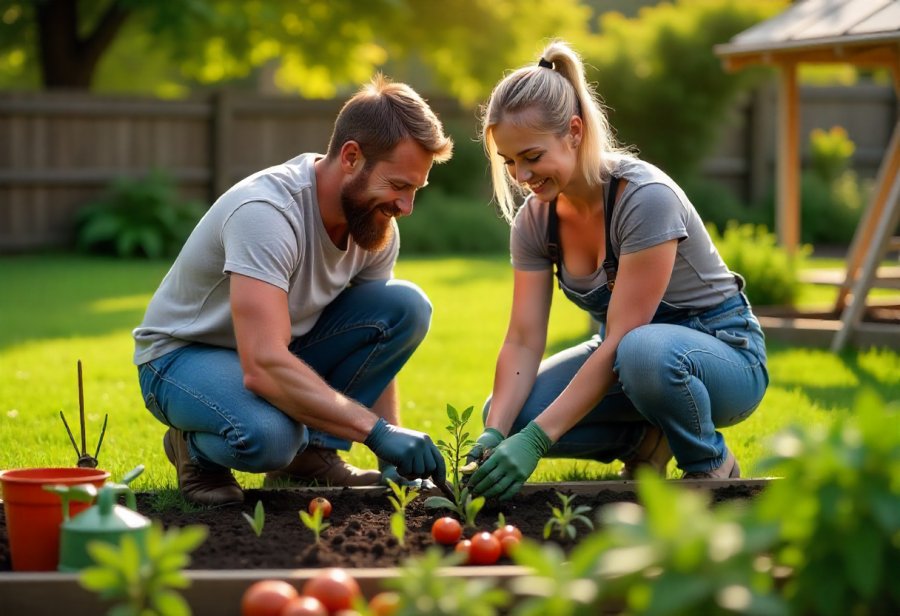
Reconnect and Heal Through Gardening in a Digital Age
In today’s digital world, genuine human connection can often feel more elusive than ever. We spend hours scrolling through social media feeds, exchanging quick texts, or binge-watching shows, leaving little room for meaningful interaction. Yet, there’s something deeply grounding about stepping outside and working alongside someone in a garden. Digging into the earth, planting seeds, and tending to plants creates a natural rhythm that encourages conversation, patience, and teamwork. It’s a simple activity, but one with powerful potential to deepen relationships and foster emotional healing.
Gardening together isn’t just about growing vegetables or flowers; it’s about nurturing trust and closeness. The physical act of working with soil and plants promotes quiet support and shared effort, helping people connect without words. As hands collaborate on watering, pruning, or harvesting, they experience a sense of joint accomplishment that can strengthen bonds over time. These moments of care open space for honest conversations and emotional vulnerability—things that digital interactions rarely allow.
In an era dominated by screens, stepping into a garden offers a different kind of connection—one rooted in presence, touch, and real-time interaction. Working outdoors helps revive trust through direct eye contact and physical effort, grounding us in the here and now. Leaving behind digital noise reminds us of the importance of patience, care, and shared purpose—values that nurture emotional resilience and healing. The garden becomes a space not only for growth in plants but also for growth in relationships.
Gardening as a shared activity also provides a calming space for reflection and emotional release. Watching plants grow and caring for something alive helps slow the mind and reduce stress. The sensory experiences—the scent of soil, the sight of blooms, the feel of dirt—anchor us in the moment and promote mindfulness. These shared routines foster patience and acceptance, qualities that carry over into our relationships, especially during challenging times, offering a gentle reminder that growth takes time and effort.
In a world where digital interactions often replace face-to-face contact, tending a garden together offers a simple but profound way to reconnect. It emphasizes patience, care, and shared effort—values that help build authentic bonds. Working side-by-side in nature reminds us that meaningful connection is rooted in presence and mutual support, creating relationships that are resilient, genuine, and grounded in the natural world.
Harnessing Gardening’s Therapeutic Power for Mental Well-Being
Gardening isn’t just about tending plants; it’s a natural way to boost mental and emotional well-being. When you dig your hands into the soil—watering, pruning, planting—you engage your senses and become more present. This act of mindfulness helps slow racing thoughts and quiets mental clutter, offering a calming pause from daily stress. Many find that just a few minutes in the garden can create a peaceful moment to breathe, reset, and reconnect with themselves.
Being outdoors amid blooming flowers, fresh soil, and the sounds of nature creates a soothing environment for the mind. These sensory experiences—sights, smells, sounds—anchor us in the present, easing worries and anxieties. Over time, this connection with nature fosters resilience, making it easier to manage stress and emotional ups and downs. It’s a simple yet powerful way to cultivate a sense of calm amid life’s chaos.
Research consistently shows that gardening lowers cortisol levels—the hormone linked to stress—and triggers the release of mood-boosting chemicals like serotonin. Caring for plants provides a tangible sense of accomplishment that enhances self-esteem and purpose. During difficult times, this activity offers emotional relief without the need for words or complex routines, serving as a safe space to process feelings and find comfort.
Gardening also teaches patience and acceptance. Watching a seed sprout and grow mirrors the slow, deliberate process of healing and growth in our emotional lives. It reminds us that progress takes time and care, reinforcing hope and resilience. This gentle, nurturing rhythm helps build a compassionate relationship with ourselves, fostering self-awareness instead of frustration.
Additionally, outdoor gardening can be a form of active meditation. The repetitive motions—digging, watering, weeding—create a rhythmic flow that calms the mind and encourages a meditative state. For those who find seated meditation challenging, this moving mindfulness offers a peaceful alternative. Focusing on tangible actions shifts attention away from worries, cultivating a sense of peaceful presence that lingers long after the work is done.
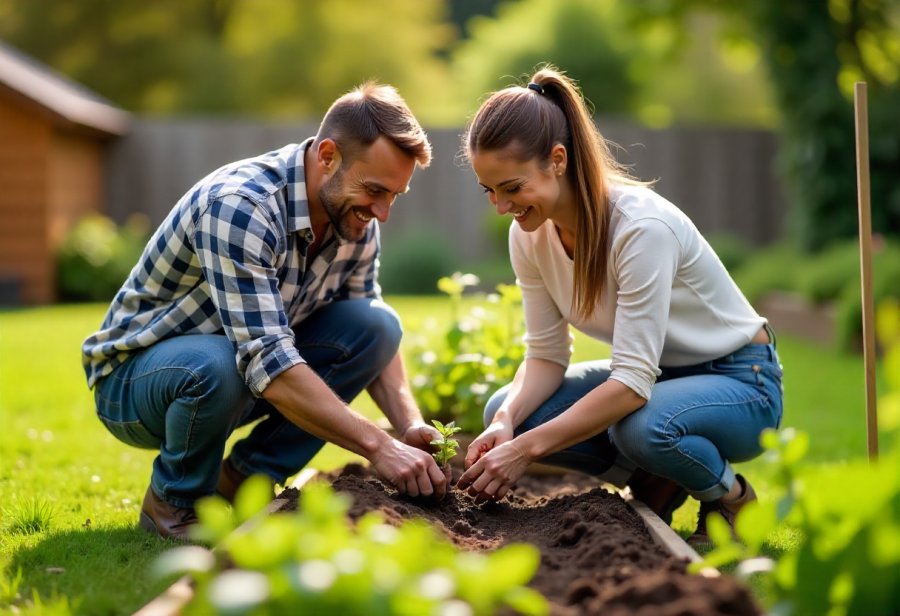
Grow Closer: Building Emotional Bonds in the Garden
Sharing gardening experiences creates a powerful space for emotional connection and healing. When people work side-by-side, planting seeds or tending to plants, they develop a sense of partnership rooted in trust and shared effort. These activities require cooperation and patience, naturally encouraging open communication and understanding. As both parties invest time and care into nurturing the same plants, they witness tangible results together, which reinforces a sense of joint achievement. This shared process fosters vulnerability and support, transforming the garden into a mirror of the relationship itself.
Working together in the garden helps break down emotional barriers. As hands dig into soil and plants are carefully tended, conversations often flow more freely. The calm environment provides a safe space where feelings can surface naturally without judgment. Over time, these moments of shared effort deepen trust and foster mutual support, extending beyond the garden into everyday life. Caring for something alive becomes a metaphor for nurturing relationships—reminding us that growth and healing require patience and ongoing effort.
Tending to plants side-by-side cultivates patience, a vital ingredient in emotional healing. Watching a seed sprout and grow teaches that progress is gradual, demanding consistent effort and care. When couples or families see their joint efforts lead to flourishing plants, it reinforces the idea that their bonds can also evolve and strengthen through shared dedication. This visual reminder of growth, combined with the physical activity, helps build resilience and a shared sense of purpose, especially during tough times.
Engaging in gardening as a team boosts empathy and compassion. Supporting each other’s roles—whether watering, planting, or weeding—encourages attentive listening and responsiveness. These small acts of support deepen emotional closeness and understanding. The garden becomes a living mirror of the relationship, illustrating that care, patience, and teamwork sustain growth—both of plants and of bonds.
In essence, tending a garden together transforms routine tasks into meaningful rituals that strengthen emotional ties. It shifts focus from individual achievement to collective progress, emphasizing that nurturing relationships requires ongoing effort, patience, and kindness. The shared experience of working in nature not only produces beautiful plants but also fosters trust and understanding. These routines serve as a foundation for resilient, genuine connections that can flourish amid life’s inevitable challenges, reminding us that growth often starts with small, consistent acts of shared care.
Simple Steps to Incorporate Shared Gardening into Your Relationship
Starting a shared gardening routine doesn’t have to be complicated. Begin by having an open conversation with your partner, family, or friends about what kind of garden excites everyone. Whether it’s growing vegetables, herbs, or flowers, finding common ground helps set a positive tone and makes the process more engaging. Even a few pots on a balcony or a small patch in the yard can serve as meaningful starting points, fostering a sense of achievement and connection.
Once you have a shared idea, divide tasks based on each person’s preferences and strengths. Some might enjoy digging and planting, while others prefer watering or harvesting. Establishing a routine—like weekend mornings or after dinner—turns gardening into a regular activity that naturally encourages conversation and cooperation. These moments evolve beyond chores into opportunities for bonding, laughter, and emotional support.
Preparing your space and gathering supplies ahead of time makes the process smoother. Basic tools such as gloves, trowels, and watering cans are essential, and many communities offer resources like local garden centers or workshops that can provide guidance. Starting small with container gardens or a modest yard plot makes it accessible and less overwhelming, especially for beginners. Focus on enjoying the process rather than striving for perfection—celebrating small wins keeps motivation high.
Consistency is key to building a lasting routine. Short, regular sessions—whether weekly or biweekly—help deepen bonds over time. During these moments, prioritize supporting each other—sharing ideas, encouraging effort, or simply enjoying the quiet together. Watching your plants flourish as a result of your joint effort reinforces the idea that patience and teamwork lead to growth, both in your garden and your relationship.
Flexibility matters just as much as routine. Life can be unpredictable, and weather may not always cooperate. When plans change, find creative ways to stay connected to your garden, such as indoor planting or quick watering routines. The goal is to keep gardening enjoyable, not a source of stress. Approaching it with patience and openness transforms these activities into positive rituals that nurture trust, understanding, and resilience.
Making gardening a regular part of your life not only produces beautiful plants but also reinforces values like care, patience, and collaboration. These routines serve as ongoing acts of kindness and shared effort, strengthening bonds through tangible results and meaningful experiences. Over time, this simple act of tending to a garden becomes a powerful foundation for emotional healing, reminding us that growth often begins with small, consistent steps taken together.
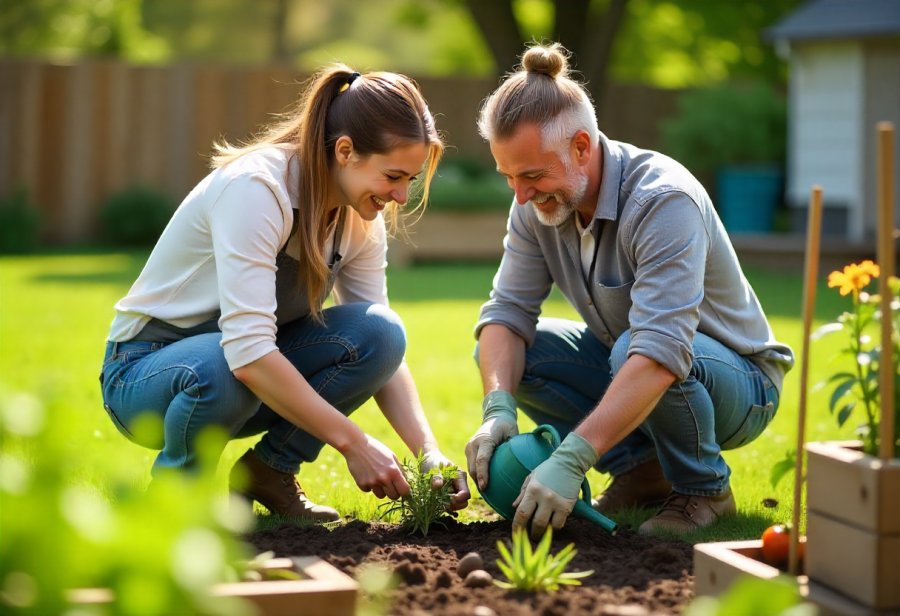
Cultivating Connection: Future Ideas for Gardening and Emotional Healing
Tending a garden together offers more than just nurturing plants; it cultivates meaningful emotional bonds and supports healing in a way that words often cannot. The shared act of working side-by-side in nature encourages trust, open communication, and mutual support—key ingredients for strengthening relationships. Evidence increasingly shows that these collaborative efforts in the garden foster feelings of closeness and trust, proving that simple outdoor activities can have profound emotional benefits.
Looking ahead, integrating gardening into community and therapeutic programs holds great promise. Future research might explore how combining digital detox initiatives with communal gardening can amplify emotional resilience and social cohesion. As awareness of nature’s mental health benefits grows, encouraging small, manageable routines—like planting herbs or flowers—can make these benefits accessible to more people. These small acts of shared effort can evolve into lasting habits that reinforce connection and purpose, ultimately fostering healthier, more empathetic communities.
Expanding accessible gardening options in urban environments—such as container gardens or shared community plots—can bring the healing power of nature to diverse populations. Such initiatives not only promote mental well-being but also help bridge social divides by creating spaces for shared effort and belonging. As understanding deepens about the relationship between nature and emotional health, it’s clear that even modest acts of tending plants can serve as powerful catalysts for growth, resilience, and connection.
Incorporating gardening into therapeutic and social frameworks offers another avenue for building healthier communities. Promoting collaboration across sectors like healthcare, education, and urban planning can embed gardening into daily life, making its benefits routine and widespread. These efforts remind us that growth—personal and relational—begins with patience, consistency, and shared intention. The tangible results in blooming plants and strengthened relationships reinforce the idea that genuine connection is rooted in ongoing, mindful effort.
Finally, recognizing individual differences and barriers to participation ensures that the benefits of gardening reach everyone. Tailoring approaches—such as indoor planting options or accessible raised beds—can make the activity inclusive and adaptable. By fostering opportunities for all to engage with nature, we reinforce that healing and connection are universal needs. Small, intentional routines rooted in shared care remind us that growth and resilience often start with simple acts, sustained over time, in partnership with others.