



The backyard mechanic’s garage is more than a simple workspace; it’s a sanctum where craftsmanship, passion, and tradition converge. Beyond fixing engines or restoring vintage vehicles, it embodies patience, resilience, and a deep bond with machinery. As technology advances, these personal workshops are evolving—integrating digital diagnostics, electric conversions, and even 3D printing—blurring the lines between old-school skills and modern innovation. Yet, amid these changes, the core spirit remains rooted in resourcefulness and reverence for history. Could this blend of tradition and technology sustain the timeless joy of revival, or will it alter the very essence of backyard craftsmanship? With a growing community sharing ideas worldwide and a focus on sustainability, the future promises a space where ingenuity and heritage continue to thrive, proving that even a small, personal garage can be a powerful hub of creativity and cultural preservation.
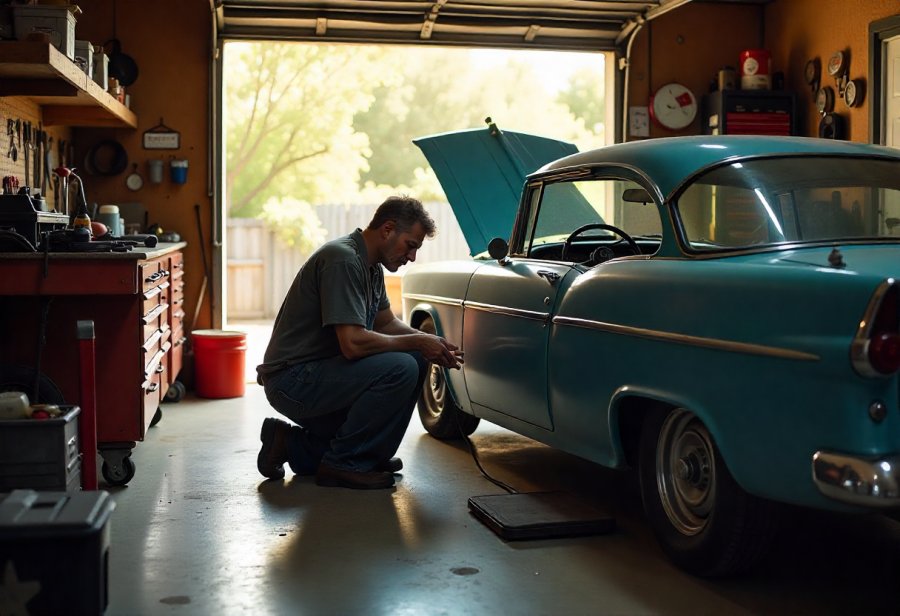
Sanctuary of Passion: Exploring the Backyard Mechanic’s Garage
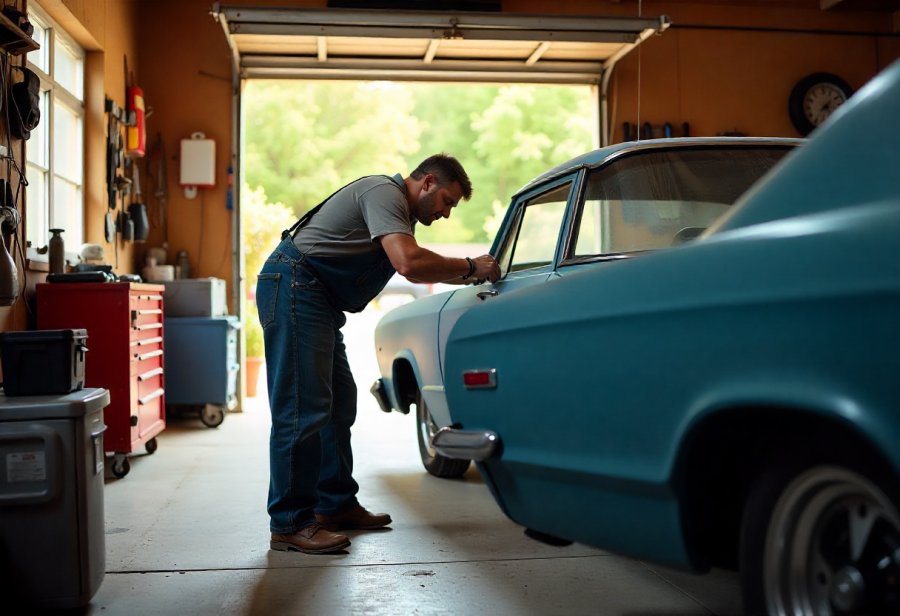
A backyard mechanic’s garage is more than just a place to park a car or store tools—it’s a personal sanctuary where passion for craftsmanship comes alive. It’s a space that transforms simple acts like turning a wrench into a ritual, a way to connect with machines on a deeper level. Every corner of this haven reflects its owner’s personality, filled with well-worn tools, vintage parts, and memories waiting to be made. It’s a place where patience, perseverance, and love for restoring old machines come together in a quiet, focused atmosphere.
For many, the garage is more than a workshop; it’s a retreat from daily stress, a refuge where focus shifts from screens and schedules to hands-on work. Here, projects unfold at a comfortable pace, free from outside pressure, allowing craftsmanship to flourish. Over time, the space becomes a mirror of its owner’s interests and dedication, with shelves lined with memorabilia and remnants of past restorations. It’s a space where skills are not just learned—they’re celebrated, shared, and passed down.
Restoring vintage vehicles or equipment isn’t just about fixing machines; it’s about reviving stories and traditions. Each project begins with curiosity, respect, and a sense of reverence for craftsmanship. Mechanics assess, disassemble, and carefully breathe new life into neglected parts, turning rust and neglect into revival and beauty. This process becomes almost meditative—a dance of patience and precision, where setbacks are seen as puzzles to solve rather than failures.
Beyond the technical work, the garage is an emotional space—a place of pride and connection. The act of restoring something cherished creates bonds with history and craftsmanship that run deep. It’s where skills are honed, stories are shared, and a sense of achievement grows with every successful repair. The garage is more than a workshop; it’s a sanctuary that embodies the mechanic’s love for machines, tradition, and the timeless joy of revival.
Preserving Heritage: The Roots and Cultural Significance of Vintage Restorations
The roots of backyard machine restoration reach deep into history, reflecting a time when craftsmanship and self-reliance shaped everyday life. Before mass production made many tools and vehicles disposable, people took pride in repairing and maintaining their own equipment. Restoring vintage machines wasn’t just about saving money; it was a way to preserve a way of life built on ingenuity, resourcefulness, and hands-on skills. This tradition fostered a culture where fixing and restoring became acts of personal pride and community bonding.
During the mid-20th century, this practice gained momentum as hobbyists and collectors embraced it as more than a necessity. Restoring classic cars and vintage machinery became a way to connect with a bygone era of craftsmanship and craftsmanship’s values. Local garages and home workshops became gathering spots where knowledge was passed from generation to generation, reinforcing a shared identity rooted in skill and tradition. For many, working on these machines was an act of honoring history, craftsmanship, and the stories embedded within each piece.
Memories of childhood—watching a parent or grandparent tinker in the garage—are often the spark that ignites lifelong passions. The curiosity about how machines work, combined with a desire to keep relics alive, fuels this enduring love. Restorations are more than mechanical tasks; they’re journeys of discovery and patience, where each fix deepens the bond between the mechanic and their machine, and between generations.
As time went on, this hands-on culture evolved but remained rooted in its core values. Traditional techniques blended with emerging technologies, allowing hobbyists to push boundaries while still respecting the craftsmanship of the past. Today’s enthusiasts scavenge parts from junkyards, but also incorporate digital tools, diagnostics, and modern materials. This dynamic creates a bridge between history and innovation, ensuring the culture remains vibrant and relevant.
In recent decades, the importance of preserving mechanical heritage has taken on new significance. As vintage vehicles and machinery become rarer, home restorations serve as acts of cultural preservation. They keep alive not just the machines but the skills, stories, and traditions that define a community’s identity. Restoring old machines has become a form of storytelling—an effort to pass down a legacy through each project completed in the backyard.
This movement also mirrors broader societal shifts toward sustainability and resourcefulness. Repairing and reusing old equipment reduces waste and emphasizes the value of craftsmanship over disposability. Many hobbyists see their garages as spaces of environmental responsibility, blending nostalgia with eco-conscious practices. This mindset reinforces the idea that craftsmanship isn’t just about fixing; it’s about respecting the materials and history embedded in every machine.
Today’s backyard restorers are part of a living tradition that continues to grow. They combine old-school skills with new innovations, fostering a culture that values both heritage and progress. Their work preserves not just machines but a way of life—one rooted in resilience, creativity, and the joy of revival. This ongoing story highlights how a simple act of repair can become a powerful link to the past, shaping the future of mechanical craftsmanship.
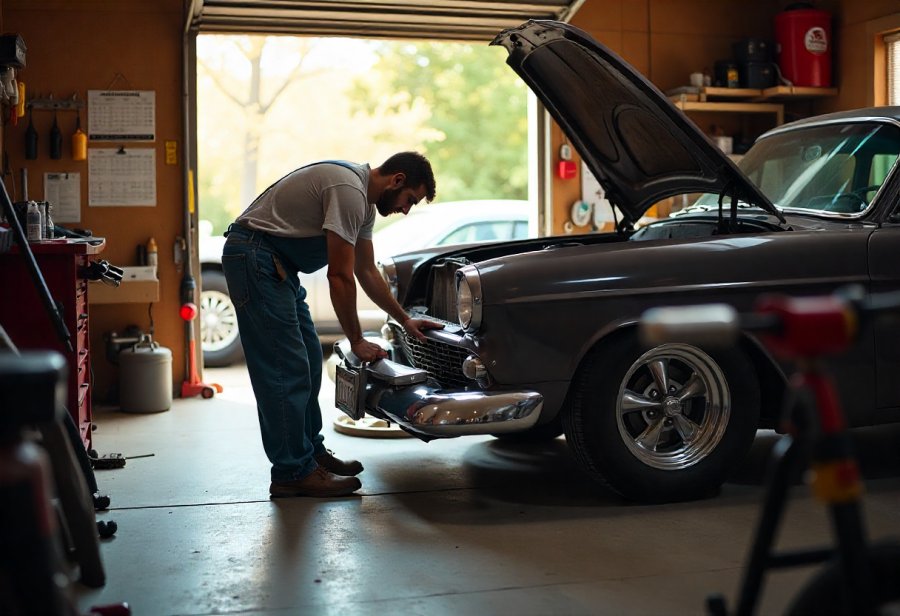
Innovation Meets Tradition: The Evolving Landscape of the Modern Backyard Garage Scene
The backyard mechanic scene today beautifully blends tradition with innovation, reflecting how personal garages are evolving to meet modern demands. Gone are the days when fixing a vintage car was solely about manual skill; now, enthusiasts incorporate advanced technology that makes projects more accessible and precise. Electric vehicle conversions, for example, are gaining popularity, allowing hobbyists to combine nostalgia with sustainability. This shift isn’t just about preservation—it’s about reimagining the way we approach restoration in an eco-conscious world.
Digital diagnostics have become a staple in many home garages. Connecting a smartphone or laptop to a vehicle’s onboard computer lets mechanics troubleshoot electrical and engine issues with surprising accuracy. This technology reduces guesswork and accelerates repairs, giving amateurs the confidence to take on more complex projects. Online communities—forums, YouTube tutorials, social media groups—further support this movement by sharing ideas, tips, and solutions across borders, creating a global network of backyard restorers.
Many hobbyists now blend classic techniques with modern upgrades. Vintage cars with LED lighting, upgraded suspensions, or hybrid drivetrains are common sights in these garages. This combination of old and new keeps the scene vibrant, appealing to both purists and tech enthusiasts. The garage layouts mirror this evolution, featuring smart storage, portable workbenches, and adjustable lighting designed for efficiency and comfort, transforming the space into a high-tech workshop.
The sense of community remains central. Online platforms foster a shared culture where enthusiasts exchange ideas, showcase projects, and troubleshoot problems together. This digital camaraderie encourages experimentation and pushes the boundaries of what’s achievable at home. Projects are no longer just about fixing; they’re about innovating, customizing, and sharing breakthroughs, keeping the scene dynamic and inspiring.
Traditional skills like carburetor tuning and engine rebuilding still hold value, even as technology advances. Many hobbyists see their work as a balance—respecting craftsmanship while embracing modern tools. This hybrid approach allows for ambitious projects, such as electric conversions or complex restorations, all within the garage’s familiar, personal environment. It’s a space where history and innovation coexist, fueling ongoing creativity.
However, space constraints and project complexity pose challenges. Urban garages are often small, demanding creative storage and organization solutions. As projects grow more sophisticated, the learning curve and costs increase, but resourceful hobbyists find ways to adapt. Sharing tips online helps overcome these hurdles, ensuring that passion continues to thrive despite limitations.
Looking ahead, the future of backyard garages is bright. Advances in technology—like 3D printing, smart tools, and eco-friendly materials—are expanding what’s possible. Hobbyists are increasingly focused on sustainability, blending vintage charm with green practices. Electric conversions, recycled parts, and waste reduction are becoming part of the new norm, making these spaces not just workshops but hubs of responsible craftsmanship.
Ultimately, the modern backyard garage is more than a workspace; it’s a reflection of a community committed to preservation, innovation, and personal expression. This evolving scene ensures that the love for mechanical revival remains vibrant, bridging generations and shaping the future of home-based craftsmanship.
Skills and Stories: How Personal Garages Drive Restoration and Community
A backyard garage isn’t just a place to store tools or park a vehicle; it’s a vibrant workshop where skills are sharpened and confidence is built through hands-on experience. Many enthusiasts see their space as a personal classroom, where trying new techniques or refining existing ones becomes part of their daily routine. Whether adjusting a carburetor, fabricating a custom part, or wiring an electrical system, each project adds to a growing toolkit of practical knowledge that makes future restorations feel more manageable and rewarding.
Restoration projects are at the heart of what makes a backyard garage special. Starting with a neglected or vintage machine—rusted, incomplete, or sitting idle—enthusiasts transform it into a functioning piece of history. This process involves disassembly, thorough cleaning, careful repairs, and meticulous reassembly. Every step is a lesson in patience and creativity, where setbacks become opportunities for learning rather than obstacles. These projects deepen the mechanic’s connection to craftsmanship and tradition, making each revival more meaningful.
Beyond individual skills, the garage often becomes a community hub. Many hobbyists connect with neighbors or fellow enthusiasts through local meetups, online forums, or social media groups. Sharing tips, swapping parts, or collaborating on complex projects turns the garage into a lively network of mutual support. This exchange accelerates learning and fosters a sense of camaraderie that transforms solitary efforts into collective stories of achievement, inspiring ongoing passion for restoration.
An organized workspace makes a noticeable difference in project success. Practicing good organization—labeling parts, storing tools properly, maintaining a clutter-free workbench—reduces frustration and saves time. Many hobbyists invest in smart storage solutions, adjustable workbenches, and portable carts to maximize space and efficiency. A tidy environment keeps focus sharp and minimizes the risk of losing small parts, making each project smoother and more enjoyable.
The garage is also a testing ground for innovation. Many enthusiasts experiment with modifications, upgrades, or hybrid projects by combining vintage parts with modern technology. Installing electronic fuel injection, LED lighting, or hybrid drivetrains within a familiar space sparks creativity and pushes boundaries. Sharing these breakthroughs within the community encourages others to explore new ideas, ensuring the scene remains dynamic, inventive, and full of potential.
In all, the backyard garage serves as a space of growth, pride, and shared passion. Every successful repair, every revived machine, and every story exchanged adds to a sense of achievement that fuels ongoing curiosity. It’s a sanctuary where skills deepen, traditions are preserved, and the love for mechanical revival continues to thrive. In this environment, every turn of the wrench reinforces a lifelong bond between the mechanic and their machines—a space where craftsmanship, community, and creativity come together in the pure joy of revival.
Future Frontiers: Trends and Innovations Shaping the Backyard Mechanic’s World
Looking ahead, the backyard mechanic scene stands on the cusp of exciting change. Advances in technology are reshaping what’s possible within the personal garage, opening new avenues for innovation and creativity. Electric vehicle conversions are growing in popularity, allowing hobbyists to blend the charm of vintage machines with modern sustainability. This shift isn’t just about nostalgia; it’s a way to challenge traditional notions of restoration and push boundaries, making projects more eco-friendly and forward-thinking.
Meanwhile, tools like 3D printing are revolutionizing parts sourcing. Instead of waiting weeks for rare components, backyard mechanics can now produce custom parts right in their own garages. This capability not only accelerates projects but also encourages more ambitious builds, knowing that the obstacles of part scarcity are shrinking. Digital diagnostics, too, have become standard, providing precise troubleshooting that was once only available to professionals, empowering amateurs to undertake complex repairs confidently.
The community aspect continues to thrive online, with forums, tutorials, and project logs fostering a global network of enthusiasts. Sharing ideas and solutions across borders fuels experimentation and helps push the scene forward. This connected culture makes it easier for newcomers to dive in, offering support and inspiration while blending tradition with innovation.
Garage design is evolving as well. More hobbyists are creating efficient, comfortable workspaces equipped with smart lighting, organized storage, and climate controls. These upgrades turn the garage into a high-tech sanctuary, where long projects are more manageable and enjoyable. As tools and layouts become smarter, the space itself becomes an active partner in the creative process.
Sustainability is becoming a core focus. From recycled parts and eco-friendly fluids to waste reduction practices, home restorers are increasingly conscious of their environmental footprint. Hybrid projects that combine vintage engines with electric drives are gaining traction, reflecting a broader shift toward responsible craftsmanship. This blending of old and new ensures that the love for mechanical revival remains relevant and forward-looking.
Looking further, innovations like smart tools and digital monitoring will continue to enhance precision and efficiency. The integration of AI-assisted diagnostics and automation will make complex tasks more accessible, even for those just starting out. The garage of the future will be a space where craftsmanship and technology merge seamlessly, fostering a new wave of creative possibilities.
In the end, the backyard mechanic’s garage will remain a vital hub of tradition and innovation. It’s a space driven by passion, constantly adapting to new tools and ideas while preserving the core love of revival and craftsmanship. As this culture evolves, it will keep inspiring generations to come, proving that even in a small, personal space, the spirit of mechanical ingenuity can thrive endlessly.