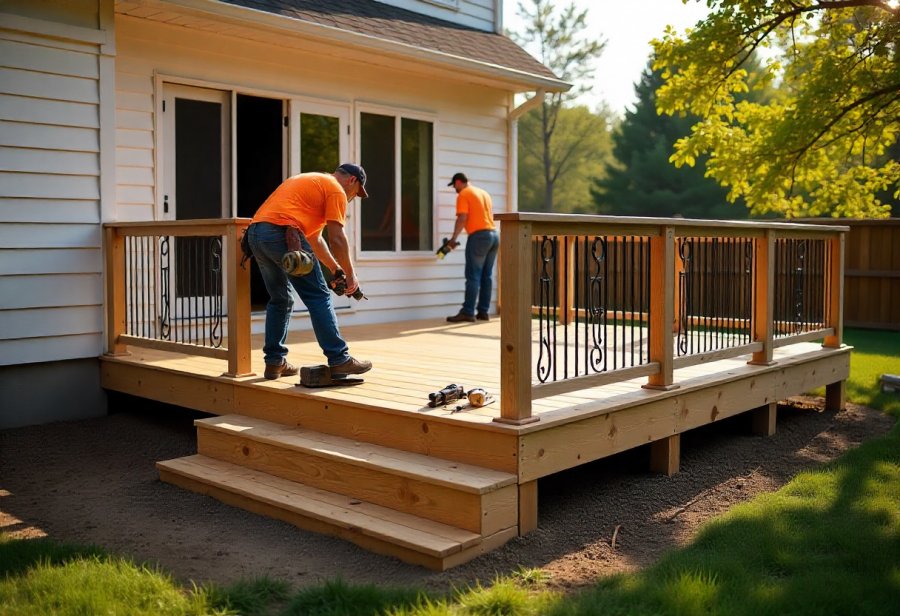




Permeable pavers are revolutionizing urban landscapes by offering an innovative, eco-friendly solution to flooding and stormwater management. Unlike traditional surfaces, these porous materials allow rainwater to naturally seep into the soil, supporting groundwater recharge and filtering pollutants. This not only reduces water pooling and street flooding but also enhances city resilience amid increasingly unpredictable weather patterns. Yet, the promise of permeable pavers is not without challenges—clogging, durability concerns, and higher initial costs can hinder widespread adoption. Can cities harness their full potential to transform urban resilience and environmental health? As innovative materials and smarter installation methods evolve, permeable pavers stand poised to become a cornerstone of sustainable urban planning. Their ability to manage heavy rains, support biodiversity, and cool urban heat islands makes them vital for future-proofing our cities against climate change. Are we ready to embrace this green infrastructure for a safer, greener tomorrow?
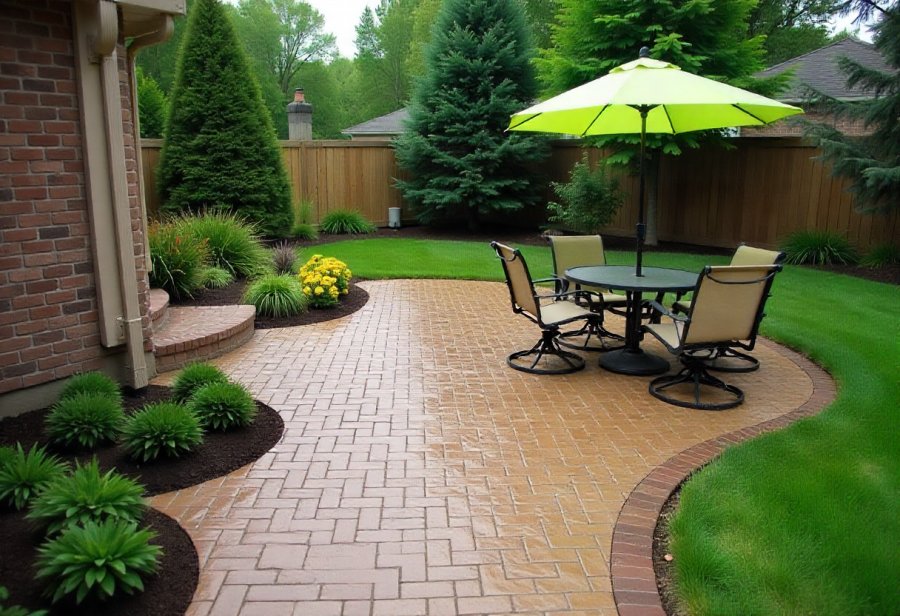
Transforming Urban Landscapes: The Essential Role of Permeable Pavers in Flood Prevention
Permeable pavers are transforming urban landscapes by offering a smart way to manage rainwater and prevent flooding. Unlike traditional concrete or asphalt, which block water from passing through, permeable pavers are designed with porous materials or gaps that allow water to seep into the ground below. Made from materials like porous concrete, permeable asphalt, or interlocking bricks with openings, they mimic natural water flow, helping cities handle heavy rains more effectively.
When it rains, these surfaces act like giant sponges, absorbing water rather than letting it pool on streets and sidewalks. This reduces the risk of water overflowing storm drains and causing street flooding, which can disrupt traffic, damage property, and pose safety hazards. By letting water infiltrate the soil, permeable pavers also support groundwater recharge, an essential process for maintaining local water supplies and ecosystems.
As urban areas continue to expand, the amount of impermeable surface increases, intensifying flood risks. Replacing some of these hard surfaces with permeable pavers offers a practical and sustainable solution. They help manage stormwater naturally, reducing runoff volume and easing the strain on existing drainage systems. This not only prevents flooding but also makes communities more resilient to extreme weather events driven by climate change.
Beyond flood control, permeable pavers contribute to environmental health. As water passes through these surfaces, pollutants like oils, sediments, and chemicals are naturally filtered out before reaching groundwater. This process improves water quality and supports healthier urban ecosystems. Additionally, promoting water infiltration helps cool urban areas, reducing heat island effects and creating more comfortable environments.
The adoption of permeable paving is growing as cities recognize its benefits. From new developments to retrofits of existing streets, these surfaces can be integrated seamlessly into urban planning. They enhance aesthetic appeal while providing functional advantages, making public spaces safer, greener, and more inviting. As awareness spreads, permeable pavers are becoming a key part of sustainable urban infrastructure.
However, implementing permeable pavers isn’t without challenges. Proper installation and maintenance are crucial; regular cleaning prevents clogging, which can diminish water infiltration. Choosing durable materials suited to local conditions extends their lifespan, ensuring they continue to perform effectively over time. Addressing these factors helps maximize their flood mitigation potential.
In essence, permeable pavers offer a forward-thinking approach to urban water management. By allowing rainwater to naturally seep into the ground, they help prevent flooding, support groundwater health, and promote cleaner, greener cities. As climate patterns shift and urban populations grow, embracing this technology becomes vital for creating resilient, sustainable communities that can withstand tomorrow’s storms.
How Permeable Pavers Strengthen Urban Resilience Against Flooding
Permeable pavers are a powerful tool for reducing urban flooding by allowing rainwater to naturally seep into the ground instead of overwhelming stormwater systems. When heavy rains hit, these surfaces act like giant sponges, absorbing water and significantly lowering the volume that would otherwise flood streets and cause backups. This not only keeps urban areas safer but also lessens the frequency and severity of water pooling, which can disrupt traffic and damage property.
In addition to easing flood risks, permeable pavers support the natural recharge of groundwater. Unlike traditional pavement, which repels water and contributes to runoff, these porous surfaces enable rain to filter into the soil, replenishing underground aquifers. This process helps maintain water supplies and naturally filters pollutants such as oils, sediments, and chemicals before they reach deeper water sources, leading to healthier urban ecosystems.
By facilitating water infiltration, permeable pavers reduce the strain on existing stormwater infrastructure. Less runoff means less stress on storm drains and underground pipes during heavy rains, decreasing the chances of system overloads and costly repairs. As a result, neighborhoods become more resilient to sudden storms, and communities experience fewer disruptions, especially as climate change brings more unpredictable and intense rainfall.
Those seeking additional insight may want to read Quincy Garcia‘s article Act Quickly to Use Permeable Pavers and Save Your Property! on Better Bricks Masonry.
Urban sprawl has amplified flood risks, with more green spaces replaced by impermeable surfaces that accelerate runoff. Installing permeable pavers in new developments or retrofitting existing streets offers a practical, sustainable way to manage this growth. They help cities control heavy rains, protect infrastructure, and promote healthier environments, supporting the development of vibrant, resilient neighborhoods.
Beyond flood mitigation, permeable pavers contribute to environmental health by reducing heat island effects and encouraging biodiversity. Their ability to promote water infiltration helps cool urban areas naturally, making cities more comfortable and sustainable. Their aesthetic versatility also allows planners and homeowners to incorporate them into various designs, blending functionality with visual appeal.
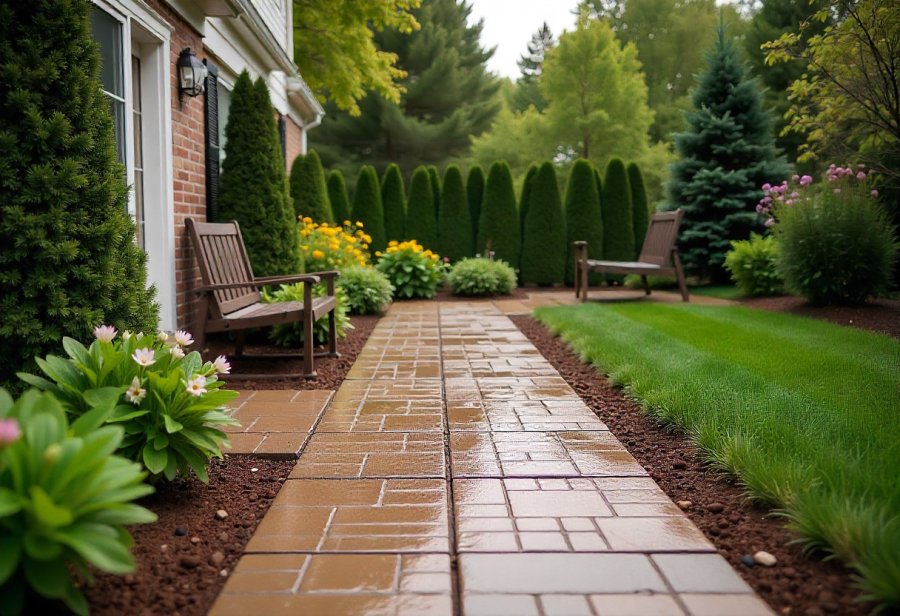
Overcoming Challenges: Limitations and Solutions for Permeable Paver Adoption
While permeable pavers offer clear benefits in reducing urban flooding, they are not without their challenges. One of the most common issues is clogging. Over time, dirt, sediments, and pollutants can settle within the porous materials or gaps, reducing their ability to allow water to pass through. When this happens, the pavers lose their effectiveness, which means regular cleaning and maintenance become essential to keep them functioning properly.
Environmental conditions can also impact their durability. Heavy vehicular traffic or frequent loads can wear down porous surfaces more quickly, leading to cracks or deformation. This not only hampers water infiltration but can also shorten the lifespan of the installation. Selecting the right materials and designing for high-stress zones is crucial, especially in commercial areas where durability is a top priority.
On Astral Connection Gateway, Finn Graham explores this topic in the article Transforming Urban Flood Risks with Permeable Paving Solutions.
Cost remains a barrier for many projects. Compared to traditional asphalt or concrete, permeable pavers often require more complex groundwork, specialized materials, and skilled labor during installation. These factors can drive up initial expenses, making them less appealing in projects with tight budgets. Without proper installation and ongoing maintenance, their performance can suffer, highlighting the importance of working with experienced contractors to ensure long-term benefits.
Another challenge is public perception and unfamiliarity. Many residents, developers, and decision-makers are accustomed to traditional pavements, and convincing them to switch to permeable solutions can be difficult. Concerns about maintenance costs, durability, or aesthetic fit may slow adoption. Educating communities and showcasing successful case studies can help build confidence in these eco-friendly alternatives.
Site-specific factors can further complicate implementation. In colder climates, snow removal and the use of salt or chemicals might clog pores or damage the materials, reducing their effectiveness. Soils that are too permeable or unstable may require additional stabilization measures to support the pavers and maintain infiltration rates. Careful planning and material selection are essential to prevent these issues from undermining the system’s benefits.
Proper installation is vital; mistakes during setup can lead to poor water flow, pooling, or premature failure. Maintenance routines like regular cleaning prevent clogging and ensure continued performance. Addressing these challenges upfront helps maximize the flood mitigation advantages that permeable pavers can offer.
While these limitations are not insurmountable, they underscore the importance of thoughtful planning, material choice, and ongoing upkeep. Recognizing and addressing these hurdles ensures permeable pavers serve as a reliable, long-term solution for managing urban flood risks and supporting sustainable city development.
Designing Resilient Cities: Integrating Permeable Pavers into Urban Planning
Permeable pavers are increasingly being integrated into urban planning as a practical and eco-friendly solution to manage stormwater effectively. They are used in diverse settings such as streets, parking lots, sidewalks, and parks, helping cities develop more resilient and environmentally conscious spaces. Urban planners often incorporate these surfaces into new developments or retrofit existing infrastructure, seamlessly blending functionality with sustainability. This approach not only reduces flood risks but also enhances the visual appeal of public spaces, making them more inviting and environmentally friendly.
In residential neighborhoods, permeable pavers offer a smart way to improve curb appeal while supporting water infiltration. Driveways and walkways made from these materials help prevent pooling and runoff during heavy rains, reducing water damage and maintenance issues. When installed thoughtfully, they transform ordinary yards into functional, eco-friendly areas that contribute to neighborhood resilience, making communities safer and more livable.
Designers are also leveraging permeable pavers to create green corridors and shared public spaces. These areas, often landscaped or recreational zones, benefit from natural stormwater management, encouraging outdoor activities even after storms. This dual function of usability and environmental health fosters a stronger community bond while promoting urban sustainability. The visual versatility of permeable pavers allows them to complement various design styles, blending aesthetics with practical benefits.
In commercial districts, permeable paving plays a vital role in supporting sustainable development. Large parking lots and loading zones can serve as flood mitigation features, alleviating pressure on municipal stormwater systems. These durable surfaces manage significant traffic loads while allowing water to seep through, preventing spillage onto streets or into buildings. This not only improves safety and functionality but also aligns with broader goals of reducing urban heat islands and enhancing cityscapes.
Many cities now include policies that incentivize or require permeable surfaces in new projects. Building codes and planning standards increasingly recognize the importance of green infrastructure, encouraging developers to adopt permeable paving. This shift helps urban areas better handle heavier rainfall and climate-related challenges, laying the groundwork for smarter, climate-resilient cities.
Integrating permeable pavers into urban design reflects a broader movement toward sustainable and adaptable cities. They support flood prevention, groundwater recharge, and water quality improvement—all while contributing to greener, more attractive environments. As awareness and technology advance, permeable paving is poised to become a standard feature in creating cities that are prepared for the storms and growth of the future.
The article Transforming Urban Floods with Eco-Friendly Permeable Pavers by Daphne Douglas on Euler-Mascheroni Constant explores this subject in more detail.
By embedding these surfaces into the fabric of urban development, communities can build resilience against climate change while enhancing the quality of life for their residents. The thoughtful application of permeable pavers not only addresses immediate water management needs but also paves the way for more sustainable, vibrant, and livable urban landscapes.
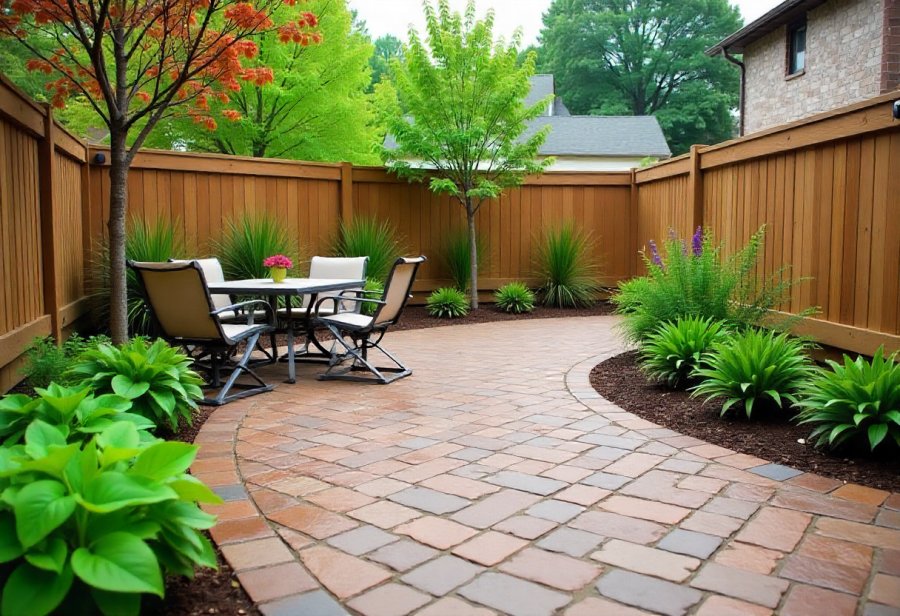
Future Horizons: The Promising Path of Permeable Pavers in Sustainable Water Management
Looking ahead, permeable pavers are poised to become a cornerstone of sustainable urban water management. Their ability to allow rainwater to naturally infiltrate the ground aligns perfectly with the urgent need for smarter, eco-friendly infrastructure solutions. As material science and design techniques continue to evolve, issues like clogging and durability are being addressed, making these surfaces more reliable and easier to maintain over time. Cities around the world are increasingly recognizing the long-term benefits of integrating permeable paving, especially as climate change triggers more frequent and intense storms.
Successful projects in places like Portland and Copenhagen demonstrate that permeable pavers can significantly reduce surface runoff, support groundwater recharge, and improve water quality. These examples highlight their potential not just as flood mitigation tools but as transformative elements that reshape urban landscapes into resilient, environmentally friendly spaces. Innovations such as self-cleaning porous materials and modular installation methods promise to lower costs and simplify upkeep, making widespread adoption more feasible.
Beyond flood prevention, permeable pavers contribute to broader urban sustainability goals. They help cool cities naturally, reduce the heat island effect, and foster biodiversity by creating healthier environments. As communities become more aware of these advantages, policies and incentives are likely to encourage their use in new developments and retrofits alike. This shift supports a future where cities are better equipped to handle the growing challenges of climate change and urban expansion.
However, widespread adoption depends on overcoming certain hurdles. Proper installation, ongoing maintenance, and site-specific planning remain vital. Education and visible success stories are essential to build confidence among stakeholders and residents, fostering acceptance of this innovative approach. As standards and technologies advance, permeable pavers are set to become an integral part of climate-resilient urban planning, transforming how cities manage water and adapt to change.
The future of permeable paving extends well beyond flood control. These surfaces support healthier, greener, and more adaptable urban environments. With continuous innovation and supportive policies, permeable pavers can help cities turn stormwater challenges into opportunities for enhancement—creating communities that are not only resilient but also more vibrant and sustainable.
By embracing these solutions today, cities can lay the groundwork for a future where urban resilience and environmental health go hand in hand. Widespread use of permeable pavers offers a practical, effective way to combat flooding, recharge groundwater, and improve water quality. This shift isn’t just about infrastructure—it’s about designing communities that thrive amid the storms and stresses of tomorrow.