Mastering calm walks with your dog is more than just obedience—it’s a transformative journey that deepens trust and enhances your bond. Imagine strolling together in peaceful harmony, where focus and patience replace pulling and distractions. But how do you turn these ideal moments into reality? This guide reveals the fundamentals of gentle, confident handling, from selecting the right equipment to consistent routines that foster security. Step-by-step training strategies show you how to introduce commands, manage distractions, and build your dog’s self-control gradually. Practical tips highlight how positive reinforcement and a calm demeanor can turn everyday walks into bonding rituals, even amidst challenges like stubbornness or overwhelming stimuli. Though setbacks are inevitable, persistence and patience reveal that every small success is a step toward reliable tranquility. Are you ready to unlock a new level of harmony and turn mundane outings into shared moments of joy and connection?
Build Trust and Deepen Your Connection Through Calm Dog Walking
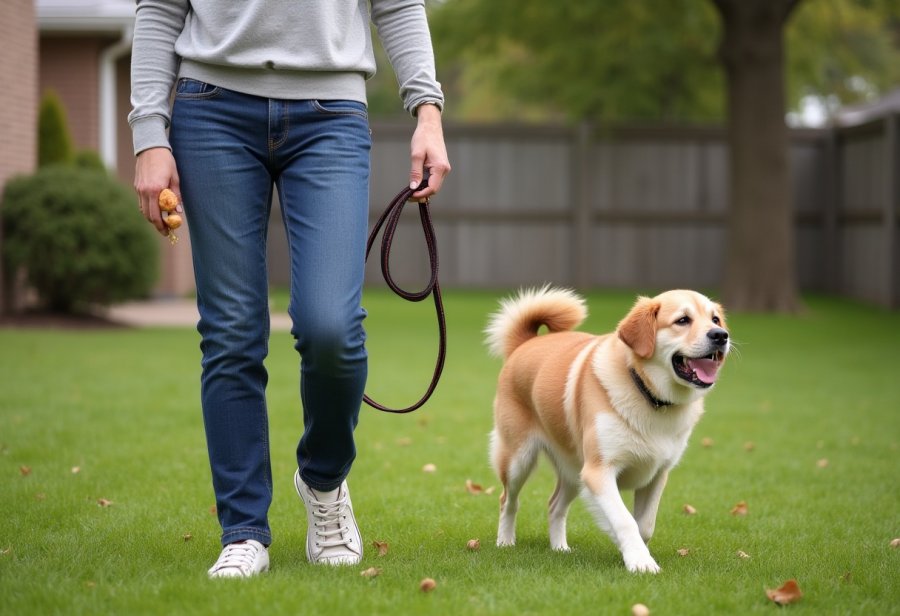
Walking calmly with your dog isn’t just about covering ground; it’s a meaningful way to build trust and deepen your connection. When both of you move together in a relaxed, controlled manner, it creates a peaceful rhythm that makes daily outings more enjoyable and less stressful. This isn’t just about obedience—it’s about communicating patience, consistency, and positive reinforcement. As your dog learns to stay calm and focused, they begin to feel more secure and attentive, turning walks into shared moments of understanding rather than battles over control.
Calm walking also sets the tone for your entire relationship. It teaches your dog that you’re a steady, confident leader who provides safety and guidance. This foundation helps reduce anxiety and reactivity, making future training and socialization easier. When your walks are peaceful, both of you can relax and enjoy the experience, instead of feeling on edge or frustrated. Creating these calm moments doesn’t happen overnight, but with patience and practice, they become natural parts of your routine.
This guide aims to help you develop practical techniques to achieve that calmness during walks. By using positive reinforcement, clear cues, and gentle guidance, you’ll foster an environment where your dog feels motivated to behave calmly. Over time, these routines will become second nature, transforming everyday walks into opportunities for trust-building and mutual respect. A calm walk isn’t just about the moment—it’s about creating habits that last, ensuring your dog associates walks with positive and relaxed experiences.
When your dog learns to stay calm and focused, it benefits their emotional well-being and reduces stress. These peaceful outings help them become more adaptable in various settings, making both your lives easier and more enjoyable. As your bond deepens through these shared moments, walking together becomes a source of joy and connection rather than tension. In the end, mastering calm walking turns routine exercise into a meaningful way to nurture your relationship and enjoy each other’s company to the fullest.
Master Fundamental Principles for Peaceful Outings
A calm and successful dog walk starts with understanding some fundamental principles that lay the groundwork for peaceful outings. Consistency is crucial—using the same commands, routines, and cues helps your dog know what to expect and builds trust. When your instructions are clear and predictable, your dog feels more secure and relaxed, making it easier to stay calm during walks. Positive reinforcement is equally important; rewarding your dog with treats, praise, or gentle petting when they behave calmly encourages them to repeat those behaviors.
Proper equipment plays a vital role. A sturdy leash, a well-fitting collar or harness, and a supply of treats give you better control and make training more effective. Harnesses are especially helpful for dogs that tend to pull, as they distribute pressure evenly and reduce discomfort. Carrying distraction toys and treats allows you to redirect your dog’s attention when needed, making it easier to maintain a peaceful pace. Good gear and preparation create a positive environment that supports calmness and focus.
Core concepts like positive reinforcement, consistent routines, and trust are the backbone of a relaxed walk. When you reward your dog for walking nicely at your side, they associate calm behavior with positive outcomes. Using familiar cues and routines minimizes confusion and helps your dog understand what’s expected, boosting their confidence. Patience is key—dogs learn best when given time and gentle guidance, so short, frequent training sessions are most effective.
Managing distractions gradually is essential. Expose your dog to stimuli like other dogs, sounds, or sights in controlled settings. Reward calm responses and redirect their attention with treats or commands. Over time, your dog will learn to stay composed despite the chaos around them. Remember, setbacks are normal—what matters is your consistency and patience.
Finally, your own calm demeanor influences your dog’s behavior. Dogs pick up on your energy, so maintaining a relaxed, confident attitude helps set a peaceful tone. With these principles in place, you create a solid foundation for calm, enjoyable walks that strengthen your bond and make every outing a positive shared experience.
Follow a Clear, Step-by-Step Training Method
Training your dog to walk calmly on a leash benefits from a clear, step-by-step approach that builds confidence and consistency. Begin by introducing your dog to the equipment—letting them get comfortable with the collar or harness and the leash in a quiet, distraction-free setting. Keep initial sessions short and positive, using treats and praise to reward attentive, relaxed behavior. If your dog pulls or becomes distracted, gently pause and wait until they refocus on you before moving forward. This teaches that calm attention is what gets the walk going again.
As your dog becomes familiar with the basics, gradually extend walk durations and introduce mild distractions. Practice essential commands like “heel,” “sit,” and “stay,” rewarding compliance immediately to reinforce good behavior. When pulling ahead or lagging behind, calmly stop and redirect their focus with treats or gentle cues. Consistency with cues and routines helps your dog understand what’s expected, reducing confusion and resistance over time.
Maintain a confident, steady tone throughout training. Dogs respond well to routine, so sticking to familiar commands and environments makes learning easier. As your dog gains confidence, challenge them with busier settings or new stimuli, always rewarding calmness and focus. Patience is key—progress may be slow, but small, frequent successes build a solid foundation for reliable, calm walking.
Incorporate focus exercises like “watch me” to strengthen attention and self-control. Use treats or toys to keep your dog engaged and prevent them from fixating on distractions. Short, positive training sessions help your dog process new behaviors without feeling overwhelmed, making calm walking a natural habit. Remember, setbacks are normal—what matters is your persistence and gentle guidance.
Managing common issues like pulling or lunging involves redirection and patience. When your dog pulls, stop and wait until they return to your side. For lunging, gradually expose your dog to triggers in controlled environments, rewarding calm reactions. This teaches your dog to self-regulate and stay relaxed despite distractions. Consistent practice and a calm, confident attitude will turn these challenges into opportunities for growth.
Training is an ongoing process. Dogs learn at different paces, and setbacks happen. Keep cues and routines consistent, celebrate small wins, and remain patient. Over time, your dog will develop the self-control and focus needed for peaceful, enjoyable walks. This structured approach not only improves behavior but also deepens your bond, transforming daily outings into shared moments of trust and connection.
Apply Practical Tips for Enjoyable, Calm Walks
Walking calmly with your dog in everyday life involves applying straightforward techniques that make each walk more enjoyable for both of you. Start by choosing familiar, quiet routes where your dog can focus without becoming overwhelmed by too many distractions. Keep treats handy to reward calm behavior and use consistent cues like “walk” or “heel” to set clear expectations. When your dog pulls or gets distracted, pause briefly until they regain your attention, then reward their focus before moving forward. This approach reinforces that staying attentive and relaxed leads to progress, making walks smoother and more peaceful.
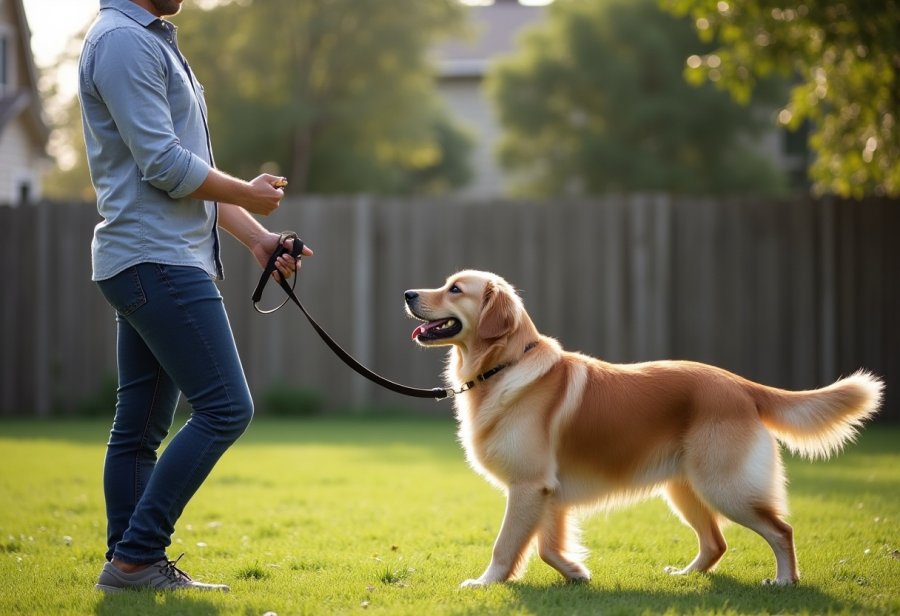
Controlling your handling style also makes a big difference. Use a gentle, steady grip on the leash—avoid jerking or pulling, which can create tension and increase your dog’s anxiety. Instead, keep the leash loose and guide your dog calmly, praising or treating them when they stay relaxed at your side. Over time, this consistency helps your dog understand that calmness and focus are the keys to enjoyable walks, reinforcing good habits naturally.
Incorporating short training exercises during your outings can boost calmness. Practice commands like “sit,” “stay,” or “leave it” in quick bursts, rewarding compliance immediately. When distractions appear, such as other dogs or loud noises, redirect your dog’s attention with treats or commands, helping them develop self-control amid chaos. Remember to stay patient—training takes time, and setbacks are part of the process. Celebrating small successes keeps both of you motivated and positive.
Making walks predictable and structured also supports calm behavior. Stick to familiar routes and routines so your dog knows what to expect, reducing anxiety and encouraging confidence. As your dog becomes more comfortable, gradually introduce busier environments or more stimuli, always rewarding calm responses. Your relaxed attitude will set a calming tone, encouraging your dog to mirror your composure and making every walk a shared moment of trust.
Pay attention to your own energy. Dogs are highly perceptive and tend to pick up on your mood. Maintaining a calm, confident demeanor helps set a peaceful tone and keeps your dog relaxed. Your patience, positivity, and consistency are the foundation of successful, enjoyable walks. By applying these practical tips regularly, your outings become more than exercise—they turn into bonding moments that strengthen your relationship and foster mutual trust.
Invest Wisely in Equipment and Training for Lasting Results
Training a dog to walk calmly often involves some initial investments, but understanding which tools and resources make the biggest difference can help you budget wisely. Basic equipment like a sturdy leash, a well-fitting collar or harness, and treats are affordable and readily available. These essentials create a solid foundation for training and help make the process smoother for both you and your dog. Choosing a quality harness, especially if your dog tends to pull, might cost a bit more upfront, but it offers better control and comfort, turning walks into more enjoyable experiences.
Beyond gear, professional training classes are a worthwhile investment. Group sessions tend to be more budget-friendly and also provide valuable socialization for your dog. Costs vary by location and duration, typically ranging from $100 to $200 for a series of lessons. These classes offer expert guidance, keep you consistent, and can speed up your progress. Alternatively, online courses and training books are cost-effective options that let you learn at your own pace for less than $50.
Adding treats and distraction toys during walks doesn’t significantly increase expenses but can greatly improve your dog’s focus and calmness. Over time, investing in good-quality gear and training helps prevent behavioral issues that might otherwise require costly corrections later. Think of these expenses as an investment in your dog’s happiness and your peace of mind, paving the way for more relaxed, successful walks.
While upfront costs might seem notable, they often pay off through a better-behaved, more confident dog. Proper training tools and guidance reduce the likelihood of behavioral problems, which can be costly to fix. Consistent practice and the right equipment turn training from a financial outlay into a long-term benefit—fostering a stronger bond and making daily walks more peaceful and fulfilling for both of you.
Implement a Systematic Approach to Training Success
Implementing a calm walking routine with your dog requires a steady, deliberate approach. Start by defining clear, achievable goals, whether it’s maintaining focus for a certain distance or reducing pulling. Having specific targets keeps you motivated and helps measure progress. Consistency across routines, routes, and cues is crucial—dogs thrive on predictability, which reduces anxiety and makes training less confusing. Prepare all your equipment beforehand, ensuring your leash, harness, and treats are within reach to keep sessions smooth and focused.
Begin each walk with a brief warm-up that encourages your dog to settle into a calm mindset. During the outing, stay attentive to your dog’s behavior, rewarding immediate calm responses with treats or praise. When they pull ahead or become distracted, calmly halt and wait until they focus again. Redirect their attention with a command or treat, reinforcing that staying attentive and relaxed is what moves the walk forward. This pause teaches patience and self-control, building trust and encouraging your dog to remain calm.
Tracking your progress helps maintain motivation and highlights effective strategies. Keep simple notes on how your dog responds in different environments, adjusting your approach as needed. If your dog becomes overwhelmed, simplify the environment and gradually reintroduce stimuli to boost confidence. Celebrate small successes—each one reinforces that calm, focused walking is achievable. This ongoing process fosters a sense of accomplishment for both of you, strengthening your bond.
Patience and persistence are key. Dogs learn at their own pace, and setbacks are natural. When challenges arise, revisit basic routines and reinforce foundational behaviors. Use consistent cues and routines to minimize confusion and build trust. Over time, these small, deliberate steps will solidify a peaceful walking habit, turning everyday outings into opportunities for mutual understanding. Stay positive and committed—your steady effort will pay off in calmer, more enjoyable walks that deepen your connection.
Overcome Common Challenges with Confidence and Patience
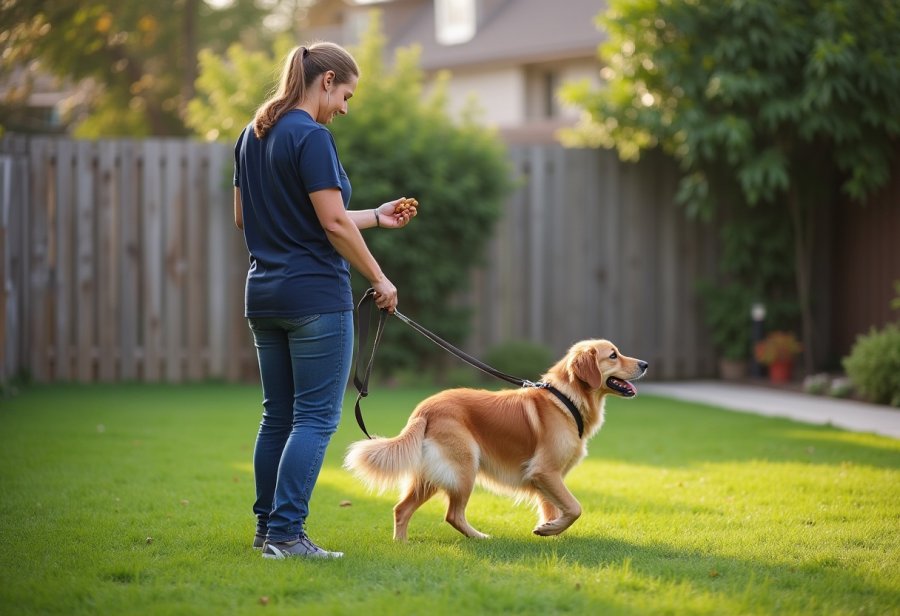
Challenges like distractions, stubbornness, or inconsistent behavior are common hurdles when aiming for calm dog walking, but they can be managed with patience and a clear plan. When your dog gets distracted by other animals, sounds, or sights, gradually expose them to these stimuli in controlled environments. Reward their focus and calmness whenever they resist the urge to pull or lunge, reinforcing that staying attentive pays off. If your dog shows stubbornness by ignoring commands or resisting routines, it’s a sign to reinforce consistency and reassurance. Repeating basic cues like “heel” or “sit,” and rewarding compliance builds understanding and trust over time.
Consistency remains crucial—using the same cues, routines, and expectations helps your dog understand what’s required and reduces confusion. When progress stalls, it’s often because training isn’t being reinforced regularly or because environments change too quickly. Returning to simpler settings, reinforcing foundational behaviors, and giving your dog time to rebuild confidence turn setbacks into learning opportunities. Patience is key; setbacks are normal and part of growth.
Managing distractions like other dogs or loud noises involves a calm, steady approach. Gradually introduce your dog to these triggers in controlled settings, rewarding calm reactions and redirecting their attention with treats or commands. This teaches your dog to self-regulate and stay relaxed despite the chaos around them. If pulling or lunging persists, stopping and waiting until they focus again shows that calm attention leads to progress, reinforcing good habits.
Setbacks shouldn’t discourage you. Instead, view them as chances to reinforce patience and consistency. Celebrating small wins helps build your dog’s confidence and shows them that calm, focused walks are achievable. Using tools like well-fitted harnesses or clickers can support redirection efforts, but your calm attitude remains the most powerful tool for lasting progress.
Every dog learns at their own pace, and persistence pays off. With steady effort, your dog will develop better self-control and focus, even in challenging environments. Overcoming these obstacles requires gentle guidance and a positive mindset, transforming setbacks into stepping stones. As you stay committed, the day will come when calmness and attentiveness become second nature, turning walks into peaceful, bonding experiences rather than stressful routines.