




In an era where communication is the backbone of business success, custom telephony solutions emerge as game-changers—are you harnessing their full potential? This preview reveals how tailored systems, powered by innovative devices like Grandstream’s IP phones, can elevate workflow efficiency, remote collaboration, and customer satisfaction. From cloud-managed setups that scale effortlessly to high-definition devices offering crystal-clear conversations, the right telephony infrastructure transforms everyday interactions into strategic assets. Yet, the journey isn’t without challenges—balancing costs, ensuring security, and seamless deployment remain critical considerations. Could investing in a future-proof, customized system be the competitive edge your organization needs? Dive into how industry standards, advanced features, and real-world success stories demonstrate that the right communication tools do more than connect—they empower, inspire, and drive long-term growth in today’s dynamic digital landscape.
Unlocking the Power of Customized Telephony Solutions for Modern Business Success
In today’s fast-moving business landscape, clear and reliable communication isn’t just a convenience—it’s a necessity. Companies need systems that not only connect teams but also adapt to their unique workflows and growth trajectories. That’s where customized telephony solutions come in. Rather than relying on off-the-shelf setups, organizations are increasingly turning to tailored systems designed specifically for their operational needs.
These personalized communication networks go beyond basic calling. They integrate advanced features like intelligent call routing, voicemail management, video conferencing, and device control, all within a unified platform. This level of customization ensures that every element of communication supports efficiency, productivity, and responsiveness. It’s about making technology serve your business, not the other way around.
Advancements in digital and cloud technology have made building these bespoke solutions more accessible than ever. Organizations can now deploy flexible, scalable systems that grow alongside them, without the heavy costs traditionally associated with infrastructure upgrades. This shift enables businesses to stay agile and competitive, even as their communication needs evolve rapidly.
The rise of remote work has further amplified the importance of customized telephony. Employees can stay connected from anywhere, using devices optimized for their roles, whether at home, in the office, or on the move. These tailored systems support mobility and collaboration, ensuring that geographic distance doesn’t hinder productivity or customer service quality.
Choosing a bespoke telephony setup is a strategic move. It allows companies to address specific workflow challenges, improve internal and external communication, and deliver a seamless experience to clients. With solutions like Grandstream’s innovative devices, organizations can craft a communication process that’s both efficient and future-proof, positioning themselves for sustained success in a connected world.
Mastering Telephony Fundamentals: Devices, Components, and System Essentials
Telephony solutions form the backbone of modern business communication, blending a range of devices and system components that work together seamlessly. At the core are traditional landline phones and digital or IP-based phones that transmit voice over the internet, offering richer features and greater flexibility than ever before. Selecting the right hardware depends on your organization’s specific needs, whether it’s simple desk phones or advanced models supporting multiple lines and high-definition audio. Understanding these options helps ensure your system aligns with operational demands and future growth.
Key system components such as PBX servers and gateways are essential for managing call routing and network connections. A PBX, whether physical or cloud-based, acts as the traffic controller, directing calls within your organization and to external networks. Gateways bridge traditional phone lines with digital systems, enabling smooth integration of legacy equipment with modern platforms. Today’s shift toward cloud-managed telephony simplifies deployment, remote configuration, and ongoing maintenance, reducing reliance on on-site hardware and enabling scalable expansion.
The evolution from analog landlines to digital systems and now to internet-based platforms reflects a shift toward more adaptable and feature-rich solutions. Analog phones provided reliable voice communication but lacked flexibility. Digital systems introduced features like call forwarding and voicemail, while VoIP moved communication entirely onto the internet, reducing costs and expanding capabilities. Cloud solutions now enable organizations to manage their telephony remotely, with regular updates and troubleshooting handled via the cloud, making systems more resilient and easier to maintain.
Organizations face different options, including on-premises hardware, cloud-based platforms, or hybrid models. On-premises setups offer full control but require significant upfront investment and ongoing maintenance. Cloud-based solutions supported by providers like Grandstream offer flexibility, lower initial costs, and easy scalability. Hybrid models combine the best of both worlds, keeping sensitive data local while leveraging cloud benefits. Choosing the right approach depends on your size, budget, and growth plans.
Adhering to industry standards and best practices ensures your telephony system remains reliable, secure, and efficient. Protocols like SIP enable interoperability among diverse devices, while Quality of Service (QoS) prioritizes voice traffic to maintain clarity during busy periods. Security protocols such as SRTP and TLS protect conversations from cyber threats. Aligning your system with these standards guarantees optimal performance and prepares it for future upgrades, building a resilient infrastructure ready to evolve with your needs.
Selecting and implementing a telephony solution involves understanding these fundamentals to create a system that is both robust and adaptable. By focusing on scalable hardware options, embracing cloud management, and maintaining compliance with industry standards, organizations can build a communication network that supports growth, enhances productivity, and offers a seamless experience across all touchpoints.

Transforming Business Communication: Navigating Today’s Connectivity Challenges and Opportunities
Today’s business landscape demands communication systems that are not only reliable but also flexible and deeply integrated into daily operations. Companies across all sectors are shifting away from traditional landlines toward advanced telephony solutions that support remote work, multi-location teams, and real-time collaboration. These modern platforms enable seamless connectivity, whether employees are at their desks, working from home, or on the move, making business interactions more efficient and responsive.
Legacy systems often struggle to keep pace with the speed and complexity of digital business. Issues like poor call quality, limited features, and difficulty managing multiple sites hinder productivity. Cloud-managed telephony addresses these challenges by providing remote configuration, monitoring, and updates, reducing downtime and operational costs. This transition not only streamlines workflows but also enhances the overall user experience, empowering teams to communicate effortlessly.
As reliance on internet-based communication grows, network stability and security become critical. Organizations must ensure their infrastructure can handle increased traffic while safeguarding conversations from cyber threats. Proper planning, strong security protocols, and vendor support are essential to prevent disruptions during deployment and ongoing use. A well-designed system adapts quickly to changing needs, supporting organizational agility and growth.
The value of customized telephony features continues to rise. Smart call routing, personalized voicemail, and device management turn communication tools into strategic assets. These tailored solutions improve response times, elevate customer satisfaction, and boost internal efficiency. The integration of AI and automation—like virtual assistants and voice recognition—further streamlines interactions, giving organizations a competitive edge in delivering faster, smarter service.
Finally, deploying versatile devices such as Grandstream’s IP phones plays a vital role in this evolution. Their high-definition audio, multi-line support, and cloud management capabilities ensure consistent, high-quality communication across locations. As technology advances, organizations that prioritize these sophisticated, adaptable systems position themselves for long-term success in an increasingly connected world.
Smart Budgeting for Telephony: Cost Strategies and Investment Value
Investing in a new telephony system involves weighing both upfront costs and the long-term benefits it can deliver. Hardware expenses, such as IP phones, routers, and switches, vary depending on the size of the deployment and the features required. Smaller setups may find these costs manageable, while larger organizations should anticipate a more significant initial investment. Cloud-based platforms often operate on subscription models, offering predictable expenses that can be easier to incorporate into budgets over time.
Beyond hardware, installation and configuration costs play a crucial role. Setting up a tailored telephony infrastructure—especially with advanced features like call routing, auto-attendants, or device management—may require professional support. This upfront support ensures seamless integration with existing networks and minimizes operational disruptions during rollout. While these expenses may seem high initially, they translate into savings later through improved workflows and fewer communication errors.
Modern solutions like Grandstream’s cloud-managed platforms provide flexibility that can offset these costs. Adding new users or features becomes straightforward, avoiding heavy hardware upgrades and large capital expenditures. Remote management tools also reduce ongoing maintenance costs, as updates and troubleshooting are handled via the cloud, freeing up internal resources and reducing downtime.
When evaluating expenses, consider the value derived from features like intelligent call routing, CRM integration, and personalized voicemail. These capabilities boost customer satisfaction, speed response times, and streamline operations, often leading to increased revenue. In this context, investing in a tailored system becomes a strategic move that supports growth and enhances competitive edge.
Matching the system’s costs with your organization’s growth trajectory is essential. Cloud solutions offer scalability that adapts to changing demands without hefty upgrades, ensuring your investment remains relevant. This approach not only protects your initial outlay but also future-proofs your communication infrastructure against evolving needs.
Ultimately, choosing a telephony solution balances affordability with the potential for measurable gains. Devices like Grandstream’s offerings enable companies to build a resilient, efficient communication network within a manageable budget. This strategic investment enhances productivity, supports seamless collaboration, and positions your business for sustained success in today’s digital economy.
Real-World Impact: How Customized Telephony Elevates Business Performance
Implementing customized telephony solutions can dramatically transform daily business operations, making communication smoother and more responsive. Companies that tailor their systems often see immediate improvements in workflow, thanks to features like intelligent call routing, personalized voicemail, and straightforward device management. For instance, a retail chain that adopted Grandstream IP phones experienced a noticeable drop in call handling times, which directly enhanced customer service and boosted satisfaction levels.
Employees benefit from more reliable, high-quality calls that reduce misunderstandings and frustration. When communication tools are aligned with specific roles—such as sales teams with quick access to contacts or support staff managing multiple queues—they work with greater efficiency and confidence. This not only saves time but also lifts morale, as staff feel supported by technology that adapts to their needs and makes their work easier.
Real-world examples highlight these benefits vividly. A healthcare provider reconfigured its communication system with Grandstream devices, resulting in faster patient responses and fewer missed calls. Similarly, a multi-location retailer upgraded to a cloud-managed platform, enabling staff to share updates instantly across stores. These changes led to quicker responses, better customer experiences, and a more cohesive team effort, demonstrating how tailored systems directly impact operational effectiveness.
Deployment challenges can occur, especially if existing infrastructure isn’t fully compatible or if staff need training on new features. A careful, phased approach and vendor support help minimize disruptions. When executed properly, the transition feels seamless, and the benefits become evident quickly—improving day-to-day activities and long-term performance alike.
The return on investment extends beyond immediate efficiency gains. Improved communication fosters higher customer satisfaction, increases sales, and enhances team coordination. These systems don’t just connect people—they empower teams, elevate service quality, and give organizations a competitive edge. In today’s digital landscape, a well-designed telephony setup isn’t just a utility; it’s a strategic asset that drives growth and innovation.

Deep Dive Into Grandstream Devices: Features, Benefits, and Configurations
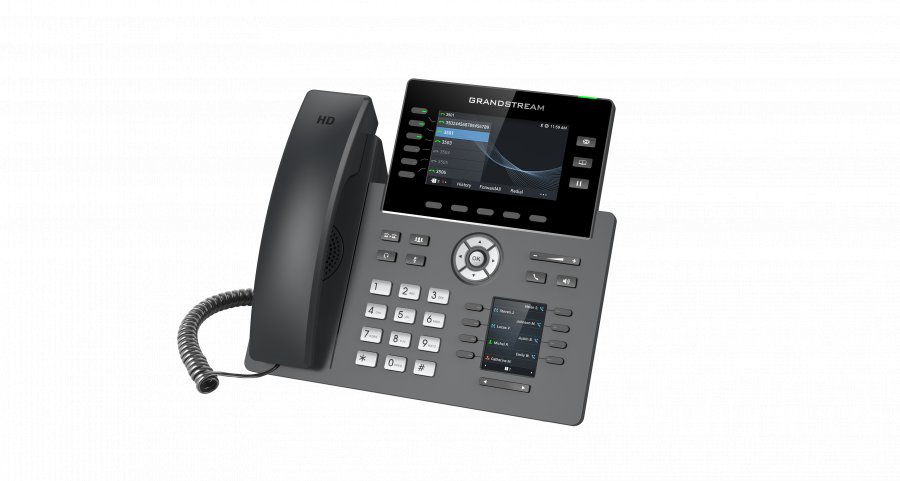
Grandstream’s telephony devices are renowned for blending advanced features with reliability and user-friendly design, making them a top choice for organizations aiming to upgrade their communication systems. From small offices to large enterprises, their IP phones support high-definition audio, multiple lines, and customizable interfaces that ensure clear, professional conversations across all levels. Managing these devices remotely through cloud platforms like GDMS simplifies deployment and maintenance, especially in dispersed or multi-location setups.
One of the standout qualities of Grandstream’s lineup is its scalability. The range of models caters to diverse organizational needs—from sleek, single-line phones perfect for individual desks to high-capacity devices designed for busy call centers. This flexibility allows businesses to expand their systems smoothly, adding new devices or features without disrupting existing workflows. Features like built-in Wi-Fi, Bluetooth, and programmable keys further support tailored communication experiences, helping teams work more efficiently.
For organizations with large-scale deployments, the ease of setup and management on Grandstream devices is a significant advantage. Their plug-and-play functionality and centralized configuration through GDMS mean IT teams can configure, monitor, and troubleshoot hundreds or thousands of phones remotely. This reduces operational overhead and ensures consistent performance, which is crucial for maintaining high-quality communication in busy environments. Support for Quality of Service (QoS) settings also prioritizes voice traffic, minimizing latency and jitter during peak network usage.
Security is integral to Grandstream’s devices. They support industry-standard protocols like SRTP and TLS, safeguarding conversations from cyber threats and ensuring confidentiality. Regular firmware updates deliver new features and security patches, keeping the devices resilient against emerging vulnerabilities. This focus on security and ongoing support helps organizations maintain a robust, future-proof telephony infrastructure.
The level of customization available on Grandstream phones enhances workflows significantly. Programmable keys, intuitive interfaces, and integration options with CRM systems allow users to access key functions quickly, reducing call handling times and improving customer interactions. These devices become more than just communication tools—they become integral parts of a digital ecosystem that supports operational agility and efficiency.
Looking ahead, Grandstream’s commitment to future-proofing their products ensures organizations can rely on their devices as technology advances. They support the latest industry standards and are designed for seamless integration with new platforms and features, including AI-driven capabilities. Whether scaling up or upgrading existing systems, investing in Grandstream’s solutions means building a resilient, adaptable telephony infrastructure aligned with long-term business goals.