




Beneath Hollywood’s glamorous image lies the true story of Cleopatra VII—a brilliant, strategic leader whose influence was rooted in intellect, diplomacy, and resilience. Was her legacy more about her extraordinary mind than her beauty? As the last pharaoh of Egypt, Cleopatra mastered languages, fostered cultural exchange, and navigated complex geopolitics to defend her kingdom’s independence. Her alliances with Julius Caesar and Mark Antony were calculated moves, demonstrating her mastery of diplomacy rather than mere romance. She patronized Alexandria’s famed Library, blending scholarship with power, and used symbolism and cultural savvy to reinforce her authority in a male-dominated world. Her story challenges stereotypes, revealing a woman whose leadership thrived on knowledge, adaptability, and long-term vision. Could her enduring influence be a testament to the power of wisdom and strategic thinking? Cleopatra’s legacy reminds us that true strength lies in resilience, intelligence, and the ability to reinvent oneself amid tumult and change.
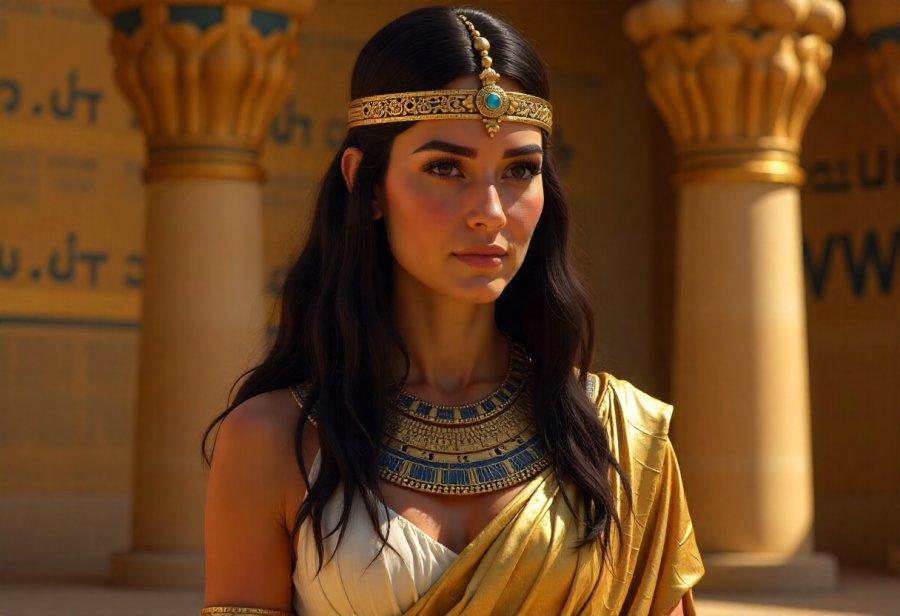
Beyond Hollywood: Unveiling Cleopatra’s Complex Legacy
Cleopatra VII is often remembered through Hollywood’s lens as a seductive and glamorous queen, but her true legacy is far more complex and impressive. She was the last active ruler of Egypt’s Ptolemaic dynasty, a woman whose power was rooted in her sharp mind, diplomatic finesse, and strategic vision. Far from a mere beauty or romantic icon, Cleopatra was a formidable politician who understood the nuances of governance and international diplomacy. Her ability to navigate the turbulent political landscape of the ancient world made her a standout figure in history.
Her leadership was characterized by her mastery of languages, her scholarly pursuits, and her keen understanding of power dynamics. Cleopatra was multilingual and highly educated, fluent in Greek, Egyptian, and likely Latin, which allowed her to communicate directly with foreign diplomats and allies. These linguistic skills gave her an edge in negotiations, enabling her to read cultural nuances and build authentic relationships. She patronized Alexandria’s renowned Library and promoted learning and cultural exchange, showing her belief that knowledge was essential for effective leadership.
Her rise to power was no accident. Following her father’s death, she faced immediate threats to her legitimacy, including her younger brother Ptolemy XIII, who was declared co-ruler. Recognizing the importance of alliances, Cleopatra used her diplomatic skills to secure her position. Her alliance with Julius Caesar was a turning point, helping her regain her throne and maintain Egypt’s independence amid external pressures. Later, her partnership with Mark Antony further demonstrated her ability to forge strategic relationships that served her kingdom’s interests.
Throughout her reign, Cleopatra showed extraordinary political acumen. She balanced internal factions, managed external threats from Rome, and used symbolism and cultural diplomacy to reinforce her authority. Her alliances with Rome’s most powerful figures weren’t just personal; they were calculated moves to preserve Egypt’s sovereignty. Cleopatra’s leadership combined intelligence, diplomacy, and cultural savvy—traits that helped her adapt and thrive in a male-dominated world.
By exploring her true achievements—her intellect, diplomatic finesse, and strategic leadership—we see Cleopatra as a pioneering figure who defied stereotypes. She was more than a romantic icon; she was a woman who wielded influence through resilience, knowledge, and her ability to adapt. Her story reminds us that leadership, especially under pressure, depends on resilience and strategic thinking, qualities that continue to inspire today.
Mastermind of Power: Cleopatra’s Rise in a Tumultuous Egypt
Cleopatra VII was born into the Macedonian Greek Ptolemaic dynasty that took control of Egypt after Alexander the Great’s empire fragmented. Her ancestors, Macedonian generals, settled in Egypt, blending Greek traditions with native Egyptian culture to create a ruling class that was both Hellenistic and Egyptian at its core. From a young age, Cleopatra was immersed in politics, arts, and scholarship, which prepared her for the leadership role she would eventually assume. Her education was rigorous, covering languages, sciences, and political strategy, shaping her into a highly intelligent and capable ruler.
When her father, Ptolemy XII, died, Egypt’s political landscape grew increasingly unstable. Her succession was challenged by her younger brother, Ptolemy XIII, who was declared co-ruler while still a child. Recognizing the fragility of her position, Cleopatra moved swiftly to consolidate power. She formed alliances with regional nobles and used her diplomatic skills to strengthen her authority. Her early years in power were marked by internal court rivalries and external pressures from Rome’s expanding influence, forcing her to navigate carefully and adapt quickly.
Her rise was not merely about inheritance; it was a calculated effort to secure her throne amid dangerous circumstances. Her intelligence became evident when she allied with Julius Caesar, offering her support in exchange for military aid to reclaim her throne. This alliance proved decisive, enabling her to oust her rivals and reaffirm her authority. Her ability to navigate these relationships demonstrated her sharp political instincts and her grasp of the wider geopolitical landscape, increasingly dominated by Rome’s rising power.
Egypt’s political scene during her reign was characterized by constant threats and shifting loyalties. Internal factions vied for influence, while external forces sought control over Egypt’s wealth and strategic position. Cleopatra balanced these pressures by cultivating alliances and using cultural diplomacy to project strength. Her relationships with Rome’s most influential figures, like Julius Caesar and Mark Antony, weren’t just personal—these were strategic moves designed to preserve Egypt’s independence and her rule.
Throughout her leadership, Cleopatra displayed mastery in diplomacy and adaptation. She understood that power depended as much on negotiation and symbolism as on military might. Whether through public displays of Egyptian tradition or her alliances with Rome, she used cultural and political symbolism to reinforce her legitimacy. Her ability to think several steps ahead allowed her to turn threats into opportunities and maintain her kingdom’s sovereignty, despite mounting external challenges.
Her mastery in navigating a turbulent political landscape, her strategic alliances, and her cultural savvy made her a ruler whose influence extended far beyond her time. Cleopatra’s rise from a Macedonian princess to a formidable leader underscores her exceptional ability to adapt, negotiate, and lead—traits that continue to resonate as lessons in resilience and strategic thinking today.
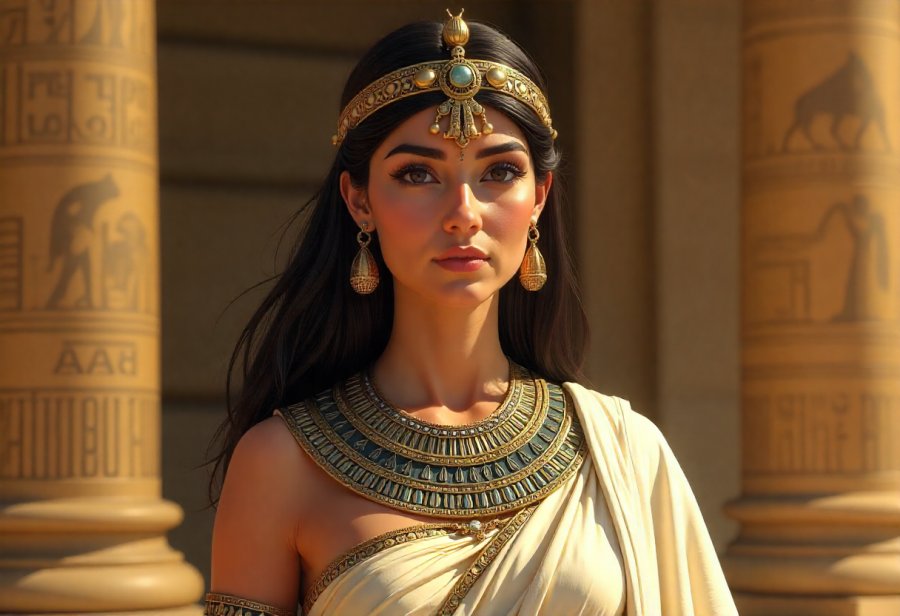
The Scholar-Queen: Cleopatra’s Intellectual and Diplomatic Triumphs
Cleopatra’s leadership was rooted in her remarkable intellect, diplomatic finesse, and strategic vision—traits that made her a true master of power in a turbulent world. Fluent in Greek, Egyptian, and likely Latin, she used her multilingual skills to communicate directly with foreign diplomats and understand cultural nuances, giving her a significant edge in negotiations. Her deep knowledge of Egyptian traditions, combined with her Hellenistic education, allowed her to blend cultural wisdom with political strategy, reinforcing her legitimacy as both a scholar and a ruler.
Her diplomatic abilities set her apart even among seasoned statesmen. Cleopatra cultivated personal relationships with influential Roman figures like Julius Caesar and Mark Antony, transforming alliances into long-lasting partnerships. She knew how to read her rivals, leveraging cultural symbolism and strategic gestures to project strength and stability. Whether through marriage alliances or diplomatic gestures, her approach was always calculated to serve Egypt’s long-term interests.
Beyond politics, Cleopatra was a passionate supporter of scholarship and the arts. She patronized Alexandria’s famed Library, fostering an environment of scientific inquiry and intellectual exchange. Her personal dedication to learning was evident in her mastery of sciences and her encouragement of scholarly pursuits. She understood that knowledge was a vital tool for leadership, helping her adapt to changing circumstances and maintain her influence.
Her leadership style was characterized by agility and foresight. Cleopatra recognized that power depended as much on negotiation and symbolism as on military might. She used cultural and political symbolism—like Egyptian traditions and her relationships with Rome’s top figures—to reinforce her authority. Her ability to think several steps ahead allowed her to turn threats into opportunities, ensuring her long-term sovereignty despite external pressures.
Throughout her reign, Cleopatra demonstrated resilience and adaptability. She was quick to reinvent her strategies, using cultural diplomacy and political acumen to stay ahead of her enemies. Her skillful use of symbolism and alliance-building helped her sustain her influence in a male-dominated world, proving that leadership rooted in intelligence and strategic thinking could defy expectations and obstacles alike.
Her legacy of strategic leadership and cultural savvy remains relevant today. Cleopatra’s ability to navigate complex political landscapes through diplomacy, knowledge, and symbolism offers timeless lessons. She showed that influence is built on relationships, understanding, and long-term vision—not just force or superficial charm.
By combining her intellectual pursuits with shrewd political moves, Cleopatra elevated Egypt’s status and secured her legacy as a ruler who valued wisdom as much as power. Her mastery of both the mind and the moment allowed her to adapt swiftly and lead effectively, even in the face of daunting external threats.
Ultimately, Cleopatra’s example underscores the importance of mental agility, cultural literacy, and strategic foresight in leadership. Her ability to blend scholarship with diplomacy made her a formidable figure whose influence has endured for centuries, reminding us that true power lies in the combination of knowledge, resilience, and adaptability.
Timeless Influence: Lessons from Cleopatra’s Leadership
Cleopatra’s leadership continues to resonate today, offering timeless lessons on influence, resilience, and strategic thinking. Her ability to forge alliances, manage internal factions, and adapt swiftly to shifting circumstances demonstrates that intelligence and diplomacy often outweigh brute force. Modern leaders in politics, business, or social movements can draw inspiration from her skill in building trust and credibility through cultural understanding and relationship-building. Her mastery of language and symbolism shows that influence is rooted in authentic connection and long-term vision, not superficial charm or force.
Her story challenges the stereotype that power depends solely on external appearances or superficial allure. Instead, Cleopatra exemplifies how resilience, knowledge, and cultural literacy serve as powerful tools for lasting influence. Her capacity to reinvent strategies and turn threats into opportunities highlights the importance of mental agility and adaptability. By using symbolism and cultural diplomacy, she reinforced her legitimacy even amid external threats, proving that subtlety and long-term planning can be more effective than short-term displays of strength.
As a female ruler navigating a male-dominated world, Cleopatra’s example remains especially inspiring. She demonstrated that leadership rooted in wisdom, strategic insight, and emotional intelligence can challenge stereotypes and reshape perceptions. Her ability to manage complex geopolitical relationships through diplomacy and cultural savvy underscores that influence hinges on understanding people, cultures, and long-term interests—traits as vital today as they were in antiquity.
Her patronage of Alexandria’s famed Library and her dedication to learning underline the importance of continuous education and cultural literacy. Cleopatra knew that knowledge wasn’t just power; it was a strategic asset that could elevate her influence and help her adapt to changing times. By fostering innovation and curiosity, she created an environment where ideas and cultural exchange thrived, reinforcing her legacy as a leader who valued wisdom as much as strength.
Her resilience and strategic mindset kept her in power despite mounting external and internal pressures. Her ability to adapt tactics, use symbolism, and forge meaningful alliances exemplifies how influence depends on mental agility and cultural savvy. Cleopatra’s leadership offers a blueprint for enduring influence—grounded in resilience, adaptability, and a keen understanding of human nature. Her legacy endures as a testament to the power of the mind and spirit in leadership, inspiring generations beyond her own.
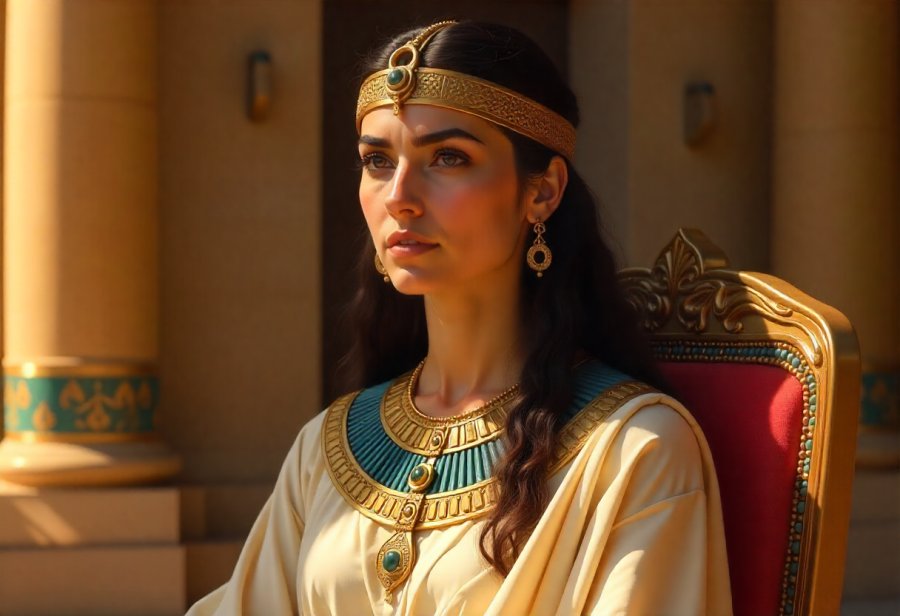
Redefining Myth: Reassessing Cleopatra’s True Power and Enduring Legacy
Cleopatra’s legacy extends far beyond the romanticized images often portrayed in movies and popular stories. Her true power lay in her extraordinary intellect, diplomatic finesse, and her ability to navigate a complex and often hostile political landscape. Reframing her as a scholar-queen shifts the focus from superficial glamour to her lasting influence as a strategic thinker and resilient leader. She was less a woman defined by beauty and more a woman whose strength was rooted in resilience, knowledge, and adaptability.
Her skill in forging alliances, managing internal factions, and adjusting to external threats highlights the timeless relevance of her approach. Cleopatra understood that influence is built on trust, cultural understanding, and strategic relationships—tools that remain essential today. Her mastery of language and symbolism helped her build credibility with powerful figures like Julius Caesar and Mark Antony, illustrating that influence often depends on authentic connection and long-term vision rather than superficial charm or force.
Her story challenges the stereotype that power hinges solely on appearance or dominance. Instead, it demonstrates that resilience, intelligence, and cultural literacy are more effective tools for lasting influence. Cleopatra’s ability to reinvent her strategies and turn threats into opportunities underscores the importance of mental agility and foresight. By skillfully using symbolism, tradition, and diplomacy, she reinforced her legitimacy and maintained her kingdom’s independence despite mounting external pressures.
As a female ruler in a male-dominated world, Cleopatra’s example remains especially inspiring. She proved that leadership rooted in wisdom, strategic insight, and emotional intelligence can challenge stereotypes and reshape perceptions. Her mastery of complex geopolitics through diplomacy and cultural savvy shows that understanding people, cultures, and long-term interests is crucial—traits just as vital now as in her time.
Her patronage of Alexandria’s renowned Library and her personal dedication to learning emphasize the importance of continuous education and cultural literacy. Cleopatra knew that knowledge was a strategic asset, capable of elevating influence and fostering innovation. By promoting ideas and curiosity, she created an environment where wisdom and cultural exchange thrived, solidifying her legacy as a leader who valued intelligence as much as strength.
Cleopatra’s resilience and strategic mindset kept her in power amid mounting challenges. Her ability to adapt tactics, leverage symbolism, and forge meaningful alliances exemplifies how influence depends on mental agility and cultural savvy. Her leadership offers a blueprint for enduring influence rooted in resilience, adaptability, and insight—principles that continue to inspire and inform leaders today. Her legacy endures as a testament to the power of the mind and spirit in leadership, inspiring generations beyond her own.