Underground street racing is more than just a rush of adrenaline; it’s a world defined by fierce rivalry, unbreakable brotherhood, and deep loyalty that extends beyond the asphalt. Within shadowy urban landscapes, racers transform their cars into symbols of trust and pride, forging bonds built on shared risks, technical mastery, and nightly rituals. This culture thrives on acts of support—helping repairs, sharing secrets, and celebrating victories—that create a resilient community rooted in mutual respect. But what truly fuels this scene isn’t only the speed—it’s the enduring connections that bind members together, turning fleeting moments of danger into lifelong loyalty. As these relationships deepen, they redefine what it means to race: a collective pursuit of purpose and belonging that withstands external threats and internal challenges. Could the true power of street racing lie in these unseen ties that run deeper than any engine’s roar?
Underground Streets Come Alive After Dark: The Pulse of Urban Racing
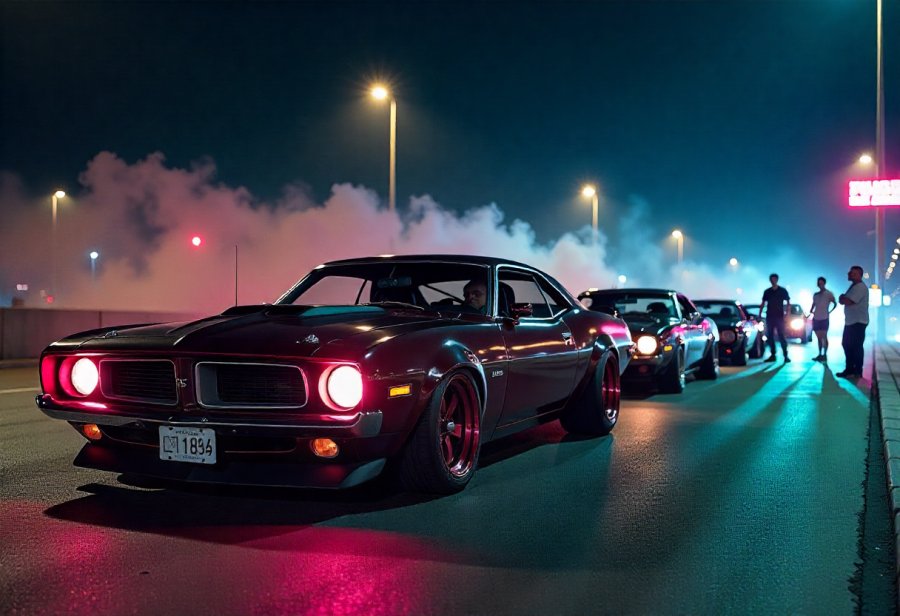
Underground street racing is a scene that springs to life once the city lights fade and the streets transform into a high-speed playground. It’s a world that runs parallel to official motorsport events, tucked away in the shadows of urban landscapes. Quiet back alleys, vacant parking lots, and abandoned industrial zones become makeshift racetracks where adrenaline surges and the thrill of competition feels intensely personal. This environment offers a raw, unfiltered experience that draws a dedicated community eager to push their cars—and themselves—to the limit.
What makes underground racing so compelling is its sense of rebellion and freedom. Unlike regulated circuits, the streets provide an unpredictable stage where every race is a test of skill, nerve, and quick thinking. Racers often modify their cars with turbochargers, custom paint, and performance upgrades, turning each vehicle into a reflection of their personality. The night becomes a canvas for self-expression, blending technical mastery with individual style, all under the cover of darkness.
Beyond the racing itself, this scene is fundamentally about community. Shared love for speed and danger creates bonds that extend far beyond the asphalt. Racers depend on each other for advice, repairs, and protection from external threats like law enforcement or rival crews. Trust is the currency that keeps this world turning—whether sharing tuning secrets or helping a teammate fix their car after a close call. These acts of loyalty forge a sense of brotherhood, transforming casual acquaintances into a tight-knit family.
The culture is built on traditions—regular meetups at familiar spots, celebrating a successful upgrade, or recounting narrow escapes—all adding layers to a collective identity. Cars become symbols of loyalty, personalized with unique paint jobs and performance tweaks that signify trust and pride. These vehicles aren’t just tools for racing; they’re badges of allegiance, embodying the crew’s spirit and unity. In this underground world, speed fuels not just competition but a powerful sense of belonging that keeps the scene thriving amid risks and challenges.
As cities evolve, so does this underground scene. It remains rooted in rebellion, camaraderie, and self-expression—values that turn fleeting moments of adrenaline into lifelong bonds. Underground street racing isn’t just about fast cars; it’s about forging connections that run deeper than the race itself, creating a resilient community bound by loyalty, shared purpose, and the relentless pursuit of speed.
Building Bonds Through Speed: The Core of Street Racing Brotherhood
At the core of street racing brotherhoods lies a shared passion that binds members tightly together. Trust serves as the foundation—knowing your crew will stand by you in every race, challenge, and risky situation on the streets. Loyalty isn’t just a word; it’s demonstrated through consistent support, exchanging insider knowledge, and safeguarding each other’s reputation. When risking legal trouble or personal safety, this unwavering trust becomes the glue that keeps the community resilient.
Technical mastery and hands-on skills are vital in strengthening these bonds. Members often swap tuning secrets, repair tips, and customization ideas, creating a sense of pride and mutual respect. Working together on cars—whether it’s swapping parts, fine-tuning engines, or designing unique aesthetics—fosters a shared sense of achievement. These collaborative efforts elevate individual efforts into collective victories, reinforcing loyalty through craftsmanship and shared purpose.
Night racing rituals and routines also play a key role in deepening this sense of belonging. Regular meetups at familiar spots, celebrating recent modifications, or recounting close calls build a shared history. These traditions become ongoing reminders of their collective journey—of risks taken and victories earned together. Loyalty here isn’t just spoken; it’s felt through these shared experiences, strengthening the bonds that keep the scene alive.
Cars themselves act as symbols of this loyalty. Racers invest countless hours customizing their rides, turning them into extensions of their personalities and crew identity. Unique paint jobs, performance upgrades, and personal touches serve as badges of honor—signaling allegiance and technical skill. These vehicles are more than machines; they’re badges of trust and pride, embodying the crew’s unity and dedication.
This sense of brotherhood extends beyond the asphalt into everyday life. Acts of solidarity—helping repair a teammate’s damaged car, sharing insider secrets, or offering emotional support—deepen these relationships. Such gestures transform acquaintances into a close-knit family that depends on mutual commitment. This ongoing support sustains the scene despite external threats and internal challenges.
Loyalty in street racing culture is reinforced through shared routines and rituals. Regular gatherings, celebrating achievements, or recounting past close calls create a collective memory that unites members. These moments serve as constant reminders of their journey together, making the bonds more resilient and meaningful. They turn fleeting adrenaline-fueled moments into lasting connections rooted in shared history.
Beyond technical skills and routines, the emotional bonds formed through trust and mutual respect are what truly define this brotherhood. When racers help each other through setbacks or celebrate each other’s successes, they forge a deep sense of belonging. These relationships become sources of resilience, providing stability and purpose amid the chaos of underground racing.
In the end, these core elements—trust, technical mastery, shared rituals, and genuine support—are what sustain the underground racing scene. They transform individual racers into a community that thrives on loyalty and collective identity. This brotherhood isn’t just about racing fast; it’s about building lasting relationships that run deeper than the asphalt, fueling a culture rooted in unbreakable bonds.
Loyalty on the Asphalt: How Racing Cultivates Unbreakable Bonds
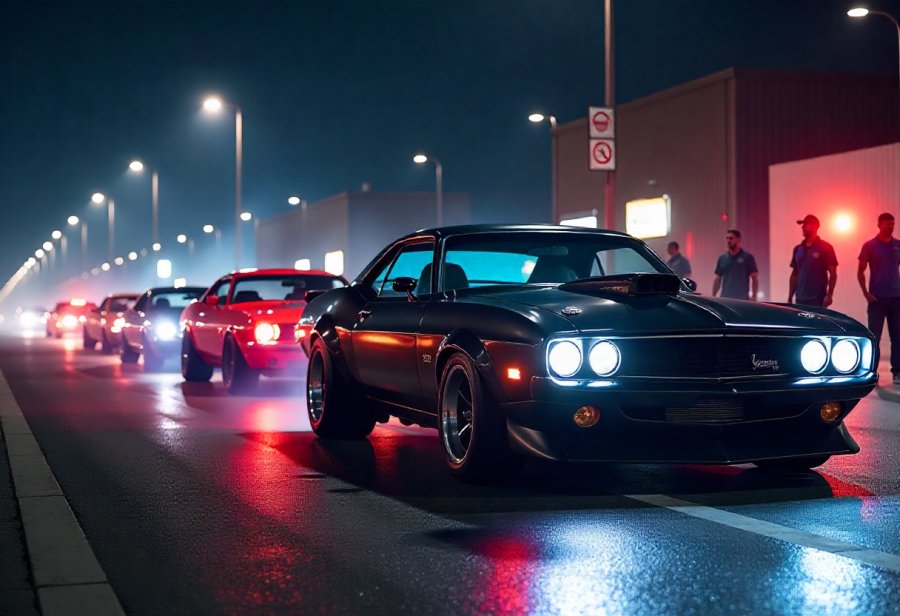
Street racing isn’t just about the thrill of speed; it’s a deep social fabric that forges loyalty and brotherhood at its core. These bonds grow stronger through shared risks, late-night drives, and an unspoken understanding of the dangers involved. Racers depend on each other not only for technical advice but also for emotional support and protection from outside threats like law enforcement or rival crews. Over time, their stories of close calls, victories, and setbacks become shared memories, reinforcing a collective identity rooted in resilience and trust. This culture transforms individual racers into a tight-knit community where allegiance is unwavering, and brotherhood becomes a fundamental part of their lives—fueling their passion for racing and cementing lifelong bonds.
Within this scene, loyalty is built on experience and reliability. Late-night tuning sessions, secret routes, and constant preparedness create a fabric of trust that’s almost unbreakable. Racers know their crew’s safety and reputation depend on mutual support—whether it’s helping repair a damaged car after a race or backing each other up during confrontations. These acts of solidarity deepen bonds, turning casual acquaintances into a family that depends on every member’s commitment. It’s this unwavering loyalty that sustains the scene, even amid legal risks and dangerous stakes, making every shared effort a testament to their collective dedication.
Technical mastery plays a crucial role in strengthening these relationships. Sharing tuning secrets, repair techniques, and aesthetic ideas fosters mutual respect and pride. When members work together on customizing a car, it’s more than just performance enhancement—it’s a symbol of their unity and shared purpose. These collaborative efforts turn individual efforts into collective achievements, reinforcing loyalty through craftsmanship and dedication. Over time, each vehicle becomes a tangible reflection of the crew’s identity, embodying their collective spirit and trust.
Night racing rituals and routines further deepen these bonds. Regular meetups at familiar spots, celebrating upgrades, or recounting close calls help create a shared history that binds racers tightly. These traditions serve as ongoing reminders of their journey—of risks taken and victories earned together. Loyalty isn’t just spoken; it’s felt through these shared experiences, making the brotherhood resilient against external threats and internal conflicts alike. Every race, repair, and secret shared weaves a stronger fabric of brotherhood, transforming fleeting adrenaline into enduring connection.
Beyond the asphalt, these relationships influence everyday life. Acts of loyalty—helping repair a teammate’s engine, sharing insider knowledge, or offering emotional support—foster a sense of community rooted in trust. This ongoing connection provides stability and purpose, especially in challenging urban environments. The bonds formed through racing become a source of resilience and support that extend well beyond the streets, shaping identities and nurturing lifelong friendships. In this way, underground street racing reveals that genuine loyalty and brotherhood can thrive even in the most high-stakes, high-octane worlds.
Beyond the Track: How Brotherhood Shapes Daily Lives and Relationships
Street racing culture extends well beyond the adrenaline-fueled nights on the streets; it shapes how participants behave and build relationships in everyday life. Loyalty to the crew influences decisions on and off the track, creating a sense of responsibility that guides interactions and priorities. Acts of support—whether sharing technical advice, helping repair a damaged car, or backing up teammates during risky situations—cement a bond that feels more like family than a casual group. These gestures foster trust and reliability, turning fleeting moments of camaraderie into lasting connections rooted in mutual respect.
The strength of these relationships hinges on dependability and shared responsibility. When a teammate’s car breaks down or legal issues surface, crew members rally together, offering late-night repairs or emotional backing. This ongoing support deepens loyalty and transforms acquaintances into a tight-knit network that relies on each individual’s commitment. It’s this dependable web of trust that sustains the scene despite external threats and the inherent dangers of illegal racing, reinforcing a culture where members feel valued and protected.
Technical exchange plays a pivotal role in reinforcing bonds. Sharing tuning secrets, repair techniques, and aesthetic ideas not only elevates performance but also fosters pride and mutual respect. Working side by side on modifications turns individual efforts into collective achievements, emphasizing the crew’s unity. Over time, cars become more than machines; they evolve into symbols of trust and allegiance, representing the shared dedication of the community. The craftsmanship invested in each ride reflects the deeper commitment that ties members together, making every upgrade a gesture of loyalty.
Routines and rituals further embed these bonds into the fabric of everyday life. Regular meetups at familiar spots, celebrating new modifications, or recounting close calls serve as shared milestones that reinforce their collective journey. These traditions transform casual encounters into meaningful moments that build a shared history, strengthening the emotional ties that underpin the brotherhood. Loyalty is felt in these routines, creating a resilient sense of belonging that withstands external pressures and internal conflicts alike.
Beyond the asphalt, these relationships influence how racers navigate the challenges of urban environments. Acts of loyalty—helping a teammate with personal struggles, sharing insider knowledge, or offering emotional support—create a support system rooted in trust. This foundation of genuine connection provides stability and purpose, helping members cope with the risks and uncertainties of their world. Ultimately, underground street racing fosters a community where loyalty and support aren’t just values—they are the very threads that sustain the scene and shape lives beyond the race.
Beyond the Finish Line: Reflections on Loyalty, Community, and the Spirit of Racing
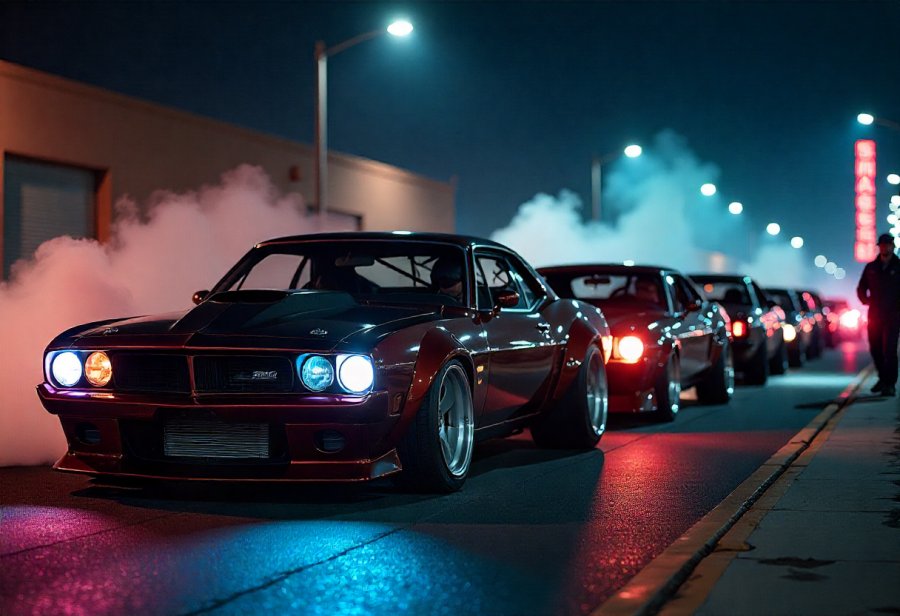
Street racing isn’t just about the rush of speed; it’s a powerful reminder of how loyalty and brotherhood create bonds that go far beyond the asphalt. These connections, forged through shared risks, late-night drives, and countless moments of trust, become a kind of family rooted in mutual respect and a collective pursuit of pushing boundaries. The stories of victories and close calls aren’t merely tales of racing—they are the foundation of lifelong relationships that define the scene and give it lasting strength.
These bonds are built on more than adrenaline; they’re reinforced through everyday acts of loyalty. Whether it’s helping a teammate repair a damaged car, sharing insider knowledge, or standing by each other during setbacks, each gesture deepens the sense of community. Such moments turn fleeting camaraderie into enduring trust, transforming acquaintances into a family that depends on mutual support and commitment. It’s this genuine connection that sustains the scene, even when external pressures threaten to break it apart.
Cars themselves serve as symbols of this loyalty. Customized with care and pride, each vehicle reflects the identity and allegiance of its owner and crew. These modifications are more than performance upgrades—they’re badges of trust and pride, representing shared effort and collective purpose. Over time, these machines embody the spirit of brotherhood, turning craftsmanship into a visible sign of loyalty that strengthens the bond between members.
Beyond the races, the culture of underground street racing shapes how individuals behave and relate in daily life. Acts of support—whether helping with repairs, offering advice, or providing emotional backing—are everyday expressions of loyalty that forge a resilient community. These relationships extend into personal struggles and successes, creating a support network rooted in trust that offers stability amid the chaos and risks of their environment.
In the end, the true power of underground racing lies in its ability to forge unbreakable bonds that endure well beyond the night’s adrenaline. It’s a scene built on loyalty, respect, and shared purpose—values that turn fleeting moments of speed into lifelong connections. This brotherhood doesn’t just fuel the engines; it fuels a sense of belonging and resilience that transforms individual racers into a lasting community, united by more than just a love of speed.