




In an era where effective communication determines competitive edge, customizable telephony solutions like Grandstream’s innovative devices are revolutionizing business connectivity. How can organizations harness these tailored systems to enhance efficiency, scalability, and security? Grandstream’s vast lineup—from carrier-grade IP phones to gateways and unified communication platforms—offers seamless integration, centralized management, and flexible deployment options that adapt to evolving needs. Their advanced protocols ensure interoperability, while features like auto-attendants and call routing streamline internal workflows and elevate customer engagement. But as networks become more sophisticated, so do the demands for reliability and security. Can organizations leverage these future-proof, standards-compliant solutions to build resilient, efficient, and personalized communication ecosystems? This powerful approach transforms ordinary voice environments into strategic assets, empowering businesses to stay agile, connected, and ahead in a rapidly digitalizing world.
Transform Your Business Communication with Customizable Telephony Solutions
In today’s fast-moving business landscape, effective communication isn’t just a convenience—it’s a core driver of success. Companies need systems that not only support daily operations but also adapt to their unique workflows and growth plans. Off-the-shelf telephony solutions often fall short when it comes to meeting these specific needs, which is why tailored communication systems have become essential. Customizable telephony allows organizations to craft a seamless, efficient, and professional voice environment that aligns perfectly with their organizational structure.
Modern businesses are increasingly relying on advanced technology to stay connected. Voice over IP (VoIP) has revolutionized traditional telephony by transmitting calls over the internet, offering flexible, feature-rich solutions that go beyond simple voice calls. This technology enables features like video conferencing, instant messaging, and presence indicators—all integrated into a single platform—making communication more versatile and efficient. When these systems are tailored to your specific requirements, they can significantly improve internal collaboration and customer engagement.
Central to these solutions is device management, which ensures that hardware and software work harmoniously. Centralized tools like Grandstream’s Device Management System (GDMS) simplify configuring, monitoring, and updating a large fleet of devices remotely. This not only reduces maintenance time but also ensures consistency across multiple locations, allowing for smoother scaling as your business expands. Customization extends to call routing, auto-attendants, and user profiles, enabling organizations to design a communication flow that mirrors their operational needs and enhances overall productivity.
Deployment flexibility is another key advantage of customizable telephony. Businesses can opt for on-premise setups for maximum control, cloud-based solutions for quick scalability, or hybrid models that combine both. Cloud-managed systems are particularly appealing for dispersed teams, as they allow remote configuration and management, reducing downtime and streamlining updates. This flexibility ensures that your communication infrastructure can evolve seamlessly with your business, accommodating new channels, devices, and workflows without costly disruptions.
Industry standards like SIP and management protocols such as GDMS underpin the reliability and interoperability of these systems. They guarantee that devices from different vendors work together smoothly, future-proofing your investment. Additionally, best practices like implementing Quality of Service (QoS) for voice traffic and using encryption for security help maintain high call quality and protect sensitive information, even during network congestion or cyber threats. These standards and practices ensure your communication system remains dependable, secure, and capable of supporting long-term growth.
By embracing customizable telephony solutions, businesses unlock the potential to streamline operations, enhance communication quality, and create a more responsive, professional environment. These systems are more than just tools—they are strategic assets that empower organizations to stay agile and competitive in an increasingly connected world. With the right technology and management approach, your business can build a communication network that adapts effortlessly to your evolving needs, setting the stage for sustained success.
Unlocking the Fundamentals of Effective, Tailored Business Telephony
Effective telephony solutions form the backbone of modern business communication, blending hardware, software, and network protocols to create a reliable and seamless voice environment. The true power of these systems lies in their ability to be tailored to meet specific organizational needs, supporting features like call routing, auto-attendants, and voicemail that can be customized to align with unique workflows. This adaptability helps make communication more efficient, ensuring every call connects to the right person at the right time and supporting smoother daily operations.
At the core of these solutions is Voice over IP (VoIP) technology, which has transformed traditional telephony by transmitting voice signals over the internet. This shift demands a stable network with sufficient bandwidth and Quality of Service (QoS) settings to guarantee clear, uninterrupted calls. When managed properly, VoIP not only cuts costs but also unlocks advanced features like video conferencing, presence indicators, and instant messaging—integrating multiple communication channels into a single, unified platform that enhances collaboration.
Device management is another critical element. Configuring, provisioning, and monitoring devices—such as IP phones or gateways—are essential tasks that ensure smooth performance. Centralized tools like Grandstream’s Device Management System (GDMS) streamline this process, allowing administrators to remotely oversee large fleets of devices. This centralized control simplifies troubleshooting, firmware updates, and configuration adjustments, making it easier to maintain consistency across multiple locations, especially as your organization grows.
Deployment options further expand the flexibility of telephony systems. Businesses can choose on-premise setups for maximum control, cloud-based solutions for rapid scalability and easier management, or hybrid models that combine both. Cloud-managed systems are particularly popular for dispersed teams, as they enable remote configuration and monitoring, reducing downtime and streamlining updates. This flexibility ensures your communication infrastructure can adapt seamlessly to evolving business needs without costly disruptions.
Industry standards like SIP play a vital role in ensuring interoperability, future-proofing your investment. These protocols allow devices from different vendors to work together smoothly, providing a reliable foundation that can grow with your organization. Complementing this, management protocols such as GDMS or TR-069 enable centralized device provisioning, updates, and troubleshooting, simplifying maintenance and reducing operational overhead. Following best practices—like implementing QoS to prioritize voice traffic and encrypting communications—further guarantees high call quality and data security, even during network congestion or cyber threats.
Understanding these core concepts helps organizations build robust, flexible, and scalable communication systems. By focusing on customization, deployment options, and adherence to industry standards, businesses can create a voice environment that supports their unique workflows and long-term growth. These foundational ideas set the stage for leveraging innovative devices and advanced management tools, empowering organizations to stay connected, improve efficiency, and maintain a competitive edge in today’s fast-changing digital landscape.
Navigating the Dynamic World of Modern Business Communication Technologies
The way businesses communicate today has transformed more rapidly than many might have expected, driven by technological innovation and changing work habits. Traditional landlines and basic voice calls are now just a piece of a much larger, more integrated puzzle. Modern telephony solutions incorporate a range of smart devices and systems designed to keep teams connected, flexible, and productive, no matter where they are. This shift toward digital, cloud-based, and hybrid environments reflects a broader move to make communication more agile and responsive.
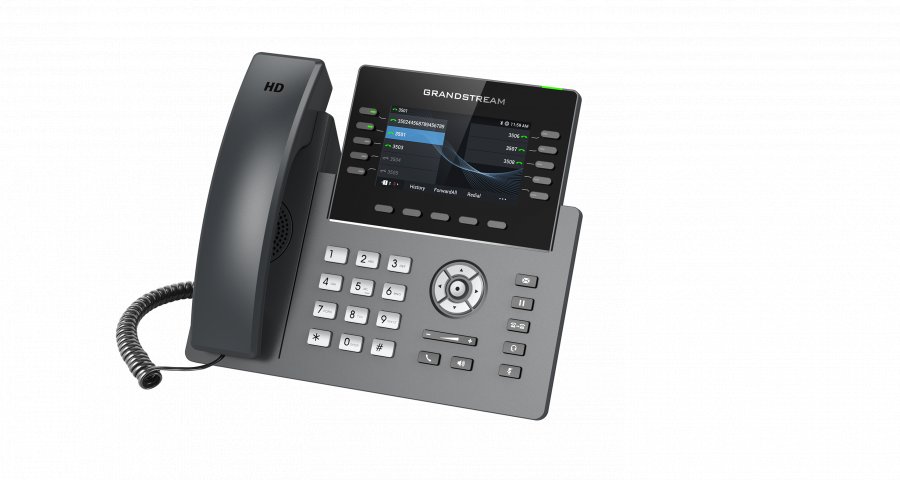
Devices like Grandstream’s IP phones exemplify this evolution. No longer are phones just simple endpoints; they are sophisticated tools built for the digital age. These devices support high-definition audio, programmable keys, and user-friendly interfaces, making daily interactions clearer and more efficient. They seamlessly integrate with broader communication platforms, ensuring that whether in the office or remote, teams enjoy a consistent and reliable experience. The result is a more unified, professional environment that adapts to the demands of modern workflows.
Cloud-managed telephony is reshaping how organizations deploy and maintain their communication systems. Remote configuration, real-time monitoring, and quick updates are now standard features, helping dispersed teams stay connected without the need for extensive on-site infrastructure. This approach dramatically reduces deployment times and operational costs, especially for companies with multiple locations or remote workers. As a result, businesses can scale their communication networks swiftly, adding new users or features as needed, without disrupting existing operations.
Hybrid deployment models are also gaining traction because they strike a balance between control and flexibility. Companies handling sensitive data or requiring strict security often prefer keeping critical systems on-premise while leveraging cloud management for less sensitive functions. This combination allows organizations to customize their setups according to operational priorities, ensuring security without sacrificing scalability or ease of management. Such adaptable solutions are crucial as businesses navigate an environment where agility and security must go hand in hand.
Industry standards like SIP play a vital role in maintaining a future-proof telephony landscape. These protocols ensure that devices from different vendors can communicate smoothly, avoiding vendor lock-in and facilitating upgrades. Management protocols such as GDMS and TR-069 enable centralized device provisioning, firmware updates, and troubleshooting, simplifying maintenance across large networks. Following these standards allows organizations to build reliable, scalable systems that can grow and evolve with their needs, avoiding costly obsolescence.
The integration of innovative devices extends beyond simple voice calls. High-quality video conferencing, instant messaging, presence indicators, and collaboration tools have become essential components of everyday communication. These features are designed to foster real-time interaction, whether for internal meetings or customer engagement. Devices like Grandstream’s IP phones are built to support this multi-channel environment, making it easier for teams to stay connected and responsive, regardless of location.
Security and quality are at the core of today’s telephony systems. Techniques like Quality of Service (QoS) prioritize voice traffic to ensure high call quality, even during busy network periods. Encryption and other security measures protect sensitive conversations from cyber threats. These practices are integrated into device design and management protocols, providing peace of mind that communications remain private and reliable. As cyber threats become more sophisticated, having a resilient, secure system is no longer optional but essential.
In essence, the current telephony landscape is defined by its adaptability and integration. Devices and systems are no longer isolated tools but part of a cohesive, flexible ecosystem. Companies are empowered to craft communication environments that fit their specific needs, scale effortlessly, and adapt swiftly to change. This evolution supports not just operational efficiency but also strategic growth, positioning organizations to thrive in an increasingly connected, digital world. As technology continues to advance, the possibilities for seamless, personalized communication only expand, making today’s telephony solutions more powerful than ever before.

Explore Grandstream’s Cutting-Edge Device Lineup for Scalable, Reliable Connectivity
Grandstream’s device lineup is designed to deliver reliable, scalable, and feature-rich communication tools that meet a wide range of business needs. Their flagship GRP series IP phones stand out for their durability and ease of management, making them ideal for large-scale deployments across multiple locations. These phones support high-definition audio, programmable keys, and vibrant displays, ensuring clear, professional communication at every touchpoint. Thanks to centralized management platforms like GDMS, administrators can configure, monitor, and update hundreds or even thousands of devices remotely, streamlining maintenance and ensuring consistency across the network.
Beyond IP phones, Grandstream offers a diverse array of devices, including gateways, IP PBX systems, and unified communication platforms. These products seamlessly integrate with existing infrastructure, allowing organizations to upgrade smoothly without disrupting ongoing operations. Gateways connect traditional telephony systems to VoIP networks, enabling companies to preserve their legacy investments while unlocking new digital features. Meanwhile, IP PBX platforms provide advanced call control, auto-attendants, and conferencing capabilities that support organizational growth and diversification.
A key strength of Grandstream’s offerings is their focus on customization. Features like call routing, auto-attendants, and user profiles can be tailored to match specific workflows, ensuring internal communications are streamlined and customer interactions are handled professionally. When combined with network optimization tools such as QoS, these devices maintain high-quality voice traffic even during peak network activity, preserving clarity and professionalism. This level of adaptability helps organizations create a communication environment that aligns perfectly with their operational demands.
Device management is simplified through tools like GDMS, which offer a centralized interface for provisioning, monitoring, and updating large fleets of devices. Administrators can troubleshoot remotely, deploy firmware updates, and adjust configurations on the fly—reducing the need for time-consuming on-site visits. This control is especially valuable for businesses with dispersed teams or multiple locations, providing consistency and rapid response capabilities that keep communication systems running smoothly as the organization scales.
Choosing the right devices depends on your specific operational requirements. Grandstream’s solutions support various deployment models—from on-premise hardware to fully cloud-managed systems. Cloud management platforms enable remote configuration and real-time oversight, facilitating quick deployment and effortless scaling. Hybrid models combine the security of local control with the flexibility of cloud management, offering a tailored approach that evolves alongside your business needs without costly disruptions.
Future-proofing your infrastructure is straightforward with Grandstream devices. Built to adhere to industry standards such as SIP, they ensure interoperability with third-party systems and platforms, extending your investment’s lifespan. Regular firmware updates and proactive management through GDMS keep systems secure, stable, and optimized for performance. This commitment to compatibility and ongoing support ensures your communication infrastructure can adapt to technological advances and growing demands.
Ultimately, Grandstream’s device portfolio provides a robust foundation for a customized, efficient, and scalable communication environment. Whether upgrading a single office or deploying across multiple sites, their solutions deliver the flexibility, reliability, and ease of management necessary to meet today’s business challenges. Integrating these devices into your telephony strategy helps create seamless, professional communication channels that enhance workflows, improve customer engagement, and support long-term growth.