




Learning to drive marks a pivotal step into independence for teenagers, blending exhilarating freedom with nerve-wracking self-doubt. This journey isn’t solely about mastering steering or braking; it’s about confronting internal fears—caused by inexperience, societal pressures, and the anxiety of making mistakes. As teens grapple with complex roads and the weight of responsibility, their confidence gradually builds through small successes and supportive guidance. Yet, beneath this growth lies a persistent struggle with internal doubts, comparison, and fear of failure, which can hinder progress. Today’s teen drivers benefit from advanced technology, structured laws, and digital tools that bolster safety and skills. But as future vehicles become more connected and automated, the question remains: will reliance on technology foster genuine confidence or mask internal insecurities? Ultimately, the road to confident, responsible independence is as much about emotional resilience as technical mastery.
Embarking on the Journey: How Learning to Drive Shapes Teen Confidence
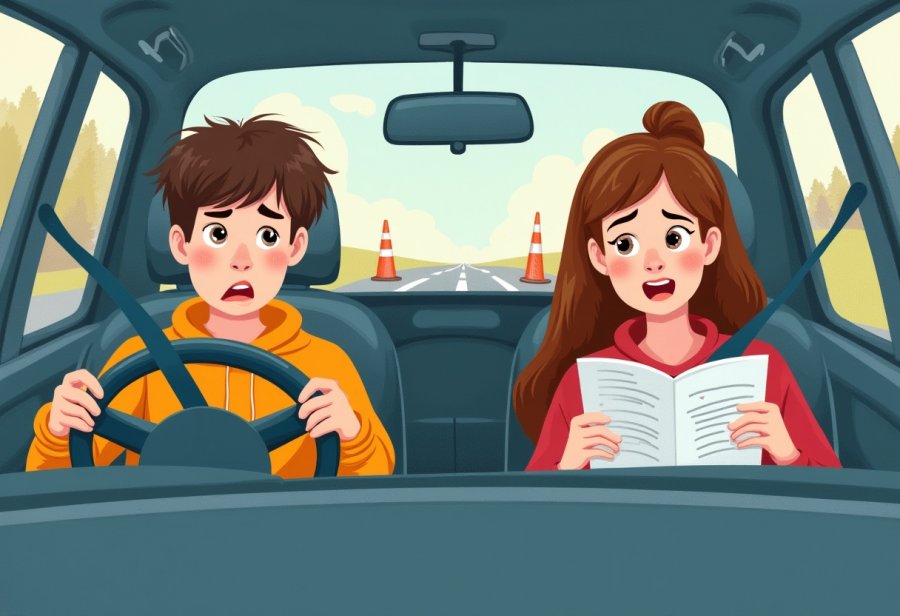
Learning to drive is a milestone that sticks with teens long after they’ve taken the wheel for the first time. It’s more than just mastering the mechanics of steering and braking; it’s about stepping into a new realm of independence that can feel both exhilarating and intimidating. The moment teens sit behind the wheel, a rush of emotions often follows—anticipation mixed with nerves, excitement tinged with self-doubt. It’s a common experience that many young drivers can relate to: the nervous anticipation of that first drive, the cautious movements, and the silent question of whether they’re capable of handling the responsibility.
This emotional rollercoaster is part of the journey toward confidence. Early drives are often marked by hesitation and self-consciousness, as teens grapple with unfamiliar roads, complex traffic situations, and the weight of making decisions on their own. Each small success—completing a turn smoothly or staying calm in traffic—acts as a building block, gradually transforming doubt into belief. Over time, these moments accumulate, helping teens see themselves as capable behind the wheel, fostering a sense of achievement and independence.
However, beneath the surface of growing confidence lies a more nuanced internal process. Many teens carry lingering fears—about causing accidents, embarrassing themselves, or making mistakes that might have serious consequences. These internal doubts can sometimes overshadow their progress, making the learning process feel more daunting than it actually is. It’s common to second-guess every move, to worry about what others think, or to feel overwhelmed by the responsibility. Recognizing these feelings as normal is key to helping teens push through their insecurities.
Support from parents, instructors, and peers plays a crucial role in this emotional journey. Encouragement, patience, and reassurance can help teens reframe setbacks as part of learning rather than failures. As they experience more successful drives, their internal dialogue shifts—from one of criticism and doubt to one of trust and confidence. This internal shift is often subtle but powerful, laying the foundation for a more resilient attitude that extends beyond driving into other areas of life.
Ultimately, learning to drive isn’t just about mastering skills; it’s about navigating internal fears and building resilience. Each mile driven offers an opportunity for self-discovery, helping teens understand that nerves and mistakes are normal parts of growth. As they gradually trust their abilities, they begin to see themselves as capable individuals ready to take on new challenges—both on the road and in life. This emotional transformation is what turns hesitant beginners into confident young adults, ready to embrace independence with a sense of self-assurance.
Navigating Inner Battles: The Psychological Challenges Teens Face Behind the Wheel
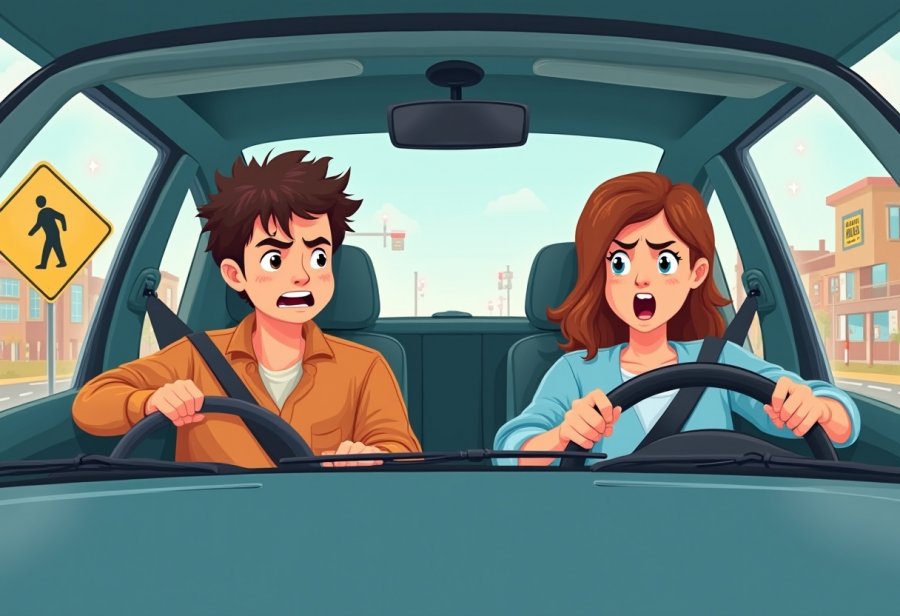
Learning to drive can feel like stepping into a mental maze for many teens. Doubts quickly surface—questions about their ability, fears of making mistakes, or worries about losing control in tricky situations. These internal struggles often originate from inexperience and the unfamiliarity of navigating unpredictable roads. As a result, teens can become trapped in a cycle of self-criticism, where every minor error seems magnified, shaking their confidence and making them doubt their progress.
The pressure to perform perfectly only adds to the mental load. Facing busy traffic, complex intersections, or merging onto highways can feel overwhelming. The fear of causing an accident or being judged by peers and family intensifies these feelings, turning each drive into a stressful challenge. This anxiety often leads to hesitation, which hampers their ability to adapt and learn, creating a feedback loop of doubt and frustration that’s hard to break.
Comparison plays a significant role in fueling internal struggles. Seeing peers or even experienced drivers handle difficult situations with ease can make young drivers feel inadequate or behind. Media messages about reckless driving or accidents can further heighten fears, emphasizing their inexperience as a flaw rather than a normal part of learning. These feelings of inadequacy can cause teens to second-guess every decision, making them hesitant to take on new challenges behind the wheel.
Setbacks like missed turns or near-misses often trigger feelings of embarrassment or frustration. If not managed well, these moments can reinforce negative beliefs about their abilities, leading teens to question whether they’re cut out for driving at all. Without proper support, negative self-talk can dominate their thoughts, stifling progress and eroding their self-esteem. Recognizing these internal struggles as common and temporary is crucial—they are part of the process, not signs of failure.
Understanding these mental hurdles reveals how deeply they influence a teen’s confidence. Anxiety, self-doubt, and fear of mistakes can turn driving practice into a daunting ordeal instead of an empowering experience. The key lies in normalizing these feelings and offering patience and reassurance. With gradual exposure and support, teens can reframe setbacks as opportunities for growth, gradually building resilience and trust in their abilities. This internal work is essential for transforming nerves into genuine confidence behind the wheel.
Modern Roads Ahead: The Changing Reality of Teen Driving Today
Today’s teen driving landscape looks quite different from a decade ago, thanks to rapid advances in technology and shifting societal attitudes. Modern vehicles are often equipped with driver-assist features like backup cameras, lane departure warnings, and adaptive cruise control. These tools help young drivers manage tricky situations with more confidence, reducing mistakes and making the learning process less intimidating. For many teens, these technologies serve as safety nets that support skill development without adding overwhelm.
Alongside these technological improvements, there’s a stronger societal focus on responsible driving. Campaigns highlighting the dangers of distracted driving, substance use, and reckless behavior have reshaped public perceptions. Teens now start their driving journey with structured lessons, supervised practice from parents or instructors, and a clearer understanding of safety. Graduated licensing laws further support this approach by imposing restrictions on nighttime driving, passenger limits, and requiring more supervised hours. These measures aim to give teens a gradual, safer transition to full independence behind the wheel.
The rise of digital tools has also transformed how teens learn and build confidence. Apps that simulate driving scenarios, track progress, and provide feedback are increasingly popular. These resources allow teens to practice decision-making and reinforce good habits outside of actual driving. Virtual and augmented reality technologies are beginning to offer immersive experiences that prepare young drivers for complex situations in a controlled environment, helping to ease anxiety and boost preparedness before hitting the road.
Connected cars and smart infrastructure are set to further enhance safety and confidence. Vehicles communicating with traffic signals, other cars, and road sensors can help prevent accidents and offer real-time guidance. This interconnected system promises a future where navigation feels more intuitive, and errors are caught before they escalate. For teens, such advancements can foster a sense of security and control, especially when faced with unfamiliar or challenging scenarios.
However, reliance on these new systems comes with its own risks. Overtrusting driver-assist features might lead some teens to become complacent, believing technology handles everything. That’s why education around the limits of these tools remains crucial. Teaching teens to stay attentive and responsible ensures that confidence is grounded in genuine skills, not just technology. As norms and tools evolve, the focus remains on fostering responsible independence—combining technological support with ongoing education to prepare teens for the roads of tomorrow.
Building Blocks of Confidence: Practical Strategies for Young Drivers
Building confidence behind the wheel starts with consistent, deliberate practice. Beginning in quiet neighborhoods allows teens to focus on mastering fundamental skills like steering, braking, and smooth turning without the pressure of heavy traffic. Repeating these maneuvers in low-stress environments helps make them feel more natural, laying a solid foundation for tackling more complex situations later on.
Encouraging teens to set small, achievable goals keeps motivation high. Whether it’s perfecting parallel parking or confidently changing lanes, celebrating these milestones builds their sense of accomplishment. Positive reinforcement from parents and instructors—highlighting what was done well and framing mistakes as learning opportunities—strengthens their belief in their abilities and reduces fear of failure.
Creating a supportive environment is essential. When mistakes happen, offering calm reassurance and constructive guidance helps teens see errors as normal and manageable. This approach turns setbacks into stepping stones, fostering resilience and reducing anxiety. As teens experience success and progress, their internal dialogue shifts from self-criticism to self-trust, making them more willing to take on new challenges.
Involving teens in planning their practice schedules encourages ownership and responsibility. Letting them choose when and where to practice makes driving feel less like a chore and more like a skill they are actively developing. This involvement increases their engagement and investment, naturally boosting confidence as they see their efforts lead to tangible progress.
Supplementing real-world practice with additional resources can make a difference. Driving apps, online tutorials, or simulation exercises offer low-pressure ways to review techniques and prepare for tricky situations. Watching instructional videos together or participating in mock scenarios helps reinforce good habits and build familiarity with complex driving scenarios, reducing nerves in actual driving situations.
Gradually exposing teens to diverse driving conditions—such as night driving, highway merging, or heavy traffic—helps them build competence step by step. Each new challenge conquered boosts their confidence and prepares them for the realities of independent driving. Patience and encouragement during this process are key; progress may be slow at times, but persistence pays off.
Supporting teens emotionally is as important as developing their skills. Celebrate even small successes and offer reassurance during setbacks. Recognizing that nerves and mistakes are part of learning helps teens develop a growth mindset, making them more resilient and eager to improve. This emotional support fosters a sense of trust in their abilities, turning uncertainty into confidence.
Finally, fostering independence through active participation in their learning process builds self-reliance. When teens take ownership of their practice and understand their progress, they develop a sense of control that translates into real confidence. Combining steady practice with encouragement and patience creates a solid foundation for them to become not only skilled drivers but also confident, responsible young adults ready for the road ahead.

Driving into Tomorrow: The Future of Teen Confidence and Technology in Mobility
The future of teen driving is set to change dramatically as new technology continues to evolve at a rapid pace. Vehicles equipped with advanced driver-assist systems—like automatic emergency braking, lane-keeping assist, and adaptive cruise control—are becoming increasingly common. These features can help young drivers feel more confident by reducing cognitive load and supporting decision-making in complex situations. As these systems become standard, they are likely to make roads safer for everyone, especially for those still building their skills and confidence.
Alongside technological advances, regulations are becoming more supportive of gradual independence. States are adopting stricter graduated licensing laws that limit nighttime driving, restrict passenger numbers, and require more supervised practice hours. These measures give teens time to develop their skills in a safer environment, fostering confidence without rushing into full independence. When combined with parental guidance and professional instruction, these laws create a more secure pathway toward responsible driving.
Digital tools also play a growing role in shaping future confidence. Apps that simulate driving scenarios, offer feedback on habits, and track progress are gaining popularity. These virtual resources allow teens to prepare for real-world challenges in a low-pressure setting, helping to reduce anxiety and reinforce good decision-making. As virtual and augmented reality technologies improve, immersive training options could become essential parts of driver education, offering realistic practice without the risks of actual driving.
Connected cars and smart infrastructure are poised to transform safety further. Vehicles communicating with traffic signals, other cars, and road sensors could prevent accidents before they happen. Real-time guidance and error detection will give teens an added layer of security and control, especially when navigating unfamiliar areas or difficult conditions. This interconnected system promises a future where driving feels more intuitive and less stressful, giving young drivers a confidence boost as they face new roads.
However, reliance on these high-tech systems must be balanced with responsible habits. Overtrust in driver-assist features might lead some teens to become complacent, believing the technology handles everything. Teaching them to understand the limits of these tools and stay attentive behind the wheel remains critical. Confidence rooted in genuine skills and awareness is far more sustainable than overconfidence in technology, ensuring safe and responsible driving habits.
As norms and technologies evolve, fostering a mindset of continuous learning and adaptability will be essential. Parents, educators, and teens must stay informed about emerging trends and emphasize that confidence comes from mastery and responsibility, not just the latest gadgets. Encouraging responsible use of new tools while maintaining a focus on core skills will prepare teens to navigate tomorrow’s roads with resilience, maturity, and confidence.