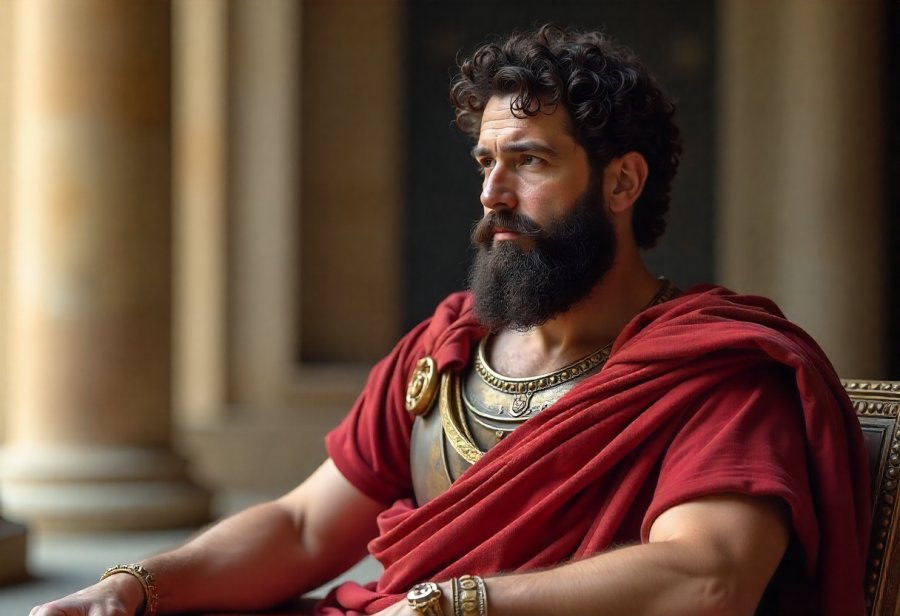
Christopher Columbus’s voyages are a defining chapter in world history, blending daring exploration with profound controversy. His 1492 journey, aiming to find a new route to Asia, instead opened the Americas to European contact—ushering in a new era of interconnectedness. Yet, beneath the narrative of discovery lies a trail of conquest, cultural upheaval, and devastating impacts on indigenous populations. Today, society grapples with contrasting views: some celebrate Columbus as a pioneering explorer, while others condemn his role in colonization’s violence and exploitation. This evolving debate challenges us to confront the full legacy of his actions—both the achievements that reshaped global trade and the moral costs that forever altered native cultures. As we reflect on his story, we are prompted to ask whether exploration should be celebrated without acknowledging its dark side or if true progress requires recognizing the pain and resilience intertwined with discovery. The lesson lies in balancing admiration with accountability, shaping a more honest understanding of our shared past.
Unraveling Columbus: Legacy, Controversy, and the Duality of Discovery
Christopher Columbus remains one of the most debated figures in history, and his legacy continues to spark passionate discussions. His voyages, starting in 1492, marked a turning point that forever changed how the world connected. To some, he is a daring explorer who expanded human horizons; to others, he is a symbol of conquest and suffering. This duality keeps his story alive in cultural and academic debates alike.
On one side, Columbus is credited with opening the Americas to European exploration and establishing pathways for trade, colonization, and cultural exchange. His journey set in motion events that reshaped global history, creating a new interconnectedness among continents. The Columbian Exchange, for example, introduced new crops, animals, and ideas, but also carried devastating diseases that decimated indigenous populations. These profound impacts are woven into the fabric of today’s society.
Yet, the narrative is far from simple. Increasing awareness of the darker consequences has led many to question the glorification of Columbus. Statues are being taken down, holidays renamed, and monuments reassessed. Critics highlight the violence, displacement, and cultural erasure that followed his expeditions, urging a reevaluation of how history remembers him. Indigenous voices emphasize the suffering caused and advocate for a recognition of their resilience and pain.
Public debates about Columbus’s legacy are often emotional. Some communities push to replace Columbus Day with Indigenous Peoples’ Day, aiming to honor native histories and resistance. Statues once glorifying him are being removed or replaced by figures representing indigenous resilience. These actions reflect society’s effort to acknowledge both the achievements and the moral costs of exploration.
Columbus’s story is thus a complex tapestry of discovery and destruction. While his voyages opened new worlds and fostered cultural exchange, they also initiated centuries of colonization marked by violence and exploitation. Understanding this dual legacy is vital to appreciating the full scope of his impact, both positive and negative. It reminds us that history isn’t black and white but a mosaic of human achievement and moral challenge.
As society continues to reflect on his role, the way Columbus is remembered will likely evolve further. Embracing multiple perspectives helps foster a more honest and inclusive history—one that respects indigenous experiences while acknowledging the significance of exploration. Moving forward, this balanced view can guide us toward a more compassionate understanding of a complicated past.
Charting the Course: Origins and Planning of Columbus’s Historic Voyage
Christopher Columbus’s journey to the New World didn’t happen overnight; it was the result of years of careful planning, persistent persuasion, and a relentless desire to explore. Born in Genoa around 1451, he grew up in a modest family but was captivated by the sea from a young age. Early on, he studied maps and writings about distant lands, fueling his imagination and shaping his dream of discovering new routes to Asia. By his twenties, he was already sailing along European coasts, gaining practical experience and honing his navigational skills.
Columbus’s idea of reaching Asia by sailing west wasn’t new. Many explorers and scholars had considered similar routes, but the challenge was immense—vast, largely uncharted waters and the danger of the Atlantic Ocean. Influenced by ancient geographers like Ptolemy, Columbus believed the world was smaller than commonly thought and that a shorter westward route could exist. His conviction rested on the idea that the Earth was spherical, a concept gaining wider acceptance at the time, making his plan seem plausible.
Convincing European monarchs to fund his voyage proved difficult. Portugal and England both declined, wary of the risks and uncertain rewards. Undeterred, Columbus turned to Spain, where the Catholic Monarchs, Queen Isabella and King Ferdinand, saw potential in his bold plan. After years of negotiation, they agreed to sponsor his expedition in 1492, hoping it would bring wealth and prestige by finding a new route to Asia. With royal backing secured, he prepared his fleet of three ships—the Santa María, the Pinta, and the Niña—and assembled a crew of seasoned sailors and eager adventurers, all aware of the risks but driven by the promise of discovery.
In August 1492, Columbus set sail from Palos de la Frontera, embarking on an epic voyage across the Atlantic. Weeks at sea tested their resolve, with storms, calm spells, and mounting fears of the unknown. Despite doubts among some crew members, Columbus remained confident, convinced land was just beyond the horizon. Finally, on October 12, 1492, land was sighted—though Columbus believed he had reached Asia, he had actually stumbled upon a new continent. His voyage marked the beginning of a new era in history, opening the door to exploration, colonization, and profound cultural shifts.
Reevaluating Columbus: Modern Perspectives, Debates, and Changing Memories
Today, how we remember Christopher Columbus is more nuanced than ever before. In many places, especially in the United States and parts of Europe, he remains celebrated with holidays, statues, and public monuments that honor his role as a pioneer of exploration. But these symbols are increasingly being questioned. Critics highlight the violence, displacement, and cultural destruction that followed his voyages, pointing to the suffering inflicted upon indigenous peoples. Movements to remove statues or rename holidays reflect a broader effort to reassess his legacy and acknowledge the darker consequences of his actions.
Public debates about Columbus’s memory are often passionate and emotionally charged. Some communities advocate replacing Columbus Day with Indigenous Peoples’ Day, aiming to shift focus from exploration to native resilience and history. Statues once glorifying him are being taken down or replaced by figures representing indigenous resistance, signaling society’s desire to tell a more honest story. These actions challenge traditional narratives that celebrate discovery without considering the moral costs involved.
Cultural perspectives on Columbus vary widely. In the United States and many European countries, he is still viewed as a symbol of discovery and human curiosity, emblematic of progress. Conversely, in Latin America and the Caribbean, many emphasize the violence and upheaval caused by colonization, criticizing the hero narrative that often surrounds him. Educational institutions are increasingly incorporating multiple viewpoints, highlighting both navigational achievements and the devastating impacts on indigenous communities.
This reevaluation is also reflected in political debates. Some argue for a more inclusive history that recognizes the suffering caused by colonization, while others defend traditional stories as integral to national identity. The challenge lies in balancing celebration of exploration with acknowledgment of its moral implications. Society’s shift toward a more nuanced view aims to foster understanding, empathy, and respect for indigenous resilience, rather than glorify conquest.
The movement to rethink Columbus’s legacy extends beyond statues and holidays. It encourages a broader reflection on the long-term consequences of exploration—cultural loss, ecological damage, and social upheaval. Recognizing these realities pushes us to approach future exploration with greater responsibility, emphasizing respect for diverse cultures and ecosystems. This broader perspective helps ensure that history does not remain one-sided but becomes a foundation for more ethical and inclusive narratives.
Looking ahead, how Columbus will be remembered continues to evolve. As awareness of indigenous histories grows, future stories are likely to emphasize the complexities of exploration—its achievements and its costs. Schools and communities are increasingly adopting curricula that include indigenous voices, fostering empathy and understanding. This ongoing process aims to tell a fuller, more honest story that respects multiple experiences and recognizes the enduring impacts of colonization.
Ultimately, the way society remembers Columbus reflects its values and commitment to truth. Embracing the full scope of his legacy—both the daring and the devastating—can help us learn from the past. It encourages a more compassionate view of history, one that honors resilience and recognizes the moral responsibilities tied to exploration. In doing so, we move toward a more inclusive and truthful understanding of our shared human story.
Beyond Discovery: Lessons and Impact of Columbus’s Expanding World
Columbus’s voyage did more than just discover new lands; it sparked a wave of exploration that transformed the entire world. His travels exemplified how curiosity and daring could link distant continents in unprecedented ways. This spirit of adventure fueled European expansion, leading to the colonization of the Americas and the creation of a truly interconnected global landscape. But alongside these achievements, the journey also initiated centuries of conflict, displacement, and cultural upheaval for indigenous peoples.
The Columbian Exchange stands out as a key legacy of Columbus’s voyage. It introduced new crops, animals, and ideas across continents, reshaping ecosystems and diets worldwide. While this exchange fostered economic growth and cultural blending, it also carried devastating diseases like smallpox, which decimated native populations unprepared for these new threats. These biological impacts laid the groundwork for centuries of colonial dominance and social upheaval.
Exploration driven by Columbus’s success inspired a narrative of progress and human curiosity that fueled national pride. Yet, this story often glossed over the violence, land theft, and cultural destruction that accompanied colonization. Recognizing these darker realities prompts a more honest view of history—one that balances achievement with accountability. It’s a reminder that discovery rarely comes without moral costs, and that progress often bears a heavy price.
The lessons from Columbus’s journey echo today, urging us to approach exploration ethically. While seeking new frontiers can lead to innovation and cultural exchange, it must be guided by respect for indigenous communities and ecosystems. The destruction wrought by colonization underscores the importance of responsible, inclusive exploration that values diversity and sustainability. Understanding these lessons helps prevent repeating past mistakes and fosters a more just approach to future discovery.
This reflection encourages us to see exploration not as conquest but as a moral undertaking. It reminds us that the true legacy of Columbus’s voyage lies in its complex aftermath—both the interconnectedness it created and the suffering it caused. Embracing this duality can deepen our understanding of history, emphasizing resilience, adaptation, and the need for compassion in all acts of discovery.
Moving forward, society’s narratives will likely continue to evolve. More inclusive histories that acknowledge indigenous perspectives and the lasting impacts of colonization help build understanding and empathy. By recognizing both the achievements and the harms of exploration, we can shape a more honest, respectful story—one that honors human curiosity while upholding moral responsibility. This balanced view ensures that the lessons of Columbus’s voyage guide us toward a more equitable and compassionate future.
Reflecting Forward: Evolving Views on Columbus’s Legacy and Future Narratives
As we look ahead, the way society remembers Columbus will continue to evolve, shaped by growing awareness of indigenous perspectives and the enduring impacts of colonization. Moving beyond simple celebration, communities are increasingly embracing a nuanced understanding that acknowledges both navigational achievements and the suffering caused by exploration. Schools and public institutions are gradually integrating diverse voices, fostering a more honest and inclusive narrative that respects native histories and resilience.
This shift prompts us to reconsider the symbols and stories we uphold. Statues are coming down, holidays are being renamed, and new stories are emerging—ones that highlight resistance, survival, and cultural revival. These changes reflect a collective effort to confront uncomfortable truths and to honor the experiences of those who suffered under colonization. Recognizing the long-term consequences of Columbus’s voyages encourages a more responsible approach to exploration, emphasizing respect for cultures and ecosystems rather than conquest.
The lessons of his journey remind us that discovery and progress are intertwined with moral responsibilities. The devastating aftermath of colonization—cultural loss, ecological damage, and social upheaval—serves as a cautionary tale. Moving forward, future exploration must be guided by empathy, inclusivity, and sustainability. Understanding the full scope of Columbus’s legacy helps prevent past mistakes and fosters a commitment to ethical engagement with new frontiers.
As scholarship and cultural awareness deepen, the stories we tell will increasingly reflect this complexity. Incorporating indigenous voices and acknowledging the harms inflicted will help create a more truthful and compassionate historical record. This balanced perspective not only enriches our understanding but also builds empathy, encouraging us to see exploration as a collective journey with shared moral stakes.
Education will play a crucial role in shaping these evolving narratives. Curricula that highlight multiple perspectives and emphasize the resilience of native communities can foster respect and understanding across generations. By embracing the full scope of history—its achievements and its scars—we lay the groundwork for a more just and inclusive future.
In embracing this broader view, society affirms its commitment to truth and reconciliation. Recognizing both the daring and the devastation of Columbus’s voyages allows us to learn from the past, shaping a future that values human curiosity alongside moral responsibility. The story of exploration is no longer just about discovery; it is about understanding, respect, and the ongoing effort to build a world that honors all its histories.