




What if true leadership isn’t measured by external victories or titles but by inner discipline and resilience? Marcus Aurelius exemplifies this paradox, balancing imperial power with philosophical mastery—reminding us that genuine strength begins within. This work explores how internal virtues such as self-control, mental clarity, and emotional resilience form the foundation for lasting influence, especially amid chaos and uncertainty. Through historical insights and practical strategies—like daily reflection, journaling, and Stoic exercises—it reveals how modern leaders can cultivate a steady mind and unwavering integrity. Inner discipline becomes a quiet but formidable force, capable of guiding others through tumultuous times with calm and purpose. As external markers fade, the true legacy lies in mastering oneself—prompting us to ask: in a world obsessed with superficial success, are we truly building an empire within?
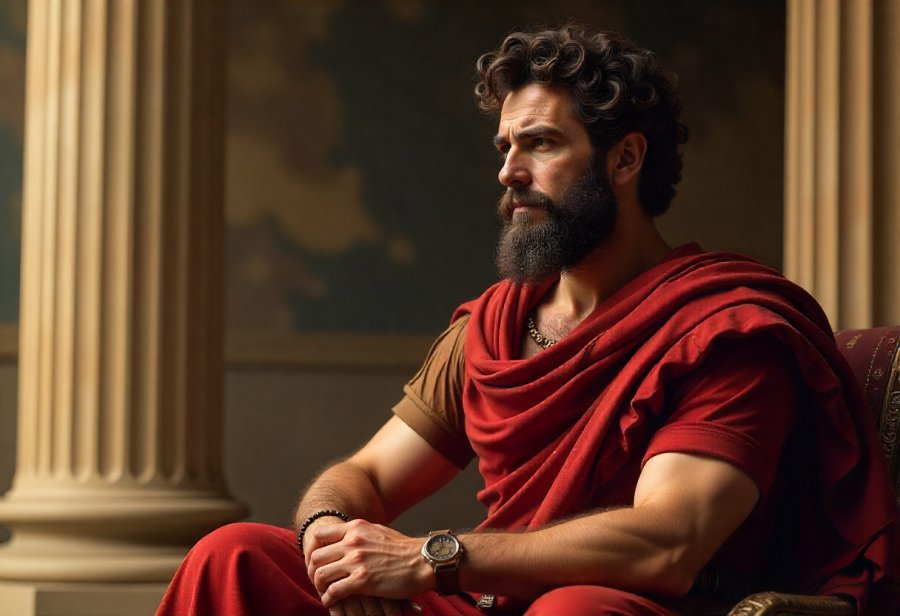
Uncovering Inner Strength: The Power of Discipline Within
Throughout history, strength has often been linked to outward appearances—military victories, territorial gains, or displays of political power. These achievements are easy to notice and celebrate, but they don’t tell the whole story of what makes a truly influential leader. What if real strength isn’t about conquest or external success, but about resilience, self-control, and inner stability? Inner discipline—encompassing mental clarity, emotional resilience, and self-mastery—may be the true foundation of lasting influence. It’s about developing a mindset that remains steady in chaos and focused amid distractions, qualities that allow leaders to govern wisely and uphold their integrity regardless of external circumstances.
Many people mistake inner discipline for mere willpower, but it’s far deeper. It involves consistently practicing self-control during moments of temptation and stress, and building resilience to bounce back from setbacks. Mental clarity helps leaders stay calm and make thoughtful decisions in high-pressure situations. This internal strength isn’t flashy or immediately visible, yet it wields enormous power. When leaders master themselves, they set an example that fosters trust and loyalty, qualities that endure when external conditions change or chaos erupts.
Historically, rulers who prioritized external achievements often left fleeting legacies. Empires rose and fell, armies won and lost, but those who cultivated inner discipline left more enduring marks. Take Marcus Aurelius, for example. Despite facing wars, plagues, and political upheaval, he relied on inner resilience and philosophical clarity. His writings, especially the Meditations, reveal a man committed to self-mastery—a reminder that true strength begins within. Staying grounded amid chaos allowed him to lead with wisdom and calm, demonstrating that internal virtues are more powerful than external displays of dominance.
Today, this idea remains highly relevant. In a world of rapid change and constant distraction, staying centered and resilient is more vital than ever. External markers of success—titles, social media fame, material wealth—are fleeting. Inner discipline provides a stable foundation to navigate uncertainty and make decisions rooted in wisdom rather than impulse. Leaders who cultivate this inner strength can inspire confidence, maintain integrity, and handle crises with clarity. It’s a quiet power that sustains influence far beyond superficial achievements.
Developing inner discipline starts with simple daily practices. Moments of quiet reflection or meditation can help calm the mind and increase self-awareness. Journaling about challenges and lessons learned deepens understanding and resilience. Techniques drawn from Stoic philosophy, like visualizing setbacks or imagining worst-case scenarios, prepare the mind for adversity, reducing emotional reactivity when difficulties arise. These habits cultivate patience and a growth mindset, turning self-control into an ongoing, deliberate effort rather than a fixed trait.
Mentorship and peer support also play crucial roles. Engaging with trusted colleagues provides external perspectives and accountability. Honest feedback reveals blind spots and fosters humility, while shared experiences remind leaders they’re not alone in their journey. Recognizing setbacks as opportunities for growth keeps motivation high and prevents frustration. Inner discipline isn’t about perfection; it’s about consistent effort and a willingness to learn from every challenge.
Finally, adopting routines like mindful breathing, gratitude exercises, or regular self-assessment helps reinforce mental clarity and emotional resilience. These habits act as anchors during turbulent times, cultivating a steady character capable of guiding others through uncertainty. Over time, this internal work builds a resilient mindset that views setbacks as opportunities for growth, enabling leaders to maintain calm and purpose amid chaos. Inner discipline, cultivated daily, becomes the quiet but unwavering force behind true leadership.
Marcus Aurelius: The Philosopher-King Who Balanced War and Wisdom
Marcus Aurelius exemplifies the rare balance between military leadership and philosophical wisdom. As Roman Emperor from 161 to 180 AD, he faced relentless threats—barbarian invasions, internal rebellions, and political unrest—yet he remained committed to Stoic principles. His leadership was marked not just by strategic military actions but by a deep internal focus that kept him centered amid chaos. His writings, especially the Meditations, reveal a man who prioritized mastering his mind and emotions, emphasizing that true strength begins within.
Born into a prominent Roman family in 121 AD, Marcus was recognized early for his intelligence and virtue. His education in Stoic philosophy shaped his approach to life and leadership. When he inherited the throne, he confronted an empire beset by external threats and internal divisions. Instead of reacting impulsively or seeking personal glory, he governed with humility and wisdom. His philosophical pursuits didn’t take a backseat; they became guiding principles during turbulent times, helping him navigate complex challenges with calm and clarity.
Throughout his reign, Marcus faced pivotal moments that tested his inner resolve. During the Marcomannic Wars, invading tribes threatened Rome’s borders. Marcus responded with strategic patience and resolve, focusing on the well-being of his soldiers and the stability of the empire rather than on displays of dominance. His ability to remain steady and composed under pressure exemplifies how internal discipline—self-control, rationality, and virtue—can be more powerful than external conquest. These qualities allowed him to lead effectively, even in the face of adversity.
Marcus’s life and leadership demonstrate that philosophical wisdom isn’t just abstract theory but a practical tool for governance. His internal discipline enabled him to balance the demands of military duty with a focus on virtue and self-mastery. His example shows that true strength lies in resilience and clarity, qualities that sustain influence far beyond fleeting victories. His legacy endures because he understood that lasting power is rooted in mastery over oneself, not just external achievements.
His story continues to inspire, reminding us that genuine leadership arises from within. Marcus Aurelius’s commitment to inner discipline—balancing action with reflection, strength with humility—offers a timeless blueprint for anyone seeking to lead with integrity and resilience. In a world full of external distractions and upheavals, his life underscores that the greatest empire a leader can build is the one within.
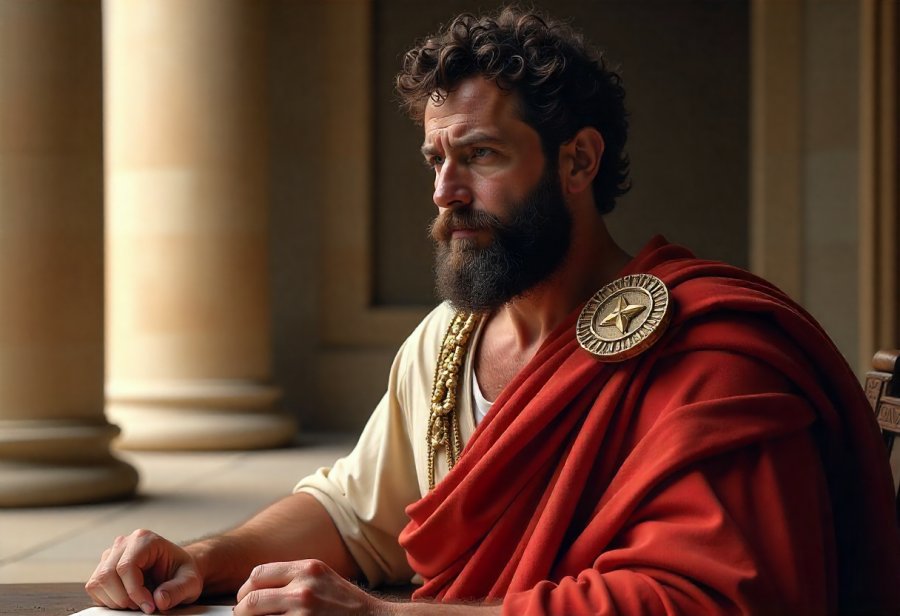
Ancient Wisdom, Modern Leadership: Why Inner Discipline Matters Today
Marcus Aurelius’s approach to inner discipline isn’t just a relic of ancient philosophy; it holds remarkable relevance for today’s leaders navigating a complex, unpredictable world. In an era driven by rapid technological advances, social upheaval, and information overload, maintaining calm and clarity can be a decisive advantage. Leaders who develop resilience and self-control can make better decisions, resist impulsive reactions, and uphold integrity even amidst chaos. The core principles of mental fortitude and emotional resilience are timeless tools that remain essential in modern leadership.
While contemporary success often hinges on external metrics like profits, social media presence, or market dominance, these can overshadow qualities that sustain long-term influence. Marcus’s focus on inner virtue reminds us that external achievements are fleeting without a solid foundation of inner strength. Leaders who stay composed and rational under pressure foster trust and loyalty—traits that prove invaluable during crises or sudden shifts. Inner resilience acts as an anchor, helping leaders navigate turbulent times with purpose rather than panic.
In today’s fast-paced landscape, mental agility isn’t optional; it’s a necessity. Leaders with developed inner discipline respond thoughtfully instead of reacting emotionally, avoiding impulsive decisions that might lead to missteps. Clarity of mind, inspired by Stoic principles, allows them to prioritize long-term values over short-term gains. Viewing setbacks as opportunities for growth rather than failures to be ashamed of is a mindset that fuels progress in a world where change is constant and stability rare.
Social media and digital platforms have transformed how leadership is perceived, making authenticity and emotional resilience more visible and valued. Marcus Aurelius’s example of self-mastery offers a blueprint for staying true to oneself amidst external noise and criticism. Leaders who cultivate inner steadiness build credibility and inspire others to develop similar resilience, creating a ripple effect that strengthens entire organizations.
Developing this inner discipline isn’t reserved for philosophers or historical figures; it’s accessible to anyone willing to practice daily reflection, patience, and self-awareness. Simple routines like meditation, journaling, or mindful breathing can reinforce mental clarity and emotional resilience. Recognizing that these qualities are skills to be cultivated transforms inner discipline from an abstract ideal into a practical, ongoing effort. Over time, this inner work becomes the backbone of authentic leadership—calm, steady, and capable of guiding others through any storm.
Tools for Transformation: Building Leadership Through Inner Strength
Developing inner discipline as a leader starts with adopting practical tools and cultivating the right mindset. Daily routines like meditation or quiet reflection create a mental buffer, helping to calm the mind and increase self-awareness. These moments of stillness allow you to observe your thoughts and emotions without immediate reaction, laying a foundation of clarity that’s essential during stressful situations. Over time, such practices become second nature, empowering you to respond thoughtfully rather than impulsively when faced with challenges.
In addition to meditation, journaling is a powerful way to deepen self-understanding. Regularly writing about your experiences, decisions, and lessons learned reveals patterns and triggers, fostering humility and resilience. Stoic exercises, like visualizing setbacks or imagining worst-case scenarios, prepare your mind to handle adversity calmly. These mental rehearsals reduce emotional reactivity and reinforce the belief that setbacks are opportunities for growth, not failures to fear.
Building inner discipline also means engaging with trusted mentors or peers. Honest feedback from these relationships provides external perspectives that highlight blind spots and encourage humility. Sharing your struggles and successes in a supportive environment reminds you that growth is ongoing and that setbacks are part of the journey. Patience and self-compassion are vital here—perfection isn’t the goal, but consistent effort and a willingness to learn from every experience are.
Modern methods extend beyond traditional routines. Regular self-assessment, whether through reflection prompts or personality inventories, sharpens self-awareness. Creative outlets like art or music foster emotional resilience by offering outlets for expression, helping you stay grounded amid external chaos. Making a deliberate effort to incorporate these activities into your routine shifts inner discipline from an abstract ideal into a tangible, ongoing practice.
Finally, habits are the backbone of lasting inner strength. Consistent routines such as mindful breathing, gratitude exercises, or morning reflections create stability and reinforce positive mental patterns. These habits act as anchors, helping you maintain composure and purpose during turbulent times. As they become ingrained, they cultivate a resilient mindset—one that views challenges as opportunities to grow and remain steady in the face of uncertainty. Through deliberate daily actions, inner discipline transforms into a quiet yet unshakable force that underpins authentic leadership.
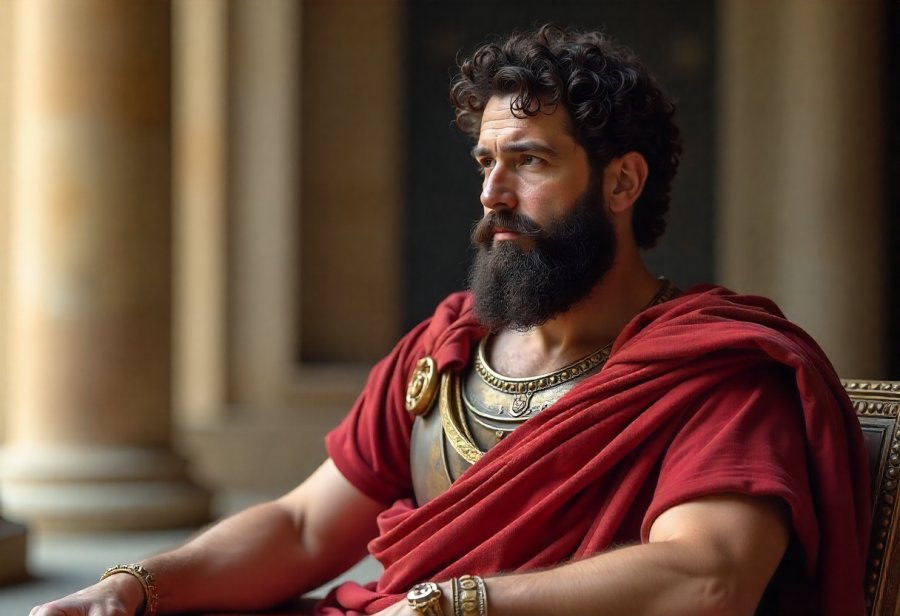
The Lasting Influence of Inner Discipline: Keys to True Leadership Power
Inner discipline is the true cornerstone of authentic leadership. While external achievements—titles, awards, victories—may shine brightly for a moment, they often fade or are reversed over time. What endures is the internal strength rooted in resilience, self-control, and wisdom. Marcus Aurelius exemplified this truth, showing us that genuine power doesn’t rely solely on conquest or recognition but on mastery of oneself. Leaders who prioritize cultivating this inner virtue build a steady foundation of trust and integrity that can withstand chaos, criticism, and setbacks.
This internal strength shapes how a leader responds to challenges. External success can be fragile; a single crisis or mistake can undo a reputation built only on outward displays. Inner resilience acts as an anchor, fostering calmness and clarity in turbulence. It enables leaders to navigate storms with purpose and grace, inspiring others to develop similar qualities. Marcus’s life reminds us that lasting influence flows from self-control and inner clarity more than external dominance.
Throughout history, those who focused solely on external achievements often left fleeting marks. Their empires rose and fell, but those who cultivated inner discipline—like Marcus Aurelius—left a legacy rooted in virtue. This kind of strength isn’t loud or showy; it’s quiet, yet profoundly impactful. It maintains integrity in the face of adversity and sustains influence beyond temporary victories. Recognizing that mastery over oneself is the true source of power shifts the focus from superficial success to lasting inner growth.
In today’s fast-changing world, this lesson is even more relevant. Leaders face constant distractions, mounting pressures, and unpredictable crises. External markers of success—profits, social media fame—are fleeting, but inner resilience offers stability. It allows leaders to stay true to their values, make thoughtful decisions, and foster trust. Developing this inner discipline isn’t reserved for philosophers or emperors; it’s accessible through daily reflection, patience, and deliberate effort.
When inner discipline is prioritized, leadership becomes less about ego and superficial gains and more about service, virtue, and lasting impact. It’s about cultivating a character capable of guiding others through uncertainty with wisdom and calm. This steady inner strength becomes a quiet but powerful force that sustains influence over time, shaping a legacy rooted in resilience and authenticity. In the end, mastery over oneself is the most enduring form of leadership—more powerful than any external empire.