Unlock the secret to worry-free driving by mastering the art of battery maintenance—discover how a simple check can prevent unexpected breakdowns and ensure your vehicle’s reliability. Have you ever wondered why neglecting your battery leads to sudden failures, especially in extreme weather or after periods of inactivity? This guide reveals that regular inspections, cleaning corrosion, testing voltage, and keeping terminals tight are straightforward yet vital practices that extend your battery’s lifespan and prevent costly repairs. Modern advancements, from smart diagnostic tools to built-in sensors and predictive analytics, make monitoring your battery easier and more precise than ever. Could these innovations redefine vehicle upkeep, shifting from reactive fixes to proactive prevention? By embracing these trends, you’ll gain confidence behind the wheel, knowing your vehicle is always ready to start, no matter the conditions. Isn’t it time to take control of your battery’s health and drive with peace of mind?

Unlock the Secrets to Worry-Free Driving with Proper Battery Care
A reliable car battery is the backbone of smooth, worry-free driving. It’s more than just the component that starts your engine; it powers all the electronic systems that make your vehicle comfortable and safe—headlights, infotainment, sensors, and more. When your battery is in good shape, your car responds promptly and reliably, whether you’re heading to work, running errands, or hitting the open road. But neglecting its maintenance can lead to sudden breakdowns, often at the most inconvenient times, like during cold mornings or when you’re in a rush. That’s why keeping an eye on your battery’s health isn’t just a minor detail; it’s a key step in ensuring your vehicle remains dependable.
Many drivers don’t think about their battery until it fails unexpectedly. Once that happens, the inconvenience and potential safety risks become clear. A weak or failing battery can leave you stranded, especially in harsh weather conditions or if your vehicle sits unused for a while. Cold temperatures, long periods of inactivity, or aging batteries drain power faster than expected. Regularly checking your battery’s condition and addressing small issues early can prevent these frustrating surprises. Simple routines like inspecting terminals, cleaning corrosion, and testing the charge can make a big difference in avoiding roadside emergencies and costly repairs.
Understanding why battery care matters today is easier than ever. Modern vehicles are packed with electronic features that demand a steady power supply. A healthy battery ensures these systems function smoothly, providing a better driving experience. Routine checks—like inspecting for corrosion around terminals, ensuring tight connections, and testing voltage—are quick and straightforward. These small efforts can catch early signs of trouble before they escalate into major problems, giving you peace of mind and a more reliable ride. It’s a simple way to stay ahead of potential issues that could leave you stranded or facing costly repairs.
Often overlooked, minor issues like corrosion or loose connections may seem insignificant at first but can quickly become major headaches if ignored. Corrosion, which appears as a white or bluish powder around the terminals, hampers electrical flow and can cause starting problems. Keeping terminals clean with a simple baking soda and water solution, then tightening clamps, helps ensure a solid connection. Regular visual checks for cracks, leaks, or swelling on the battery case can reveal early signs of deterioration. Catching these issues early allows you to replace or repair the battery before it leaves you stranded, especially during winter when batteries are most vulnerable.
Maintaining your battery isn’t just about fixing problems; it’s about preventing them. Keeping terminals clean, tight, and free of corrosion, along with testing the charge periodically, can significantly extend your battery’s lifespan. In cold weather or when your car is unused for days or weeks, using a trickle charger or maintainer can keep the battery full and healthy. These small devices help prevent deep discharges that shorten battery life. Incorporating these simple routines into your regular vehicle care can save you from unexpected breakdowns, ensuring your car is always ready to start when you need it most.
Paying attention to how your vehicle performs provides additional clues about your battery’s health. Dimming headlights, slow engine starts, or dashboard warning lights signal that your battery may be weakening. Addressing these signs early can prevent more severe issues and roadside emergencies. Regular monitoring and prompt action mean more dependable trips and less stress. Being attentive to your car’s signals and taking quick steps to maintain your battery creates a foundation for worry-free driving, giving you confidence behind the wheel no matter where your journey takes you.

Essential Strategies to Extend Your Battery’s Lifespan and Prevent Breakdowns
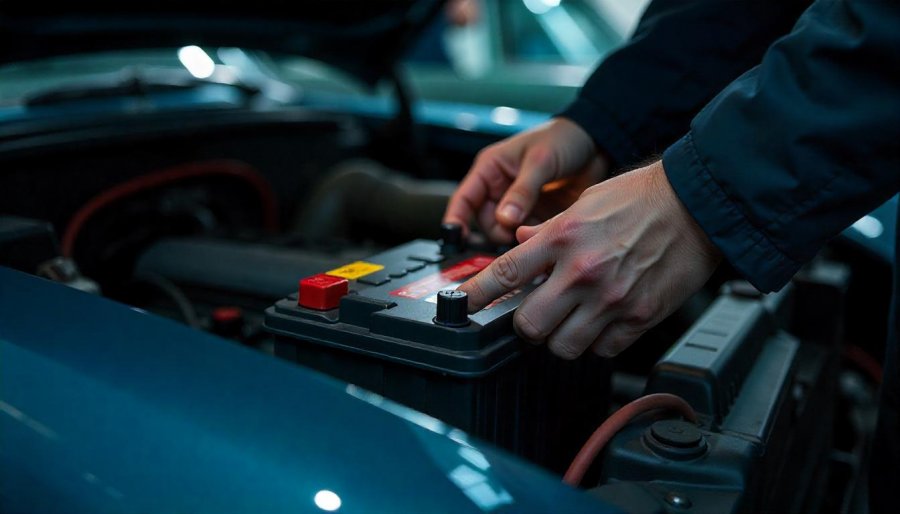
To keep your car’s battery in top shape, routine maintenance is essential but straightforward. Regularly inspecting the terminals for corrosion is one of the simplest yet most effective steps you can take. Corrosion appears as a white, bluish, or greenish powder around the connection points, which can hinder electrical flow and cause starting issues. Cleaning these terminals is easy—mix a small amount of baking soda with water, use a brush or cloth to scrub away the buildup, then rinse with clean water. Afterward, tighten the clamps securely to ensure a solid connection. This quick task can prevent sluggish starts and save you from being stranded unexpectedly.
Next, visually examine the battery itself for any signs of damage. Cracks, leaks, or swelling indicate deterioration that needs immediate attention. Damage like this often results from extreme temperatures or age and can lead to sudden failure. Catching these signs early allows you to replace the battery before it leaves you stuck in inconvenient or dangerous situations. A simple visual check is a small effort with significant benefits, giving you peace of mind and reducing the risk of roadside breakdowns.
Testing the battery’s charge level regularly is equally important. Using a multimeter or visiting an auto parts store for a free test can give you a clear picture of your battery’s health. A fully charged, healthy battery should read around 12.6 volts with the engine off. Readings significantly lower suggest the battery is losing its capacity, signaling it might be time for a replacement. Routine testing helps you address potential problems before they escalate, especially during cold weather or after long periods of inactivity, when batteries tend to drain faster.
Keeping the area around your battery clean and free of dirt and debris also supports its longevity. Dirt and moisture promote corrosion, which can accelerate wear and hamper electrical connections. Regularly wiping down the battery and its tray is a quick way to prevent buildup and improve airflow. This habit is particularly valuable in humid or salty environments, where corrosion tends to develop more rapidly. A clean battery not only lasts longer but also functions more reliably, ensuring your vehicle’s electrical systems stay in good working order.
During winter or if your car remains unused for days or weeks, employing a battery maintainer or trickle charger can make a big difference. These devices prevent the battery from discharging completely, especially in cold temperatures, which are tough on batteries. Connecting a maintainer during extended periods of inactivity helps keep the charge steady, avoiding deep discharges that can damage the battery or shorten its lifespan. This small investment ensures your vehicle is always ready to start, even after sitting idle for a while, saving you the hassle of a dead battery when you’re eager to hit the road.
Beyond visual inspections and cleaning, paying attention to how your vehicle responds provides important clues about your battery’s condition. Dimming headlights, sluggish engine starts, or warning lights on the dashboard are often signs that the battery is weakening. Addressing these symptoms early can prevent more serious issues down the line. Regularly monitoring your car’s performance and acting promptly helps avoid roadside emergencies and costly repairs, ensuring that your vehicle remains dependable no matter the circumstances.
Incorporating these simple practices into your routine doesn’t require much time but yields significant benefits. Regularly inspecting and cleaning terminals, testing the charge, and being alert to your vehicle’s signals become second nature over time. These habits help you avoid unexpected breakdowns and keep your car running smoothly. The effort is small, but the peace of mind and reliability you gain are well worth it. Maintaining your battery proactively ensures a more worry-free driving experience, letting you focus on the road ahead instead of potential breakdowns.
Ultimately, caring for your car battery is about more than just starting your engine. It’s about supporting your vehicle’s entire electrical system and ensuring everything—from headlights to sensors—works seamlessly. Making battery maintenance a regular part of your vehicle care routine helps prevent surprises and extends the lifespan of this vital component. With just a few quick checks and simple steps, you can keep your vehicle dependable and ready to go whenever you need it. This small investment in routine maintenance pays off in confidence, safety, and fewer roadside emergencies, making worry-free driving a reality.
Embrace Cutting-Edge Technologies for Smarter Battery Maintenance and Lasting Performance
Modern battery maintenance is evolving quickly thanks to technological advancements that make caring for your vehicle’s power source easier and more effective than ever before. Today’s diagnostic tools are sharper, more user-friendly, and deliver real-time insights into your battery’s health. With just a quick glance, drivers can see voltage levels, charge status, and overall condition, allowing for early detection of potential issues before they turn into roadside failures. Many of these tools connect seamlessly to smartphones, transforming what used to be a mechanic’s task into an accessible, at-your-fingertips process. This shift toward instant, data-driven diagnostics helps prevent unexpected breakdowns and reduces repair costs, making maintenance more proactive and less disruptive.
In addition to handheld testers, vehicles now often come equipped with built-in sensors that monitor battery health continuously. These sensors communicate directly with the car’s onboard computer, providing alerts through dashboard messages or infotainment screens when your battery needs attention. This proactive approach means you’re less likely to be caught off guard by a dead battery. It also helps ensure your vehicle’s electrical systems, from headlights to sensors, operate smoothly—especially during extreme weather conditions where batteries are most vulnerable. Drivers can now focus on the road, confident that their vehicle is actively monitoring its own health and warning them well in advance of potential failures.
Software innovations further enhance maintenance routines. Many automakers offer dedicated apps that connect directly to your vehicle’s diagnostic system, providing detailed insights into battery health right on your smartphone. These apps often log historical data, showing how your battery’s condition changes over time. With this information, you can plan replacements or service appointments before trouble arises. This level of monitoring shifts vehicle upkeep from reactive to preventive, giving you control and peace of mind. It’s no longer about guessing or waiting for symptoms; now, you can stay ahead of problems with minimal effort.
Predictive analytics are also becoming a key part of modern battery management. These systems analyze patterns in electrical performance—like starting power, charging behavior, and temperature effects—to forecast when your battery might fail. By identifying subtle signs of deterioration early, they enable preventive measures that can extend your battery’s lifespan. This data-driven approach means fewer surprises on the road, saving you time, money, and stress. As these analytics grow more sophisticated, they will increasingly integrate into vehicles seamlessly, ensuring your battery remains healthy with minimal manual intervention.
The development of solid-state batteries promises to change the game even further. These batteries are more resistant to temperature extremes and physical wear, which are major causes of failure in traditional models. They offer faster charging times, higher energy density, and longer life spans, especially beneficial for electric vehicles. As manufacturers refine this technology and bring it to market, the need for frequent maintenance and replacements could diminish significantly. Instead, the focus will shift toward smart monitoring systems that keep these advanced batteries performing at their best, reducing the effort required to maintain peak condition.
Wireless diagnostic tools and remote monitoring are transforming how we care for vehicle batteries. Today’s systems can send alerts directly to your smartphone if your battery shows signs of weakening, often with actionable advice. Some solutions even enable remote diagnostics, allowing technicians to assess your battery without a physical inspection. This automation minimizes human error and ensures you’re alerted promptly, even if you’re unaware of a problem until it causes a breakdown. These innovations make vehicle care more efficient, fitting naturally into busy lifestyles and reducing the inconvenience of unexpected failures.
All these trends point toward a future where maintaining your vehicle’s battery is less about guesswork and more about harnessing data and technology. Smarter sensors, integrated software, and predictive analytics work together to help you stay ahead of issues—potentially prolonging your battery’s life and boosting overall reliability. This progress not only offers peace of mind but also simplifies routine upkeep, making worry-free driving more accessible. As these innovations continue to develop, they promise to keep your car starting reliably and performing optimally with less effort on your part, ensuring your vehicle stays ready whenever you need it.