




Transforming Toronto yards into captivating outdoor retreats involves blending aesthetics, sustainability, and personalized design. How can homeowners achieve this delicate balance amid Toronto’s seasonal extremes? This guide explores how thoughtful landscape planning integrates native plants, eco-friendly materials, and innovative features like outdoor kitchens and lighting to create resilient, inviting spaces. Emphasizing harmony, scale, and flexibility, it reveals how sustainable practices support local ecosystems while reducing maintenance. From initial site assessments to installation and ongoing care, every step is crucial in crafting a durable, beautiful sanctuary that enhances daily life and property value. What does the future hold for sustainable outdoor living in Toronto? With advancements in technology and eco-conscious materials, landscapes are evolving into adaptive, climate-resilient environments that support biodiversity and urban sustainability. This evolving landscape invites homeowners and designers alike to envision outdoor spaces that are not only visually stunning but also environmentally responsible, ensuring these retreats thrive for generations to come.
Transform Your Toronto Yard into a Personal Outdoor Sanctuary
Transforming a dull backyard into a beautiful outdoor retreat has become a top priority for many homeowners in Toronto. As urban spaces shrink and green areas become more valuable, creating outdoor environments that are both visually appealing and functional is more important than ever. A well-designed landscape doesn’t just boost curb appeal; it offers a personal sanctuary where families can unwind, friends can gather, and homeowners can enjoy nature right outside their door. Achieving this balance requires thoughtful planning that considers Toronto’s unique climate, environmental impact, and the individual preferences of each client.
Understanding what homeowners envision for their outdoor spaces is the first step. Some aim for lush gardens with native plants that support local ecosystems, while others prefer sleek, modern patios designed for entertaining. Listening closely to these dreams helps shape a landscape that truly fits their lifestyle. Incorporating client feedback throughout the process builds trust and ensures the final result feels personalized and meaningful.
Assessing site conditions is equally crucial. Toronto’s climate—marked by cold winters, hot summers, and seasonal fluctuations—demands careful plant selection and material choices. Factors like soil quality, sunlight exposure, drainage, and wind patterns influence what will thrive. Early evaluation of these elements allows designers to craft outdoor spaces that are resilient, sustainable, and capable of providing enjoyment year-round.
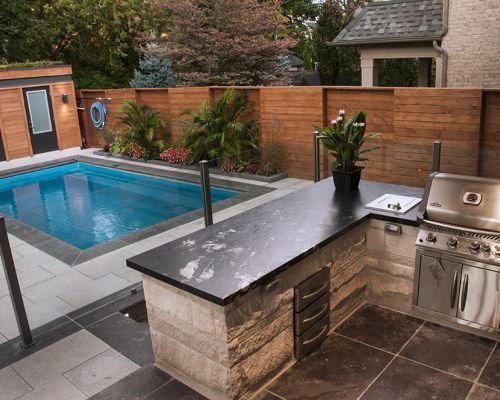
Transforming a yard goes beyond planting flowers or laying stones. It’s about blending aesthetics with practicality—adding features like outdoor kitchens, fire pits, water elements, and lighting that enhance usability. Prioritizing eco-friendly practices, such as native plants and sustainable materials, not only reduces maintenance but also minimizes environmental impact. The goal is to create a space that feels inviting, responsible, and seamlessly integrated into daily life.
When approached with care, landscape transformation becomes more than just a visual upgrade; it’s an investment in your home’s future. With the right planning, design, and execution, Toronto homeowners can turn overlooked patches of land into personal retreats—spaces that are beautiful, durable, and tailored to their needs. These outdoor sanctuaries enrich everyday routines, foster a deeper connection with nature, and add lasting value to the property.
Core Principles to Craft Cohesive and Inviting Outdoor Spaces
Creating an outdoor retreat that feels both inviting and cohesive depends on understanding some fundamental design principles. Harmony is at the core of good landscape design; every element—from plants to hardscape features—should work together to craft a unified look. This doesn’t mean everything has to match perfectly, but rather that the overall vibe is balanced and intentional. When plants, furniture, lighting, and structural elements complement each other, the space feels thoughtfully curated rather than haphazard.
Scale and proportion are equally important. Your yard’s features need to relate well to its size. Oversized furniture in a small patio can feel cramped, while tiny plants in a large garden might seem lost. Paying attention to proportions ensures each element enhances the space without overwhelming it, creating an environment that encourages natural flow and comfort. Striking this balance makes the yard more inviting and easier to use.
Sustainability plays a growing role in landscape design. Selecting native plants adapted to Toronto’s climate means less watering, fewer fertilizers, and reduced maintenance. These resilient plants thrive through seasonal changes, maintaining vibrancy with minimal intervention. Incorporating eco-friendly materials—such as recycled stone or reclaimed wood—adds character while supporting green practices. Together, these choices foster landscapes that are both beautiful and environmentally responsible.
Design flexibility is vital for an outdoor space that adapts to evolving needs. Movable planters, modular furniture, and multi-use zones allow homeowners to reconfigure their yard for different occasions or as lifestyles change. For example, a corner designated for dining can double as a play area, making the yard more versatile and future-proof. This adaptability ensures the outdoor retreat remains functional year after year.
Lighting is the final touch that shapes mood and safety. Layered lighting—using path lights, spotlights, and string lights—guides movement and highlights key features. Proper illumination extends usability into the evening, creating a warm, welcoming atmosphere that encourages relaxation and socializing. Thoughtful lighting design ties all elements together, giving the space a cohesive, inviting feel.
Texture and color add depth and personality. Combining lush greenery, vibrant flowers, and varied hardscape materials prevents visual flatness. A mix of smooth stone, textured wood, and lively plantings invites exploration and linger. These details reflect personal style while enhancing harmony, making the yard uniquely yours. They also create visual interest that keeps the space lively and engaging.
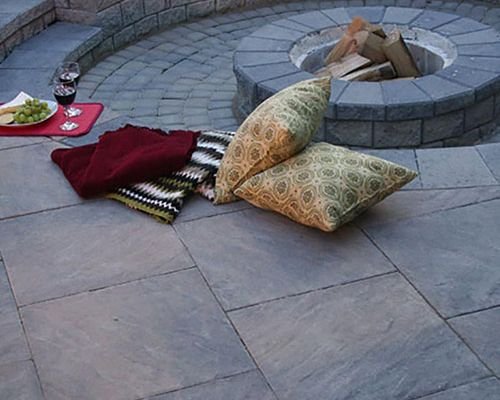
Finally, an effective landscape design aligns with your lifestyle. Whether you want a quiet nook for reading, a cozy fire pit for gatherings, or an outdoor kitchen for entertaining, every element should serve a purpose. Thoughtful planning ensures your backyard isn’t just beautiful but also practical, fitting seamlessly into daily routines. When these principles are applied with care, your yard transforms into a stunning, sustainable retreat—an extension of your home that enriches everyday life.
Native Plants and Eco-Friendly Practices for a Resilient Landscape
Using native plants and understanding Toronto’s climate are essential steps toward creating landscapes that are both beautiful and sustainable. Native species have evolved alongside the city’s temperature swings, soil conditions, and seasonal weather patterns, making them naturally suited to thrive here. Choosing these plants means less watering, fewer fertilizers, and minimal chemical interventions, which not only cuts maintenance costs but also reduces environmental impact. Additionally, native plants support local ecosystems by providing vital habitats for birds, bees, butterflies, and other pollinators, enriching the yard’s biodiversity.
Toronto’s cold winters and hot summers can be challenging for non-native plants, often requiring extensive care to survive seasonal extremes. In contrast, native species are built to resist frost, drought, and heavy rains, ensuring your landscape stays vibrant throughout the year with minimal effort. This resilience translates into landscapes that are more durable and easier to maintain over time, offering long-term savings and peace of mind. Incorporating these plants helps create a landscape that is both resilient and eco-friendly, standing up to the city’s environmental challenges.
Beyond plant choices, sustainable practices like rain gardens, permeable pavements, and water harvesting further enhance eco-friendly landscapes. Rain gardens absorb runoff and filter pollutants, reducing strain on municipal stormwater systems and preventing erosion. Permeable surfaces allow water to seep naturally into the ground, helping manage Toronto’s seasonal rainfall and minimizing flood risks. These features work together to create a landscape that not only looks good but also actively supports water conservation and environmental health.
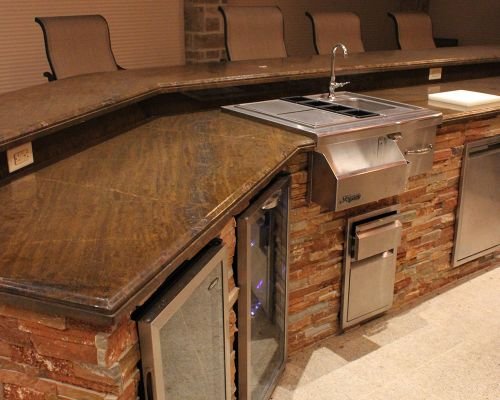
Eco-conscious materials such as recycled stone, reclaimed wood, and permeable pavers complement native planting and water-smart features. These materials reduce environmental impact while adding texture and character to the landscape. When combined with native plants and water management strategies, they form a resilient, sustainable outdoor space that aligns with broader environmental goals and ensures long-lasting beauty.
Maintaining a landscape rooted in native plants and sustainable practices becomes simpler and more cost-effective over time. These plants thrive with minimal watering and chemical inputs, requiring less pruning and upkeep. Their adaptability to local conditions means they flourish with little intervention, allowing homeowners to enjoy a lush yard without the ongoing effort associated with high-maintenance, non-native landscapes. This approach not only benefits the environment but also offers peace of mind, knowing your outdoor space is built to last.
Ultimately, integrating native plants and eco-friendly practices creates a landscape that balances beauty with responsibility. It’s about designing outdoor spaces that withstand Toronto’s seasonal extremes while supporting local ecosystems. By choosing resilient, low-impact solutions, homeowners can enjoy vibrant, sustainable yards that require less work and fewer resources, making every outdoor moment more enjoyable and environmentally sound.
Step-by-Step Guide to Planning and Executing Your Landscape Makeover
Transforming a Toronto backyard into a stunning outdoor retreat starts with thorough planning. Begin by assessing the unique features of your space—soil quality, sunlight exposure, drainage, and existing structures. This initial step helps identify potential challenges and opportunities, ensuring your design is rooted in practicality. A detailed site analysis allows you to select suitable plants, materials, and layout options that work seamlessly together, setting a strong foundation for your project.
Once you understand your site, translating your ideas into a clear, workable plan is essential. Creating detailed sketches or digital visualizations helps you visualize how different elements will come together. This process makes it easier to spot and address issues early, saving time and money later. Incorporating sustainable features, like native plants and permeable surfaces, at this stage ensures your landscape aligns with eco-friendly goals from the start.
Sourcing the right materials and scheduling work carefully can make or break your project. Focus on durable, eco-conscious options such as recycled pavers, reclaimed wood, and weather-resistant furnishings. Planning your installation during Toronto’s drier months minimizes delays and protects your investments. Working with experienced contractors who understand local conditions helps ensure the project progresses smoothly and stays true to your vision.
During installation, close supervision and clear communication are vital. Regular site visits and ongoing dialogue with your contractors help catch issues early and keep everything on track. Be prepared to make adjustments—whether repositioning a plant or refining a hardscape detail—to ensure the final outcome matches your expectations. This collaborative approach builds confidence and results in a landscape that feels authentic and well-crafted.
Engaging actively throughout the process fosters trust and clarity. Regular updates, photos, and meetings keep you informed and involved, making the journey enjoyable rather than stressful. Transparent discussions about costs and timelines prevent surprises, allowing you to focus on the excitement of seeing your outdoor space come to life.
As your landscape takes shape, finishing touches like layered lighting, decorative accents, and carefully chosen furniture add personality and functionality. Thoughtful lighting not only highlights key features but also extends usability into the evening, creating a warm, inviting atmosphere. These details transform your yard into a true outdoor retreat—perfect for relaxing, entertaining, or simply enjoying nature.
Even after installation, ongoing maintenance is key to preserving your landscape’s beauty and sustainability. Regular watering of native plants, seasonal pruning, and timely adjustments keep your yard vibrant year-round. With proper care and attention, your thoughtfully designed outdoor space will remain a durable, beautiful sanctuary that continues to grow more inviting over time.
Emerging Trends Shaping Toronto’s Future Outdoor Environments
The future of landscape design in Toronto is increasingly driven by innovative technologies and a growing focus on environmental resilience. Smart systems, such as automated irrigation and weather-responsive lighting, are making outdoor maintenance simpler and more efficient. These tools help reduce water and energy use, making sustainable landscapes more manageable for homeowners. As climate challenges become more complex, integrating these solutions will be key to creating adaptive, eco-friendly outdoor retreats.
Materials are evolving too. Permeable pavers, recycled aggregates, and eco-friendly decking options are gaining popularity for their stormwater management benefits and durability. These choices help combat the urban heat island effect and prepare landscapes to withstand unpredictable weather patterns. Native plants will remain central, offering resilience against seasonal extremes and supporting local ecosystems, while reducing the need for chemical inputs and intensive maintenance.
Flexibility will be a hallmark of future outdoor spaces. Modular, reconfigurable elements like movable planters, multi-purpose zones, and adaptable seating will allow homeowners to customize their yards as their needs change. This versatility supports year-round use, whether for entertaining, relaxation, or family activities. Technology, such as climate sensors and integrated entertainment systems, will further embed outdoor spaces into modern, connected lifestyles.
Designers are also focusing on creating climate-resilient landscapes that promote biodiversity. Incorporating native plants, water-smart features, and sustainable materials helps manage seasonal extremes while supporting pollinators and local wildlife. These strategies foster environments that are both beautiful and durable, ensuring outdoor spaces remain vibrant and ecologically balanced despite changing climate conditions.
Staying ahead in landscape design means embracing ongoing learning and industry innovation. Attending conferences, webinars, and collaborating with native nurseries and eco-conscious suppliers allows professionals to incorporate the latest sustainable materials and smart solutions. This continuous evolution ensures Toronto’s outdoor spaces will become even more environmentally responsible and personalized, aligning with broader urban sustainability goals.
As technology advances, the integration of smart systems and eco-friendly materials will transform outdoor spaces into extensions of the home—responsive, efficient, and deeply personalized. Future landscapes will be more adaptable, supporting a seamless transition between seasons and activities. They’ll serve as sustainable retreats that not only enhance property value but also contribute positively to Toronto’s urban ecosystem.
In this evolving landscape, resilience and innovation go hand in hand. Designers and homeowners alike will prioritize landscapes that are not only visually stunning but also environmentally supportive. Embracing these trends now sets the stage for outdoor retreats that are sustainable, functional, and uniquely suited to Toronto’s dynamic climate, ensuring these cherished outdoor spaces will thrive for generations to come.