




Nylon, a synthetic marvel of modern convenience, is woven into our daily lives—from clothing to industrial materials. But at what environmental cost? Produced through energy-intensive processes reliant on fossil fuels, nylon’s manufacturing releases harmful pollutants and greenhouse gases that accelerate climate change. Its durability means discarded nylon persists in landfills for centuries, while microfibers shed during washing infiltrate oceans, threatening marine life and entering the human food chain. As demand grows, so does the pollution—raising critical questions about sustainability and ecological impact. Can innovation and responsible practices redefine nylon’s future? Exploring greener alternatives, such as recycled or bio-based fibers, offers hope, but industry-wide change and consumer awareness are essential. Will we continue to prioritize convenience over conservation, or will we embrace solutions that safeguard our planet for generations? Understanding nylon’s hidden environmental toll compels us to rethink our relationship with this ubiquitous synthetic fiber.
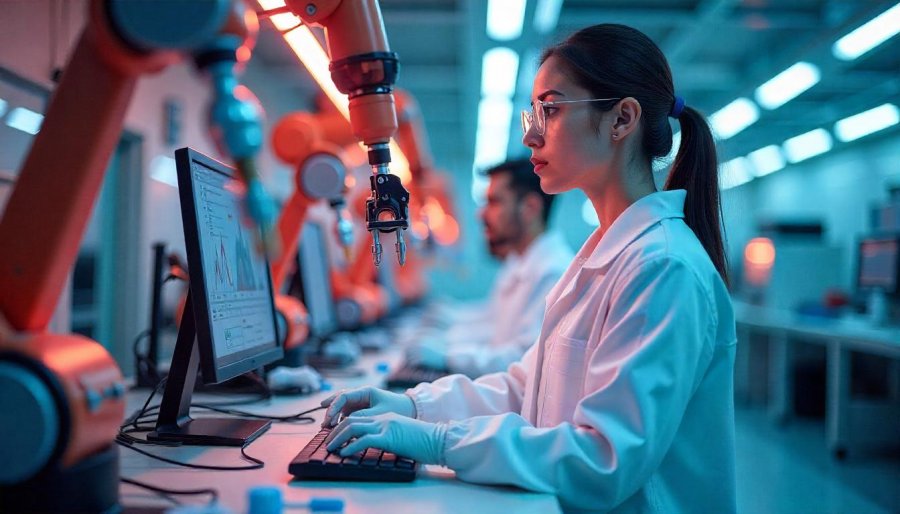
Nylon’s Rise: A Synthetic Marvel with Environmental Costs
Nylon is one of the most recognizable synthetic fibers in the world today. It’s everywhere—from the clothes we wear and the carpets under our feet to sports gear and industrial components. Since its invention in the 1930s, nylon revolutionized manufacturing by offering a durable, elastic, and affordable alternative to natural fibers like silk and cotton. Its strength and versatility quickly made it a staple across various industries, opening up new possibilities for design, production, and everyday use.
At its core, nylon is created through a process called polymerization, which transforms raw petrochemicals into long, chain-like molecules. The most common type, nylon 6,6, results from reacting chemicals like hexamethylenediamine with adipic acid. These chemicals undergo a condensation reaction, combining to form extended polymer chains while releasing water as a byproduct. Once formed, these polymers are melted and spun into filaments that can be woven into fabrics or used in countless industrial applications.
However, the manufacturing process isn’t just complex; it’s energy-intensive and heavily reliant on fossil fuels. Extracting and refining oil and natural gas—the raw materials for nylon—consume vast resources and emit significant greenhouse gases. High temperatures needed for polymerization and fiber spinning demand large amounts of energy, often resulting in emissions of carbon dioxide and other pollutants. This dependence on non-renewable resources makes nylon production a notable contributor to environmental degradation.
The environmental concerns extend beyond production. Nylon’s resistance to biodegradation means that discarded items can persist in landfills for hundreds of years, contributing to the global plastic waste crisis. As we use more nylon-based products, the accumulation of long-lasting waste becomes an increasing challenge. Moreover, nylon fibers shed microplastics during washing, which infiltrate waterways and oceans, harming marine life and entering the food chain.
Understanding how nylon is made and the ecological footprint it leaves behind reveals a complex trade-off. While it offers undeniable benefits in durability and affordability, its environmental costs—resource depletion, pollution, and waste—are significant. Recognizing these impacts encourages consumers, industries, and policymakers to seek greener alternatives and adopt more sustainable practices.
In short, nylon’s widespread presence is a testament to its practicality, but it also underscores the urgent need to reevaluate our reliance on synthetic fibers. As demand continues to grow, the challenge lies in balancing technological progress with environmental responsibility, pushing for innovations that can reduce nylon’s ecological footprint without sacrificing its utility.
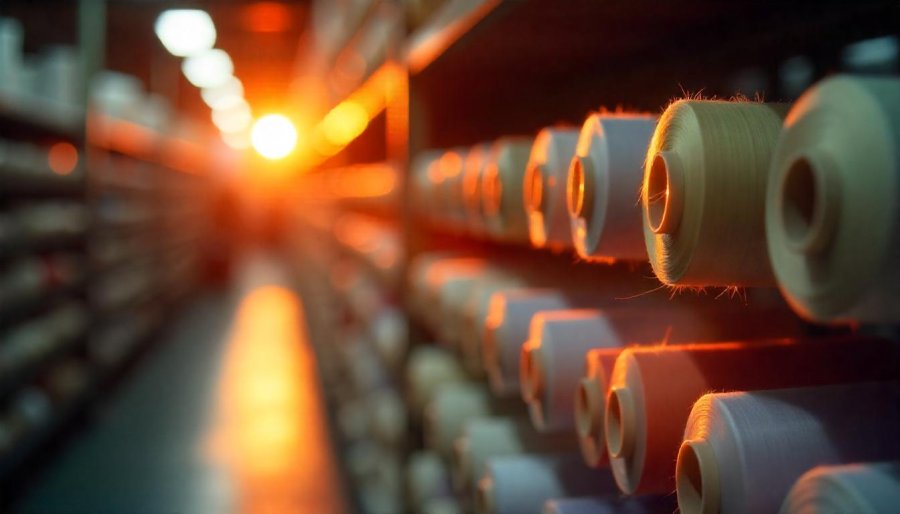
Inside Nylon: The Chemistry and Challenges of Its Manufacturing Process
Nylon is produced through a chemical process known as polymerization, which transforms raw petrochemicals into the long, chain-like molecules that form the fibers we see in countless products. The most common type, nylon 6,6, is created by reacting chemicals such as hexamethylenediamine with adipic acid. These reactants undergo a condensation reaction, where they combine to form extended polymer chains while water is released as a byproduct. Once synthesized, these polymers are melted and spun into fine filaments that can be woven into fabrics or used in various industrial applications.
This manufacturing process is energy-intensive and heavily dependent on fossil fuels. Extracting and refining oil and natural gas—the raw materials for nylon—requires vast resources and emits significant greenhouse gases. The high temperatures needed for polymerization and fiber spinning demand large amounts of energy, often resulting in the release of carbon dioxide and other pollutants. This reliance on non-renewable resources makes nylon production a notable contributor to environmental degradation, from greenhouse gas emissions to air and water pollution.
The chemical reactions involved in nylon synthesis also generate waste and byproducts that must be managed carefully. During production, volatile organic compounds and chemical residues can escape into the environment if not properly contained, leading to air and water contamination. Managing these wastes is crucial to prevent ecosystem harm and health risks to nearby communities. Despite advances in technology, the chemical-intensive nature of nylon manufacturing remains a significant environmental concern, highlighting the hidden costs behind its widespread use.
Efforts are underway to develop more sustainable methods of production. Researchers are exploring bio-based feedstocks—plant-derived chemicals that could replace traditional petrochemicals—and innovations in catalysis and process efficiency aim to lower energy consumption and waste. Some companies are experimenting with closed-loop systems that recycle solvents and byproducts, reducing chemical waste and emissions. While these approaches are still emerging, they represent important steps toward greener nylon manufacturing practices.
Despite these innovations, the core challenge persists: nylon production continues to rely on energy-intensive processes and finite resources. Its dependence on petrochemicals and the associated environmental costs—from resource depletion to chemical pollution—are substantial. As global demand for nylon rises, advancing sustainable practices and adopting cleaner technologies are essential. Understanding these foundational processes underscores the importance of ongoing innovation and responsible production to mitigate nylon’s environmental footprint.
The Hidden Toll: Nylon’s Environmental Impact from Production to Pollution
The environmental footprint of nylon extends well beyond its manufacturing process, casting a shadow over ecosystems and communities worldwide. As a synthetic fiber derived from petrochemicals, its production releases a variety of harmful chemicals and greenhouse gases that contribute significantly to air and water pollution. During manufacturing, high-temperature chemical reactions involving ingredients like adipic acid and hexamethylenediamine often emit volatile organic compounds and other pollutants. When not properly controlled, these emissions can escape into the environment, contaminating nearby air, water sources, and soil, and posing health risks to both wildlife and humans.
Nylon’s dependence on fossil fuels intensifies its ecological impact. Extracting and refining oil and natural gas—the raw materials for nylon—are resource-intensive activities that disrupt habitats, degrade soil quality, and generate substantial air pollution. These processes emit large amounts of greenhouse gases, notably carbon dioxide, fueling climate change. From resource extraction to chemical synthesis, each step consumes vast energy and resources, underscoring nylon’s significant environmental costs.
Once produced, nylon’s durability becomes a double-edged sword. Its resistance to biodegradation means that discarded nylon items can persist in landfills for hundreds of years, contributing to the mounting plastic waste crisis. This long-lasting presence in waste sites and natural environments exacerbates pollution, especially as consumer demand for nylon-based products continues to grow. The difficulty of recycling and managing nylon waste further compounds the problem, allowing plastics to accumulate and persist in ecosystems.
A particularly troubling aspect of nylon pollution involves microfibers shed during washing. Nylon textiles release tiny fibers that easily escape wastewater treatment systems, ending up in oceans and lakes. These microplastics are too small to be filtered out, and they infiltrate marine environments, where they are ingested by a range of aquatic species—from plankton to whales. This ingestion can cause physical harm and disrupt reproductive systems, threatening biodiversity and the stability of marine food webs. The presence of nylon microfibers in seafood also raises concerns about human health, highlighting the pervasive reach of this pollution.
Nylon’s contribution to microplastic pollution extends further as these tiny fibers fragment into even smaller particles that persist in the ocean for decades. Marine animals mistake these microplastics for food, leading to physical injuries, reproductive issues, and even death. Over time, these particles move up the food chain, affecting larger species and ultimately humans. The ongoing accumulation of nylon microfibers in marine environments compromises biodiversity and hampers conservation efforts aimed at protecting ocean health.
Addressing the environmental challenges posed by nylon requires a shift in how we produce, use, and dispose of this material. Innovations like chemical recycling, which breaks nylon back into raw materials, can reduce waste and lessen reliance on virgin fossil fuels. Developing biodegradable fibers or sourcing renewable alternatives offers promising pathways to lessen nylon’s ecological footprint. Meanwhile, consumers play a vital role by supporting sustainable brands, reducing unnecessary purchases, and ensuring proper disposal of nylon products to prevent environmental leakage.
Ultimately, transforming nylon’s lifecycle from resource extraction to waste management is essential for reducing its ecological impact. Industry leaders must adopt cleaner production technologies and prioritize sustainability, while policymakers can implement regulations that incentivize recycling and innovation. As awareness grows, a circular economy approach—where nylon is designed for reuse, recycling, or biodegradation—becomes increasingly feasible. Only through concerted effort across all levels can we curb nylon’s environmental toll and protect the health of our planet for future generations.
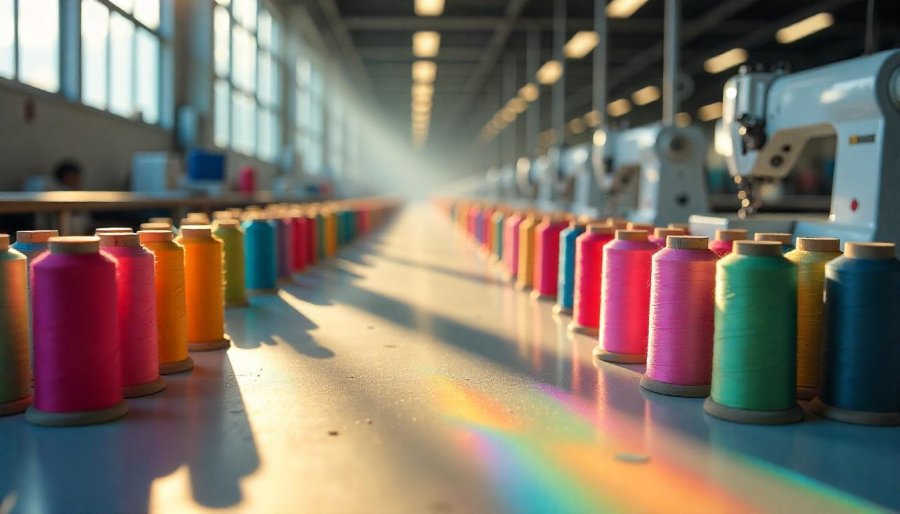
Path to Sustainability: Strategies for Reducing Nylon’s Ecological Footprint
Reducing the environmental impact of nylon means moving beyond simply understanding its problems to actively implementing solutions. Innovations in sustainable materials, such as bio-based fibers and recycled nylon, show promise in reducing reliance on fossil fuels and cutting pollution. These alternatives can deliver the durability and versatility nylon is known for while significantly lowering chemical waste and energy consumption. Supporting research and development, along with policies that incentivize green practices, will accelerate the shift toward more eco-friendly manufacturing.
Manufacturers have a crucial role in this transformation. Investing in cleaner production technologies, like closed-loop recycling systems and green chemistry, can drastically cut chemical waste and greenhouse gas emissions. As these technologies become more affordable and accessible, more companies will adopt sustainable practices, making industry-wide change feasible. Such upgrades not only benefit the environment but can also reduce costs in the long run, aligning profitability with responsibility.
Consumers hold significant power to influence this shift. By choosing brands committed to sustainability, opting for products made from recycled or natural fibers, and reducing unnecessary consumption, individuals can drive demand for greener options. Proper disposal and recycling of nylon items, especially textiles, help close the loop and prevent long-term pollution. Raising awareness about nylon’s environmental costs encourages more mindful consumption, fostering a culture of responsibility that extends beyond individual choices.
Policy frameworks will play a vital role in shaping industry and consumer behaviors. Stricter regulations on emissions, waste management, and chemical use can push factories toward cleaner operations. Incentives for recycling programs and the development of biodegradable alternatives can further promote sustainable innovation. International cooperation amplifies these efforts, ensuring that nylon’s environmental footprint is addressed globally, particularly concerning microplastic pollution and climate change.
Adopting a circular economy approach offers a practical path forward. Designing nylon to be reused, recycled, or biodegradable reduces dependence on virgin resources and minimizes waste. Establishing clear standards for recyclability and biodegradability, alongside consumer education, makes this transition more achievable. Collaboration among industries, governments, and individuals is essential to embed these principles into everyday practices, reshaping how we produce, use, and dispose of nylon.
The journey toward a more sustainable future involves continuous innovation and responsible choices. It’s about balancing our material needs with environmental health, recognizing that each decision impacts ecosystems and public health. By fostering a mindset of stewardship and supporting technological advancements, we can lessen nylon’s ecological toll without sacrificing the benefits it provides. Changing our relationship with this material requires collective effort but promises a healthier planet for generations to come.