Learning to ride a bike is more than a childhood milestone; it’s a profound journey of courage, resilience, and family bonding. As children wobble, fall, and eventually master balance and independence, they develop confidence that extends far beyond the pedals. This process teaches patience, persistence, and self-trust—traits that shape their approach to life’s challenges. Parents and siblings become crucial supporters, turning the milestone into shared memories rich with encouragement and pride. But does the fear of falling outweigh the thrill of freedom? Amidst the wobbling and setbacks, children learn that setbacks are stepping stones, transforming doubt into determination. Beyond physical skills, riding a bike becomes a symbol of resilience and independence, fostering emotional growth and lifelong confidence. How many small falls lead to big leaps of self-belief? The answer lies in the joyful, supportive journey toward mastery, where every pedal stroke amplifies courage and trust.
Celebrating the Milestone of Learning to Ride a Bike and Its Family Bonds
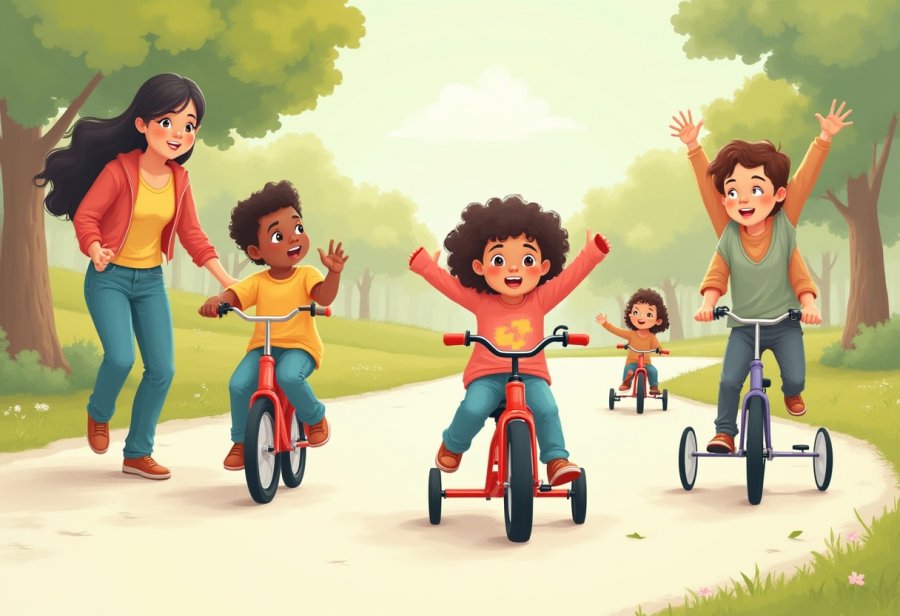
Learning to ride a bike is more than just a childhood milestone; it’s a moment that captures growth, independence, and family connection all at once. Those first shaky wobbles and tentative pedals mark a turning point—signaling that a child is beginning to explore the world beyond their immediate reach. It’s a skill that opens doors to adventure, fostering a sense of freedom that kids carry with them for years to come.
For families, teaching a child to ride often becomes a shared journey filled with patience, encouragement, and small victories. Parents might jog alongside, offering steadying hands or words of reassurance, while siblings cheer from the sidelines. These moments of collective effort aren’t just about bike skills—they create lasting bonds built on trust and support that extend far beyond the ride itself.
The emotional experience of learning to ride is just as powerful as the physical act. Children often feel a mix of excitement and fear—wobbles and falls are part of the process, not signs of failure. With gentle reassurance and a safe environment, they learn to see setbacks as stepping stones toward mastery. Celebrating tiny wins, like balancing for a few seconds or pedaling a short distance, gradually builds their confidence, encouraging them to try again.
Beyond the physical skills, riding a bike teaches resilience and patience. Progress might be slow at first, but each small success reinforces the idea that persistence pays off. Overcoming fears and mastering balance become symbols of resilience, shaping their attitude toward challenges in other areas of life.
Creating the right environment makes all the difference. A flat, open space free of traffic and obstacles—like a park or an empty lot—provides a safe setting for children to practice. Properly fitted bikes and safety gear help them feel secure, boosting their confidence to explore and learn at their own pace. When children feel supported and safe, they’re more willing to take risks and enjoy the journey of learning to ride.
Ultimately, those first rides are more than just about mastering a skill—they’re about building independence, trust, and joyful memories. As children wobble, fall, and get back up, they learn resilience and self-trust that last a lifetime. Learning to ride a bike isn’t just a childhood achievement; it’s a foundational experience that shapes their confidence and bonds with loved ones in ways that endure long after the pedals start turning.
Building a Foundation: Equipment, Environment, and Step-by-Step Skills
Teaching a child to ride a bike starts with selecting the right equipment. A bike that comfortably fits their height and strength makes a big difference in building confidence. Safety gear—like helmets, knee pads, and elbow pads—should always be part of the package, giving kids a sense of security as they begin to explore. Once the gear and bike are sorted, finding a flat, open space free from traffic or obstacles becomes essential. Parks, empty parking lots, or quiet paths provide the ideal environment for practice, allowing children to focus on learning without distraction or danger.
Introducing basic movements early on helps set the stage. Demonstrating how to hold the handlebars, brake smoothly, and start pedaling gives children a clear picture of what’s ahead. Supporting them during their first attempts—by steadying the bike or guiding their balance—helps them feel secure and reduces anxiety. This hands-on support allows them to experience what it’s like to stay upright without the fear of falling, fostering a sense of control.
Breaking the learning process into manageable stages makes the task less daunting. Most kids begin by focusing on balancing, either on a balance bike or a regular bike with training wheels. Mastering balance lays the foundation for everything else. Once they’re comfortable staying upright, introducing pedaling becomes the next step. Supporting their feet or guiding their legs through the motion helps develop coordination and confidence, making the transition to independent riding smoother.
Steering naturally follows mastery of balance and pedaling. As children gain confidence, they start practicing gentle turns and navigating curves. Encouragement at this stage helps them trust their ability to control the bike’s direction. As their skills improve, reducing assistance gradually encourages independence, making each ride feel more natural and self-reliant.
Patience and positive reinforcement are crucial throughout. Kids will wobble, fall, and hesitate—that’s all part of learning. Celebrating small victories, like balancing for a few seconds or pedaling a short distance, keeps motivation high. Viewing setbacks as normal helps children develop resilience and a growth mindset, understanding that progress often comes through persistence rather than perfection.
As their confidence grows, children begin to ride longer distances and explore new terrains. Each success reinforces their sense of achievement and independence. Supportive encouragement, combined with a safe environment, turns initial fears into excitement. This gradual progression from hesitant wobbling to steady cycling builds not just skills, but also a lifelong love of riding.
Supporting a child’s journey to ride a bike involves more than just teaching technique; it’s about nurturing trust, resilience, and joy. By creating a positive, patient learning environment, parents help their children turn a challenging milestone into a moment of pride and independence. The process fosters not only physical skills but also emotional growth that lasts well beyond the first ride.
Unveiling the Psychology and Physical Dynamics of Learning to Ride
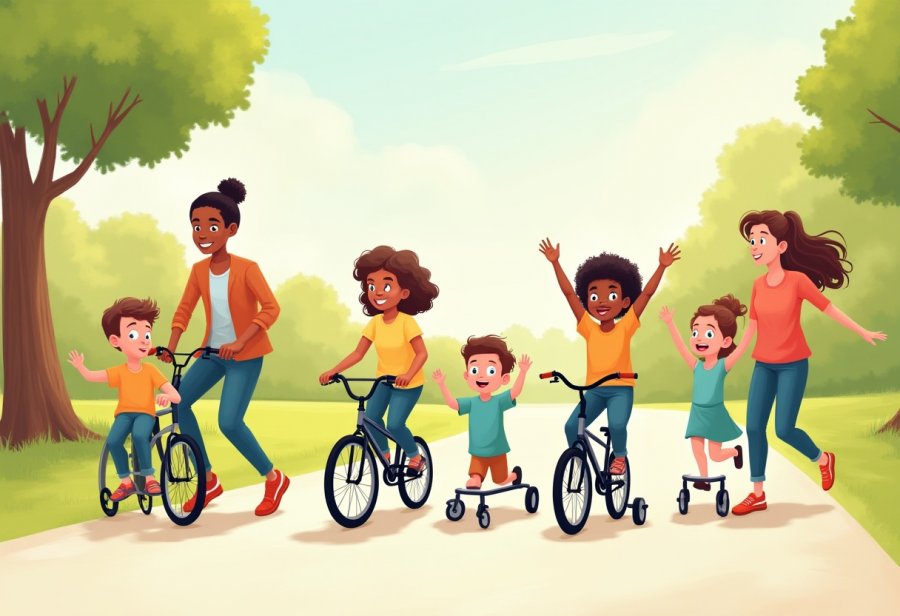
Learning to ride a bike involves more than just coordinating muscles; it’s a complex dance between physical and mental processes. Physically, developing balance, coordination, and muscle strength forms the foundation. Kids rely on sensory feedback—visual cues and proprioception—to understand how their body moves in space. Balancing is often the first challenge, but with consistent practice, these skills become more automatic, making the act of riding feel natural rather than forced.
Psychologically, confidence plays a crucial role in the learning process. When children believe they can succeed, they’re more willing to take risks and push through setbacks like wobbles or falls. A supportive environment filled with encouragement helps them see mistakes as part of growth, not failure. This resilience encourages them to keep trying, gradually building their self-trust as they master new skills.
Different children have varied learning styles that influence how quickly they pick up riding. Some are visual learners who benefit from watching demonstrations or diagrams, while others learn best through hands-on experience. Recognizing these differences allows caregivers to tailor their approach, whether that means showing videos or guiding movements directly. Personalizing the learning process makes it more engaging and less frustrating, fostering a positive attitude toward riding.
The emotional aspect of learning to ride is just as vital as the physical one. As children see their control grow—navigating around obstacles or riding longer distances—they develop trust in their abilities. This confidence shift transforms initial fears into excitement and pride. Each small victory, like balancing for a few seconds or pedaling without wobbling, reinforces their belief that they can overcome challenges through effort and persistence.
Resilience is reinforced through consistent support and patience. Children wobble, fall, and hesitate—that’s all part of the journey. Celebrating these moments as normal helps them see setbacks as opportunities rather than failures. When adults model patience and understanding, children learn to view mistakes as stepping stones, not obstacles, fostering a growth mindset that encourages perseverance.
Beyond the physical and emotional, mastering riding also shapes a child’s mindset. Success on two wheels becomes a symbol of their capability, inspiring confidence that extends into other areas of life. The process teaches that effort and persistence lead to progress, cultivating resilience and a positive attitude toward future challenges. It’s about more than just riding; it’s about building a foundation of self-trust and perseverance.
Support from parents and caregivers remains vital throughout. Gentle guidance, reassurance, and celebrating small successes help children stay motivated. Creating a safe space where they can experiment without fear accelerates their learning. As their skills improve, this trust in their physical and emotional abilities encourages them to take on new challenges with enthusiasm.
In the end, learning to ride a bike is a holistic journey. It weaves together physical coordination, psychological resilience, and emotional growth. When children learn to balance, pedal, and steer, they also learn that setbacks are just part of progress. This combination of skills and mindset not only helps them become confident riders but also sets the stage for a lifetime of facing challenges with courage and persistence.
Practical Strategies for Teaching Kids to Ride with Confidence and Joy
Teaching a child to ride a bike begins with choosing the right equipment. Select a bike that comfortably fits their height and strength to build confidence from the start. Safety gear—like a well-fitting helmet, knee pads, and elbow pads—should be non-negotiable, giving children reassurance as they begin to explore. Finding a flat, open space free from traffic and obstacles, such as a park or empty parking lot, provides a safe environment where kids can focus on learning without distractions or hazards.
Start by explaining what they’ll do and demonstrating basic movements. Show how to hold the handlebars, brake smoothly, and initiate pedaling. Clear, simple instructions help reduce anxiety and set a positive tone. Support your child during their initial attempts by steadying the bike or guiding their balance gently—this hands-on help allows them to experience the sensation of staying upright without fear, fostering trust in their abilities.
Once they’re comfortable balancing, introduce pedaling. Support their feet or guide their legs through the motion to develop coordination and confidence. Celebrate small victories, like a few seconds of balanced pedaling, as these moments build momentum. Gradually lessen your support as they gain control, encouraging independence and trust in their skills.
Next, focus on steering and turning. Practice gentle curves and stopping smoothly, emphasizing that wobbling or falling are normal parts of learning. Keep praise frequent and genuine to reinforce effort and resilience. Short, consistent practice sessions are more effective than long, infrequent ones, helping to reinforce muscle memory and confidence without overwhelming your child.
Throughout the process, maintain a calm, encouraging attitude. If frustration or hesitation arises, take a break and return later. Avoid pushing too hard or showing impatience, as this can heighten anxiety. Instead, celebrate every small step forward, helping your child view setbacks as part of growth rather than failures. Creating a positive, supportive environment makes learning enjoyable and increases the likelihood of progress.
As confidence grows, introduce new challenges like riding on different terrains or covering longer distances. These experiences deepen skills and foster trust, transforming initial wobbling rides into smooth, joyful cycling adventures. Remember, patience and consistent support are key. With each ride, your child’s independence and love for cycling will strengthen, turning a challenging milestone into a cherished memory.
The Emotional Triumphs and Life Lessons of Mastering the Bicycle
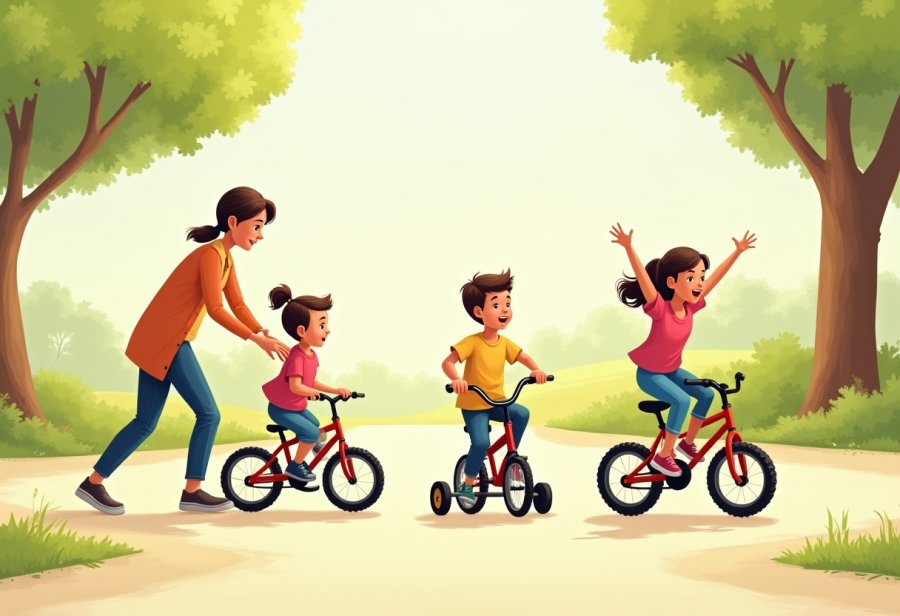
Mastering how to ride a bike goes beyond just acquiring a physical skill; it unlocks a deeper emotional and developmental growth in children. The journey from tentative wobbling to confident independence teaches resilience—each fall and wobble becomes a stepping stone rather than a failure. As kids push through their fears and experience success, they develop a sense of inner strength that extends well beyond the bike, shaping their attitude toward challenges in life.
Learning to ride also forges stronger family bonds. The shared moments of encouragement, patience, and celebration create memories that last a lifetime. Watching a child conquer something once intimidating sparks pride and deepens trust, reinforcing the idea that perseverance and support can turn obstacles into achievements. These experiences lay the groundwork for a resilient mindset and foster connection through shared effort.
Riding a bike becomes a powerful symbol of independence. When children pedal away on their own, they gain a visible sign of their growing confidence. This newfound freedom motivates them to explore more, try new things, and face future challenges with a positive outlook. The pride that comes from these small victories helps build a mindset that values effort, patience, and persistence—traits that will serve them throughout their lives.
The psychological benefits of learning to ride are just as significant as the physical ones. As children see their control improve—navigating around obstacles or riding longer distances—they trust their abilities more. This trust transforms fear into excitement and fosters a growth mindset, encouraging them to view setbacks as opportunities rather than failures. Each successful ride boosts their confidence, reinforcing that perseverance leads to progress.
The emotional strength gained from overcoming the initial fears of cycling helps children develop resilience and self-trust. These qualities empower them to face other challenges with courage and optimism. The sense of achievement from mastering the bike acts as a catalyst for their overall growth, fueling a positive attitude toward future endeavors. The skills and mindset they cultivate on two wheels become a foundation for their lifelong confidence.
The process also teaches children that effort matters. Mastery doesn’t happen overnight; it requires patience, persistence, and support. Seeing their own progress, no matter how small, reinforces the idea that perseverance pays off. This understanding encourages a resilient, can-do attitude that influences their approach to school, relationships, and new experiences.
Finally, these lessons in courage, patience, and resilience shape children into more confident, capable individuals. The challenges and triumphs of learning to ride create a legacy of self-belief and determination. They carry this confidence into every new challenge, knowing that setbacks are just part of the journey and that persistence will always lead to growth. Riding a bike becomes more than a skill—it becomes a symbol of their readiness to embrace life’s adventures with resilience and joy.