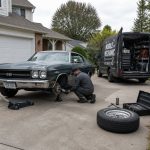




Imagine extending the life of your summer tires without sacrificing safety or performance—sounds ideal, but how? This guide reveals essential routines like regular tire pressure checks, rotation, and inspections that can dramatically improve tire longevity. Proper inflation, especially during hot months, isn’t just maintenance—it’s a safeguard against uneven wear and dangerous blowouts. Coupled with correct storage to protect rubber from sun and ozone damage, these simple steps keep your tires in top shape. But it’s not only about maintenance; driving habits matter too. Gentle acceleration and cautious steering preserve tread and sidewalls, ensuring your vehicle responds predictably when road conditions demand control. How can these small adjustments make such a big difference? By combining proactive care with mindful driving, you’ll enjoy better grip, shorter stops, and safer journeys. Are you ready to unlock the secret to safer, more cost-effective summer miles?

Maximize Your Summer Tire Performance and Safety
Summer tires are essential for safe and confident driving during the warmer months. Their specialized rubber compounds and tread designs are optimized to deliver better grip, handling, and braking performance in hot, dry, or wet conditions. When maintained properly, these tires can provide consistent traction and control, helping you stay safe on the road. But to get the most out of them, regular care is key.
Maximizing the lifespan of your summer tires isn’t just about saving money; it’s about ensuring safety and reliability when conditions demand the most. Worn or damaged tires can compromise grip, increase stopping distances, and even cause dangerous blowouts. Proper maintenance routines—like checking tire pressure, rotating tires, and inspecting for damage—are simple steps that keep your tires performing their best.
Tire pressure is a crucial factor. Hot weather causes air inside tires to expand, which can lead to over-inflation if unchecked. Over-inflated tires wear unevenly and lose grip, especially on rough or slick surfaces. Conversely, under-inflation leads to faster wear on the edges and increases the risk of tire failure. Checking your tires with a reliable gauge at least once a month, especially during heatwaves, helps maintain the correct pressure and ensures even tread wear.
Tire rotation is another simple but effective way to extend tire life. Front tires tend to wear faster on the edges due to steering and braking. Rotating tires every 5,000 to 8,000 miles helps distribute wear evenly, preserving handling and safety. Pairing this with proper wheel alignment and balancing prevents uneven tread wear, keeping your vehicle responsive and your tires lasting longer.
Regular inspections are equally important. Look for cuts, cracks, embedded debris, or signs of uneven wear. These issues, if ignored, can worsen quickly, especially in hot conditions. Monitoring tread depth—aiming for more than 2/32 inch—ensures your tires have enough grip to handle summer roads safely. Catching problems early saves money and keeps your driving predictable.
Storage also affects tire longevity. When not in use, store tires in a cool, dry place away from direct sunlight and ozone sources. Exposure to UV rays and ozone causes rubber degradation, leading to cracks and stiffness. Keeping tires upright or stacked carefully prevents deformation and helps maintain their shape and flexibility, so they’re ready when you need them again.
Driving habits matter too. Gentle acceleration, smooth braking, and cautious steering reduce uneven wear and sidewall damage. Thoughtful driving, especially on hot asphalt, helps preserve tire integrity and ensures your vehicle responds reliably. Small adjustments like these make a significant difference in maintaining safety and handling.
By integrating these simple care routines into your regular vehicle maintenance, you set the stage for safer, more reliable summer driving. Properly maintained tires deliver better grip, shorter stopping distances, and consistent handling. These benefits not only boost your confidence behind the wheel but also extend the life of your tires, making every mile safer and more cost-effective.
Foundations of Proper Summer Tire Maintenance
Maintaining your summer tires begins with understanding the basics of proper care. Regularly checking tire pressure is one of the simplest yet most impactful steps you can take. As temperatures rise, the air inside your tires expands, which can lead to over-inflation if left unchecked. Over-inflated tires wear unevenly and can reduce grip, especially on rough or slick surfaces. On the other hand, under-inflation causes the tire’s edges to wear faster and increases the risk of blowouts. Using a reliable gauge to check your tire pressure at least once a month ensures they stay at the recommended levels, promoting even tread wear and better handling.
Tire rotation is essential for evenly distributing wear across all four tires. Front tires tend to wear quicker on the edges due to steering and braking, especially during summer driving. Rotating tires every 5,000 to 8,000 miles helps extend their lifespan and maintain consistent handling. Paired with proper wheel alignment and balancing, rotation prevents uneven tread wear that could compromise grip and responsiveness. Keeping tires well-maintained through these routines ensures your vehicle remains predictable and safe, even under demanding summer conditions.
Regular visual inspections are a simple way to catch potential issues early. Look closely for cuts, cracks, embedded debris, or signs of uneven wear. These small problems can escalate quickly if ignored, especially when roads are hot and surfaces are challenging. Monitoring tread depth—aiming for more than 2/32 inch—helps ensure your tires can grip both dry and wet surfaces effectively. Early detection of problems like sidewall damage or irregular wear patterns can save you money and prevent unexpected blowouts or loss of control.
Proper storage when tires are not in use can significantly extend their life. Store tires in a cool, dry place away from direct sunlight and ozone sources, such as ozone generators or electric motors. Exposure to UV rays and ozone accelerates rubber degradation, leading to cracks and stiffness. Keep tires upright or stacked carefully to prevent deformation and preserve their shape. Good storage habits protect the rubber’s elasticity and ensure your tires remain flexible and ready for use, maintaining peak performance when you need them most.
Adopting mindful driving habits further supports tire health. Smooth acceleration, gentle braking, and careful steering reduce unnecessary sidewall stress and uneven wear. Avoiding abrupt maneuvers, especially on hot asphalt, helps maintain tread integrity and prevents damage. These small adjustments to your driving style can significantly extend your tires’ lifespan, keeping them in better condition and ensuring they respond predictably when you need maximum grip and control.
Integrating these foundational care practices into your routine doesn’t require much time but offers substantial benefits. Routine pressure checks, rotations, inspections, and careful storage create a solid foundation for optimal tire performance. When your tires are well-maintained, they deliver better traction, shorter stopping distances, and more precise handling—especially important during summer when road conditions can be demanding. Taking these steps consistently keeps your vehicle safer, more reliable, and cost-effective over the long run.

Enhance Handling, Control, and Safety on Hot Roads
Maintaining good handling and control during summer driving depends heavily on how well your tires are cared for. When your tires are properly inflated and wear evenly, they respond more predictably to steering inputs, giving you better control on hot or wet roads. This predictability is vital when quick maneuvers are needed or when road conditions challenge your vehicle’s grip. Worn or under-inflated tires can cause sluggish steering, longer stopping distances, and an increased risk of skidding or hydroplaning, making driving more stressful and less safe.
Proper tire maintenance directly influences how well your vehicle grips the road. When tires are inflated to the correct pressure and have even tread wear, they maximize contact with the surface, translating into better traction and more precise handling. Under-inflated tires tend to deform and lose grip, making steering feel vague or unresponsive. Over-inflated tires reduce the contact patch, leading to a harsher ride and uneven wear. Regular pressure checks and adjustments help maintain the optimal contact area, supporting safer, more controlled drives especially during summer’s demanding conditions.
Wheel alignment and rotation are equally critical. Uneven tread wear caused by misalignment or irregular rotation can diminish handling and increase safety risks. If the front tires wear faster on the edges, steering response suffers. Rotating your tires every 5,000 to 8,000 miles spreads wear evenly, preserving handling consistency. Proper alignment ensures your vehicle rolls straight and responds accurately to steering inputs. These simple measures keep your car responsive and your tires lasting longer, which is especially important in hot weather when pavement can soften and roads become more challenging.
Beyond routine maintenance, cautious driving habits significantly enhance your safety. Gentle acceleration and smooth braking reduce unnecessary stress on tires, preventing irregular wear. Avoiding sharp turns or sudden steering maneuvers minimizes sidewall damage and tread irregularities. When you drive thoughtfully, especially in summer heat, your tires stay in better shape longer, and your vehicle responds more reliably. Small adjustments in how you handle your car can make a noticeable difference in maintaining control and safety.
Routine visual inspections are a quick, effective way to catch potential problems early. Regularly check for embedded debris, cracks, cuts, or sidewall damage—these issues can escalate quickly under hot conditions. Monitoring tread depth ensures your tires can maintain grip on both dry and wet surfaces. Detecting uneven wear patterns or damage early allows you to address issues before they compromise safety or lead to costly repairs. A few minutes spent inspecting your tires can prevent surprises on the road and keep your handling sharp.
Maintaining proper tire pressure, ensuring even tread wear, and correcting misalignment all support the essential connection between your tires and the road. When your tires are in optimal condition, your vehicle responds swiftly and predictably, whether you’re navigating tight corners or stopping suddenly. This responsiveness is crucial during summer when roads can be slick or asphalt hot enough to affect rubber performance. Good tire control translates directly into safer, more confident driving in all conditions.
Adopting mindful driving habits further preserves your tires’ integrity. Smooth acceleration, gentle braking, and cautious steering reduce sidewall stress and uneven wear. Avoiding abrupt maneuvers, especially on blistering summer roads, helps keep your tires in better shape and your handling predictable. These small, consistent habits not only extend tire life but also boost your overall safety by maintaining optimal grip and response when it matters most.
When your tires are well-maintained and your driving mindful, your vehicle becomes more responsive and safer in challenging conditions. Better grip, shorter stopping distances, and predictable handling all stem from the care you give your tires. This combination of maintenance and cautious driving creates a confident driving experience, ensuring that every mile is safer and more controlled. Staying attentive to tire health isn’t just good practice—it’s a vital step toward safer, more enjoyable summer journeys.
Practical Tips for Effective Tire Care Routines
Maintaining your summer tires effectively starts with simple routines that deliver big results. Regularly checking tire pressure once a month, especially during hot weather, is one of the easiest ways to keep your tires performing their best. Use a reliable gauge and adjust the pressure to match your vehicle manufacturer’s recommendations. Proper inflation ensures even tread wear, better grip, and more predictable handling, making every drive safer and more comfortable.
Tire rotation is another straightforward step that significantly extends your tires’ lifespan. Rotating your tires every 5,000 to 8,000 miles helps distribute wear evenly, preventing premature thinning on specific tires. When combined with proper wheel alignment and balancing, rotation keeps your vehicle handling smoothly and maintains consistent traction, which is essential during the demanding summer months.
Regular visual inspections are quick yet powerful tools for early problem detection. Look for embedded debris, cuts, cracks, or sidewall damage that could escalate if left unchecked. Checking tread depth—aiming for more than 2/32 inch—ensures your tires can grip the road effectively, especially on hot asphalt or in wet conditions. Spotting uneven wear patterns or damage early allows you to address issues before they compromise safety or lead to costly repairs.
Proper storage between seasons can make a surprising difference. Store tires in a cool, dry place away from direct sunlight and ozone sources like electric motors or ozone generators. Exposure to UV rays and ozone accelerates rubber aging, leading to cracks and stiffness. Keep tires upright or stacked carefully to prevent deformation, helping them retain their shape and flexibility. Good storage habits preserve rubber quality and readiness for when you need your tires most.
Adopting mindful driving habits further protects your tires. Smooth acceleration, gradual braking, and gentle steering reduce unnecessary sidewall stress and uneven wear. Avoid sharp turns or sudden maneuvers, particularly on hot asphalt, which can cause sidewall damage or uneven tread wear. These small adjustments in how you drive extend tire life and keep your handling predictable, especially when road conditions are challenging.
Incorporating these simple practices into your routine creates a foundation for safer, more reliable summer driving. Routine pressure checks, rotations, inspections, and careful storage, combined with mindful driving, help your tires respond better to demanding conditions. This proactive approach not only boosts safety but also saves money by prolonging tire life, so every mile you drive feels more confident and controlled.

Sustained Tire Care for Safer, Smarter Summer Driving
Maintaining your summer tires is a continuous process that pays off in safety, performance, and cost savings. Incorporating simple routines like regular pressure checks, tire rotations, and inspections into your driving habits can significantly extend their lifespan and keep your vehicle handling smoothly. When tires are properly inflated, they grip the road better, respond predictably, and wear evenly—especially important during hot summer months when roads are demanding. Staying on top of these basics ensures your tires perform at their best when you need them most.
Don’t overlook the importance of tire rotation and wheel alignment. These steps help distribute wear evenly, preventing premature thinning in certain areas that could compromise safety or handling. Pairing rotation with regular visual checks for damage or uneven tread wear catches issues early, avoiding expensive repairs and reducing the risk of blowouts or accidents. A quick inspection for cracks, embedded debris, or sidewall damage keeps you aware of potential problems and maintains confidence behind the wheel.
Proper storage when tires are not in use also contributes to their longevity. Keep tires in a cool, dry place away from sunlight and ozone sources, which accelerate aging. Store them upright or stacked carefully to preserve their shape and flexibility. Good storage practices protect your investment, ensuring your tires remain ready to deliver optimal performance when the season calls for it.
Adopting mindful driving habits further preserves tire health. Gentle acceleration, smooth braking, and cautious steering reduce sidewall stress and uneven wear. Avoiding abrupt maneuvers, especially on blistering asphalt, helps your tires stay in better shape longer and keeps handling predictable. These small, consistent adjustments in how you drive can make a noticeable difference in tire longevity and safety.
By making these practices a regular part of your vehicle maintenance, you create a strong foundation for safe, reliable summer driving. Well-maintained tires deliver better grip, shorter stopping distances, and more precise control, giving you confidence on every mile. This proactive approach not only enhances safety but also saves money, as healthier tires last longer and perform better.
Remember, every mile driven with attentive tire care is a mile of safer, smoother driving. Staying ahead of wear and tear means fewer surprises and more control on the road. Investing a little time now ensures peace of mind later, whether you’re commuting, heading out on a summer trip, or tackling daily errands. Your tires are a vital link to safety—treat them with care.
In the long run, consistent maintenance transforms routine tire care into a powerful safety tool. It’s about making smart choices that protect you, your passengers, and your vehicle. These small habits add up to a more confident, controlled driving experience, especially when roads are hot and demanding. By staying attentive to your tires’ needs, you set yourself up for many worry-free miles ahead.
Ultimately, caring for your summer tires isn’t just about avoiding problems—it’s about ensuring every drive is as safe and enjoyable as possible. The effort you put in now will pay dividends in performance, safety, and peace of mind. Keep these routines in mind, stay vigilant, and enjoy the confidence that comes with well-maintained tires. Your vehicle—and your journey—will thank you.