



Facing a car problem raises a crucial question: should you fix it yourself, call a mobile mechanic, or visit a repair shop? DIY repairs can be budget-friendly and empowering—if you stay within your skill level. But do you know when to stop and seek professional help? Mobile mechanics offer unmatched convenience for routine fixes, yet they can’t tackle heavy-duty or complex issues requiring specialized equipment. When safety and precision matter most, a full-service garage with advanced tools and expert technicians is the safest choice. The key lies in understanding the scope of the repair: simple maintenance is perfect for DIY, routine repairs suit mobile services, and intricate or safety-critical problems demand trusted garages. Making the right call saves money, prolongs your vehicle’s lifespan, and ensures safety. Are you confident in your skills, or is it time to leave the heavy lifting to the professionals?
Navigate Your Car Repair Options: DIY, Mobile, or Garage
When your car starts acting up, deciding how to get it repaired can feel overwhelming. Luckily, there are three main options to consider: tackling the job yourself, calling in a mobile mechanic, or heading to a traditional garage. Each approach has its strengths and best-use scenarios, making it essential to match the repair with the right method for safety and savings.
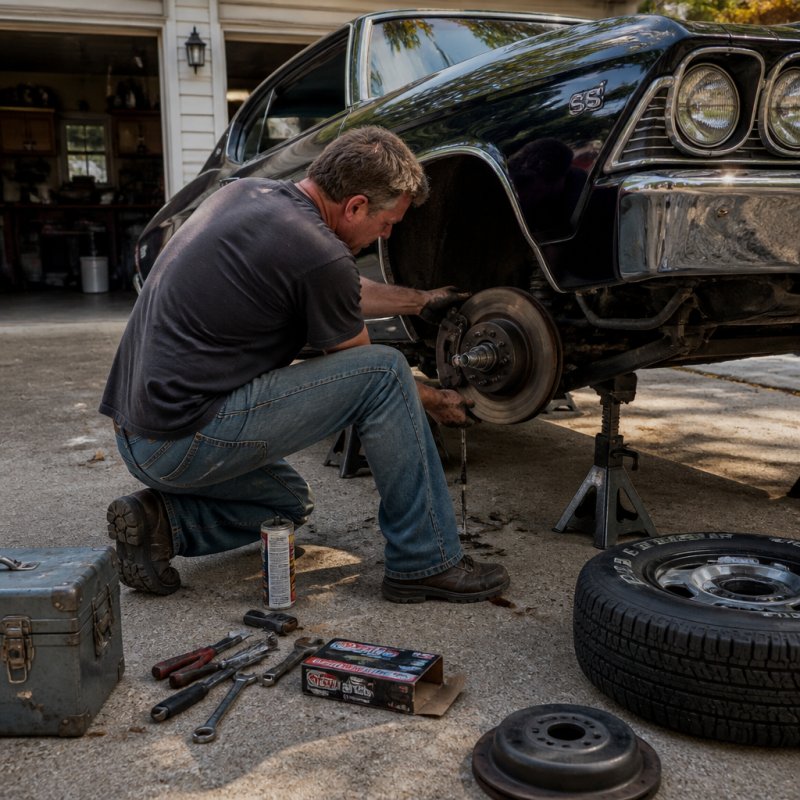
Doing your own repairs appeals to many because it’s often the most budget-friendly choice. Basic tasks like changing oil, replacing filters, or swapping out brake pads are manageable with some basic tools and patience. Not only do you save on labor costs, but you also gain valuable knowledge about your vehicle. Plus, completing repairs on your schedule means no waiting around or fitting into a shop’s timetable.
However, not all repairs are suited for DIY. While simple jobs are within reach, more complex or safety-critical repairs require specialized skills and equipment. Mistakes in electrical systems, high-pressure fluids, or engine work can lead to bigger problems or safety hazards if not handled properly. Being honest about your skill level and comfort with certain tasks helps prevent costly errors and keeps your vehicle safe.
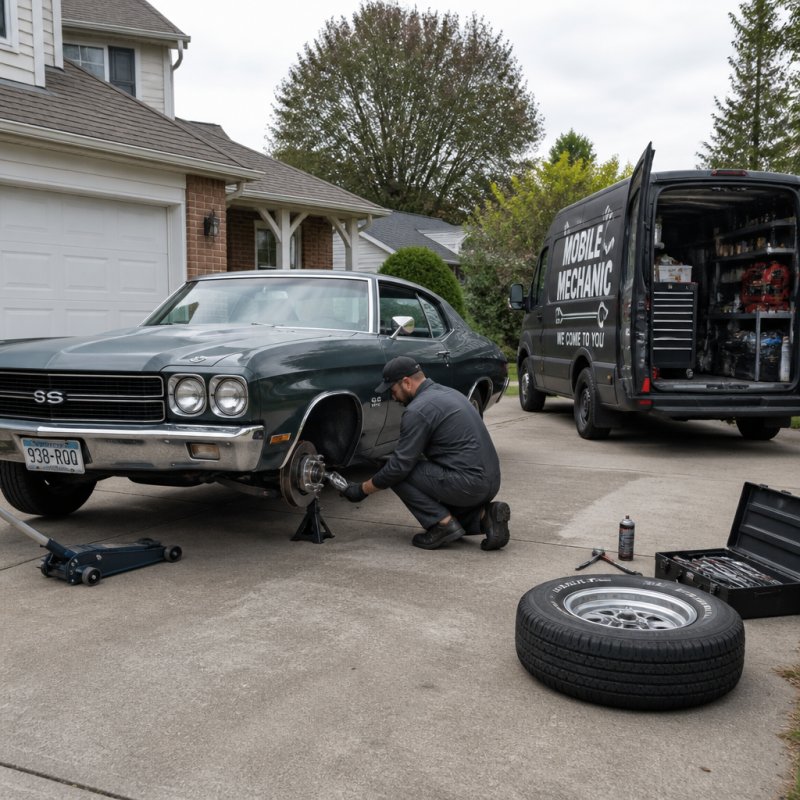
That’s where mobile mechanics step in. They bring their services directly to your driveway, parking lot, or workplace, offering a level of convenience that can’t be matched. For routine fixes like dead batteries, flat tires, or fluid top-offs, a mobile mechanic can often handle the job quickly and efficiently. Watching the work unfold and asking questions can also turn into a learning experience, giving you insights into your vehicle’s condition.
Despite their advantages, mobile mechanics do have limitations. They’re typically equipped for common repairs but lack the heavy-duty tools and diagnostic equipment found in a full-service shop. Complex issues like engine rebuilds or transmission repairs usually require a trip to a garage. Availability can also be a concern if you need urgent service or are in a remote location.
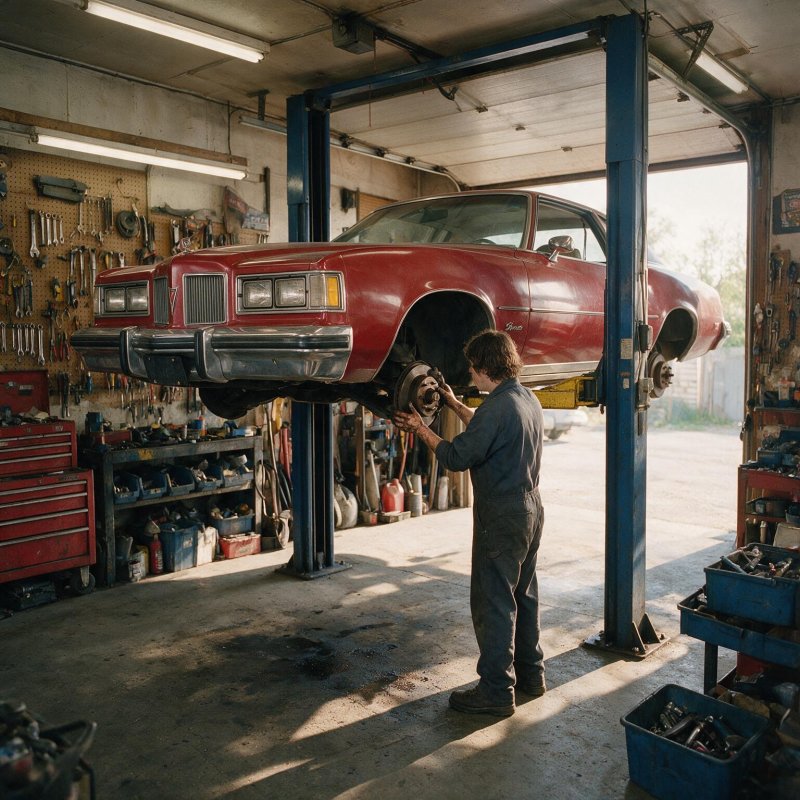
Traditional garages, on the other hand, are designed for the most complex and safety-critical repairs. With lifts, advanced diagnostic scanners, and specialized tools, they’re equipped to handle engine overhauls, transmission work, and electrical system diagnostics. Their technicians are trained for intricate issues, ensuring repairs are done correctly and thoroughly, often backed by warranties.
Choosing between these options depends on the repair’s complexity, safety needs, and your budget. Simple maintenance tasks can often be tackled yourself, while routine repairs suited for mobile mechanics save time and hassle. For anything more involved or safety-sensitive, trusting a professional garage ensures your vehicle remains reliable, safe, and long-lasting. Picking the right approach keeps you in control and your car on the road.
DIY Car Repairs: Save Money and Learn Skills
Doing your own car repairs can be a smart way to save money and gain a better understanding of how your vehicle works. Basic tasks like changing the oil, swapping out filters, or replacing brake pads are often straightforward enough for most people with some basic tools and a bit of patience. These simple repairs not only cut down on labor costs but also give you a sense of accomplishment and a chance to learn more about your car’s mechanics. Regular DIY maintenance can help keep your vehicle running smoothly longer and make it easier to spot potential issues early before they turn into costly repairs.
However, it’s crucial to recognize your limits. While simple jobs are manageable, more complicated or safety-critical repairs require specialized knowledge and tools. Working on electrical systems, high-pressure fluids, or engine components without proper training can lead to errors that damage your car or compromise safety. Mistakes in these areas might cause further damage, void warranties, or even create dangerous situations. Being honest with yourself about your skill level and comfort is key—trying to DIY beyond your expertise can quickly turn a small saving into a costly mistake.
Tools are another important consideration. Basic repairs, like replacing windshield wipers or a battery, require only standard hand tools—screwdrivers, wrenches, or pliers. But advanced repairs often demand specialized equipment such as torque wrenches, diagnostic scanners, or vehicle lifts. Without these, attempting complex repairs can be unsafe or lead to improperly done work. If you don’t own the necessary tools and have no plans to use them regularly, it might be more sensible to leave those repairs to professionals.
Readers may find more insight in Smart Car Repair Choices for Safe and Cost-Effective Maintenance, an article by Iri King on Top Stories Worth Reading.
Cost savings is one of the biggest reasons to consider DIY repairs. You’re only paying for parts, which can be significantly cheaper than labor fees at a shop. Performing routine maintenance yourself—like oil changes or replacing air filters—can keep your expenses low while giving you control over the process. Still, mistakes can backfire if you damage parts or create safety issues, which might lead to even higher costs down the line. Weighing the initial savings against potential risks helps ensure you don’t end up spending more than you save.
Safety should always come first. Carefully assess whether a repair is within your skill set before you start. Rushing into complex tasks without proper knowledge or equipment increases the risk of injuries or making the problem worse. If you’re unsure, it’s better to seek professional help or at least get a second opinion. Approaching DIY repairs with realistic expectations and a clear understanding of your abilities helps you avoid costly mistakes and keeps your vehicle safe on the road.
Learning to do simple repairs on your own can be rewarding and empowering. It’s a practical way to save money, extend your vehicle’s lifespan, and develop useful skills. But for anything beyond basic maintenance, knowing when to call in a professional is wise. Relying on experts for complex or safety-critical repairs guarantees that your car remains reliable and safe, giving you peace of mind every time you hit the road. Balancing DIY efforts with professional help ensures you maintain your vehicle efficiently without risking safety or quality.
Mobile Mechanics: Convenient Repairs at Your Doorstep
Hiring a mobile mechanic can be a real game-changer when it comes to fixing your car. Instead of the hassle of towing or waiting in a busy shop, a mobile mechanic comes directly to your driveway, parking lot, or even your workplace. This level of convenience often makes a stressful situation much easier to manage, especially if your vehicle breaks down unexpectedly or your schedule is tight.
One of the main benefits is how much easier it makes your day. No need to coordinate towing services or rearrange your entire schedule to drop off and pick up your car. Instead, you can stay at home or work while the mechanic handles the repair right where your car is parked. Watching the work unfold and asking questions can also be a great way to learn more about your vehicle — it’s a more personal, flexible approach that puts you in control.
However, mobile mechanics do have their limits. They’re typically equipped with tools suitable for common repairs like replacing batteries, fixing flat tires, or topping off fluids. For more complex issues that require heavy-duty equipment, lifts, or advanced diagnostics, they might not have the necessary tools on hand. This means jobs like engine rebuilds, transmission repairs, or extensive electrical diagnostics are usually beyond their scope and need a visit to a full-service shop.
Availability can be another challenge. Mobile mechanics often have busy schedules, especially for urgent or same-day repairs, which can lead to delays. If you’re in a remote or less-populated area, finding a mobile mechanic who can come quickly might be harder. Quality also varies depending on experience and reputation, so it’s worth checking reviews or credentials before booking a service to ensure reliability.
You may also find value in Edwin Simmons‘s article Choose the Perfect Car Repair Method for Every Situation available on Big News Great Britain.
Despite these limitations, many find that mobile mechanics are an affordable and practical solution for routine repairs. Their lower overhead often translates into competitive pricing for simple fixes, making them a good alternative to traditional garages when speed and convenience matter. For quick, driveway-friendly jobs, they’re often the best choice, saving you time and avoiding the inconvenience of shop visits.
Choosing a mobile mechanic doesn’t mean sacrificing quality. Many are highly trained and certified, with years of experience. The key is matching the repair’s complexity with what they’re equipped to handle. For safety-critical or highly technical issues, a full garage with specialized tools remains the safest bet. But for minor repairs or maintenance, a mobile mechanic can get your vehicle back on the road efficiently and without disrupting your day.
Garage Repairs: Expert Solutions for Complex and Critical Issues
Garage repairs are the go-to choice when dealing with complex or safety-critical issues. These shops are equipped with heavy-duty lifts, advanced diagnostic scanners, and specialized tools that enable technicians to perform precise and thorough repairs. Whether it’s an engine overhaul, transmission rebuild, or intricate electrical diagnostics, professional garages have the resources to handle these jobs correctly the first time. Their expertise ensures that complex problems are addressed safely, reducing the risk of mistakes that could compromise your vehicle’s reliability or safety.
The availability of specialized equipment makes a significant difference. Lifts allow technicians to access undercarriage components easily, while diagnostic scanners quickly identify hidden faults. This combination streamlines repairs and ensures every part of the problem is examined thoroughly. For example, engine rebuilds require meticulous calibration and testing, tasks that only well-equipped garages can deliver confidently. Such precision minimizes the chances of future breakdowns and extends the lifespan of your vehicle.
Warranties are another key advantage of choosing a professional garage. Many shops guarantee their parts and labor, offering peace of mind that the repair will hold up over time. Should a problem reoccur or a fault be missed, you can return for a free or discounted fix. This safety net is especially valuable for complex repairs, where errors can be costly and dangerous if left uncorrected. It’s a reassurance that your investment in repairs is protected and your vehicle remains safe on the road.
Of course, this level of service comes at a higher price and often requires scheduling in advance. The convenience of dropping off your car and waiting for the repairs to be completed is balanced by the cost, which reflects the specialized tools and skilled labor involved. While some shops may engage in upselling or recommend additional work, reputable garages prioritize safety and quality over unnecessary expenses. It’s wise to get a second opinion on major repairs to ensure you’re only paying for what’s truly needed.
The topic is expanded upon in Ultimate Guide to Choosing the Best Car Repair Method, an article by Gabby Reed on Astral Connection Gateway.
For repairs that impact safety, warranty coverage, or involve intricate systems, trusting a professional garage is the best choice. Their advanced equipment, technical expertise, and guarantees ensure your vehicle is repaired correctly and reliably. This not only preserves your car’s performance but also provides peace of mind that you and your passengers are protected. When it’s time for complex or critical work, a reputable garage is the safest, smartest option to keep your vehicle in top shape.
Choosing the Right Repair Method: Make Informed Decisions
Deciding how to handle a car repair depends largely on understanding the nature of the problem and weighing safety, cost, and convenience. For routine tasks like replacing wiper blades, topping off fluids, or changing the oil, DIY is often the best choice. These jobs require minimal tools and can be done quickly, saving money and giving you a sense of accomplishment. However, when the repair involves complex systems, high voltages, or safety-critical components, professional help becomes essential.
If a repair needs specialized equipment—like a lift, advanced diagnostic tools, or calibration—heading to a garage is usually the safest bet. These shops are equipped to handle intricate problems correctly, often backed by warranties that protect your investment. For issues such as engine rebuilds, transmission repairs, or electrical diagnostics, trusting experts ensures your vehicle’s safety and longevity.
Mobile mechanics bridge the gap between DIY and full-service garages. They’re ideal for straightforward, driveway-friendly repairs like battery replacements or brake pad swaps. Their convenience saves time and reduces hassle, especially when your schedule is tight or the car’s breakdown is urgent. Still, their capabilities are limited, so more involved repairs requiring heavy-duty tools or extensive diagnostics should be left to the professionals.
Cost is a major factor. DIY repairs typically cost only for parts, making them the most budget-friendly option. Mobile mechanics often offer competitive pricing for routine fixes, while garages, with their advanced equipment and expertise, usually come at a higher price. Balancing your budget with safety and reliability helps determine the best approach.
Safety and reliability should always come first. Attempting complex or dangerous repairs without the proper skills or tools can lead to accidents, further damage, or voided warranties. Recognizing your limits and knowing when to call in professional help protects both you and your vehicle.
Consider the repair’s impact on your vehicle’s warranty. For newer cars, sticking with authorized or certified shops often preserves coverage. DIY or mobile repairs might void warranties if not performed according to manufacturer standards, so it’s worth checking before proceeding.
In the end, matching the repair to the right method ensures your car remains dependable and safe. Simple maintenance belongs in your hands, routine repairs fit well with mobile services, and complex issues demand the expertise and equipment of a reputable garage. Making informed choices means fewer surprises, better safety, and longer vehicle life.