




In an era where seamless, customizable communication is essential for staying competitive, how can innovative telephony solutions revolutionize your network? Grandstream’s state-of-the-art devices and cloud-based management systems offer a compelling answer. Their scalable IP phones, equipped with high-resolution displays, HD audio, and flexible features like Bluetooth and Wi-Fi, empower organizations to tailor communication workflows to specific roles and needs. This customization streamlines daily operations, enhances customer interactions, and boosts employee productivity. The centralized platform simplifies deployment, updates, and security management—especially vital as businesses grow or pivot—saving time and resources. Yet, as technology advances with AI integrations and 5G connectivity, the question remains: are your current communication tools prepared to meet the demands of a rapidly digitalizing world? Transforming communication from a utility into a strategic asset isn’t just a possibility; it’s a necessity for future success.
Unlocking Business Potential with Customizable Telephony Solutions
In today’s fast-moving business landscape, clear and adaptable communication is no longer a luxury—it’s a necessity. Companies are under pressure to stay connected, collaborate efficiently, and respond swiftly to customer needs. Rigid, off-the-shelf phone systems often fall short of supporting these dynamic demands, which is why customizable telephony solutions are gaining traction. They offer the flexibility to tailor communication tools to fit specific workflows, roles, and organizational growth, making everyday interactions smoother and more effective.
Customized telephony isn’t just about fancy features; it’s about aligning technology with real business needs. When systems are configured to match how teams work, employees find their tools more intuitive and easier to use. For example, a sales team might benefit from quick access to conference calling and call transfer buttons, streamlining their outreach efforts. Meanwhile, support staff could prioritize queue management and speed dial options to handle customer inquiries faster. These tailored setups eliminate unnecessary steps and reduce frustration, helping staff focus on what they do best.
The benefits stretch beyond individual productivity. Personalized systems improve overall customer interactions, leading to higher satisfaction and loyalty. When employees have instant access to the right features, they can respond more confidently and swiftly, minimizing dropped calls and long hold times. Over time, these enhancements contribute to a reputation for reliability and responsiveness, which can differentiate a business in competitive markets.
Scalability is another key advantage of customizable telephony. As businesses expand or pivot, their communication needs evolve. Cloud-based management platforms make it easy to add new devices, update features, and reconfigure settings without disrupting daily operations. This flexibility supports rapid growth and organizational changes, ensuring the communication system remains aligned with business objectives. Instead of overhauling infrastructure, companies can simply adapt existing setups, saving time and resources.
Investing in adaptable telephony solutions also future-proofs a business. Modern devices, especially those managed through centralized platforms, simplify ongoing maintenance. Remote configuration, automatic updates, and real-time monitoring mean less on-site support and quicker resolution of issues. This ease of management keeps systems secure, reliable, and ready to incorporate new features and technologies. It’s a strategic move that ensures communication infrastructure can grow alongside the organization.
Personalization plays a crucial role in user adoption and satisfaction. When devices are configured to meet individual preferences or specific role requirements, employees find them more intuitive and less frustrating. This enhances confidence in the system, accelerates onboarding, and encourages consistent use. A communication setup that feels tailored to each user promotes natural, effective interactions, ultimately boosting overall team productivity.
This shift toward customizable telephony transforms communication from a basic utility into a strategic asset. It enables organizations to be more agile, responsive, and connected in a rapidly digitalizing world. By aligning technology with unique operational needs, businesses can improve efficiency, enhance customer experiences, and gain a competitive edge. In essence, flexible telephony solutions turn communication into a powerful driver of growth and innovation, making them a vital part of modern business strategy.

Grandstream’s Telephony Devices: Power and Flexibility at Your Fingertips
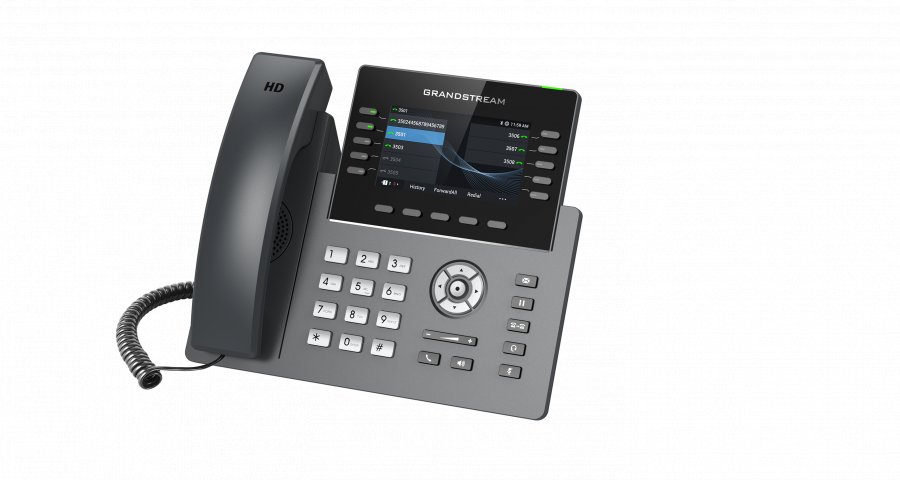
Grandstream’s telephony endpoints are designed to meet the diverse needs of modern businesses, blending advanced features with user-friendly interfaces. Their IP phones boast high-resolution color displays and crystal-clear HD audio, making daily communication straightforward and efficient. Whether dialing, messaging, or managing contacts, employees find these devices intuitive to navigate, which immediately boosts productivity. Many models support programmable keys, Bluetooth connectivity, Wi-Fi, and Power over Ethernet (PoE), providing flexible deployment options that easily adapt to different work environments and infrastructure setups.
A key strength of Grandstream’s devices lies in their scalability and ease of management. Built for large deployments, these endpoints excel in environments like call centers, hospitality, or enterprise offices—anywhere hundreds or even thousands of phones are in use. The hardware’s robustness, combined with support for cloud provisioning and centralized management through Grandstream’s Device Management System (GDMS), simplifies both deployment and ongoing maintenance. IT teams can configure, monitor, and update devices remotely, saving time and reducing the need for on-site support, all while maintaining consistency across the entire network.
Cloud-based management platforms form the backbone of Grandstream’s device ecosystem. These platforms enable organizations to oversee large numbers of endpoints from a single, intuitive interface. Administrators can push firmware updates, modify settings, and troubleshoot issues remotely, minimizing downtime and operational disruptions. Automatic security patches and updates keep devices protected against vulnerabilities, which is crucial for maintaining a secure and resilient communication infrastructure. For growing businesses, this centralized control makes scaling straightforward, ensuring new devices seamlessly integrate into the existing system.
Customization options further enhance user experience. Businesses can tailor device settings to match operational needs or individual preferences. For example, a customer support team might configure phones with quick access to call transfer, conference, and queue management features, streamlining their workflow. Conversely, executives may prioritize high-quality audio, calendar integration, and contact directories for a more personalized experience. Role-specific button layouts, ringtone preferences, and security protocols help optimize each device for its specific purpose, resulting in increased efficiency and higher user satisfaction.
Deploying multiple devices simultaneously becomes efficient and manageable thanks to Grandstream’s management tools. Whether expanding to new locations or upgrading infrastructure, organizations can set up and configure large batches of phones quickly and uniformly. Remote provisioning and troubleshooting reduce downtime and minimize operational disruptions, making it easier to support rapid growth or organizational changes. This mass deployment capability ensures consistency and reliability across all endpoints, which is vital for delivering a seamless communication experience and maintaining organizational agility.
Beyond hardware, Grandstream’s devices support a wide range of integrated features that elevate business communication. Bluetooth and Wi-Fi support enable flexible device placement and mobile connectivity, reducing wiring clutter and allowing staff to handle calls on the go. Features like integrated voicemail, call forwarding, and auto-attendant options streamline routine tasks, freeing up staff to focus on high-value interactions. These capabilities, combined with easy-to-use interfaces, help teams stay connected, responsive, and productive throughout the workday. The result is a communication system that adapts effortlessly to evolving business needs while maintaining top-tier performance and security.

Revolutionizing Business Communication: Embracing Innovation for Growth
The way businesses communicate is undergoing a rapid transformation, driven by innovative telephony solutions that are more intelligent, flexible, and seamlessly integrated than ever before. Traditional landline systems, once simple tools for voice calls, now serve as the foundation for platforms that support multi-channel collaboration across various devices and locations. This shift isn’t just about adding new features; it fundamentally reshapes how organizations operate, respond to customer needs, and stay competitive in a digital world.
A key driver of this change is the rise of cloud-managed telephony platforms. These systems give organizations centralized control over hundreds or thousands of devices, all manageable through user-friendly interfaces. IT teams can push updates, reconfigure settings, and troubleshoot remotely, reducing downtime and operational costs. This approach also enhances security, with automatic firmware updates and patches that keep devices protected against vulnerabilities, ensuring a resilient communication infrastructure that adapts to evolving threats.
Customization plays a crucial role in this evolution. Companies are no longer bound by rigid systems; instead, they tailor their telephony setups to fit specific workflows and roles. A sales team, for example, might prioritize quick access to conference calling and call transfer features, while customer support staff focus on queue management and speed dial options. When devices are configured to meet these needs, employees work more intuitively, boosting productivity and reducing frustration. This personalized setup encourages quicker onboarding and higher system adoption, leading to more natural and effective communication.
The scalability of these solutions makes a significant difference as organizations grow or upgrade their infrastructure. Large deployments, which once meant hours of manual configuration, now become straightforward with centralized management tools. Admins can set up and configure hundreds of phones simultaneously, ensuring consistency across locations. This ability to deploy quickly and uniformly supports rapid expansion and organizational agility, enabling businesses to respond swiftly to market demands without sacrificing system reliability or security.
Beyond deployment, real-time analytics and monitoring turn communication systems into strategic assets. Modern telephony solutions offer insights into call patterns, network performance, and user behavior, enabling proactive adjustments. For instance, identifying peak call times can inform staffing decisions, while monitoring network health ensures quality and reduces disruptions. These data-driven insights help organizations optimize workflows, enhance customer experiences, and stay ahead of operational challenges, transforming communication from a utility into a competitive advantage.
Emerging technologies like AI-driven call routing, voice assistants, and immersive collaboration tools are pushing the boundaries even further. AI can automatically direct calls to the most suitable agent, reducing wait times and increasing first-contact resolution. Voice assistants handle routine inquiries or schedule appointments, freeing staff for more complex tasks. As 5G networks and augmented reality become more widespread, remote teams will communicate with the same clarity and responsiveness as in-office staff. Staying ahead of these trends is essential for organizations aiming to lead in their industries.
This ongoing shift in business communication extends beyond technology, influencing organizational culture and customer engagement. Companies leveraging innovative telephony solutions foster more connected, responsive, and agile teams. They can adapt quickly to changing market conditions and deliver superior customer service—all while simplifying management and lowering costs. This isn’t just a technological upgrade; it’s a strategic move that redefines what’s possible in business interaction, turning smarter, more connected systems into vital drivers of growth and innovation.