




What if the biggest hurdle to learning to swim isn’t skill, but courage? This inspiring guide reveals how anyone—regardless of age—can transform water fear into confidence through simple, manageable steps. From sitting at the pool’s edge to mastering breathing and basic movements, the journey emphasizes patience, support, and celebrating small victories. Modern, personalized approaches to swim instruction foster a safe, encouraging environment, making water an inviting space rather than a threat. As you gradually progress from floating to swimming, you’ll discover that building trust in the water is more about mindset than mastery. The path is filled with gentle guidance, practical tools, and psychological comfort, reminding us that setbacks are natural and persistence pays off. Every splash, every stroke taken with confidence, brings you closer to embracing water joyfully—so, what if taking that first step is the key to a lifelong relationship with water?
Begin Your Water Journey: Overcoming Fear at Any Age
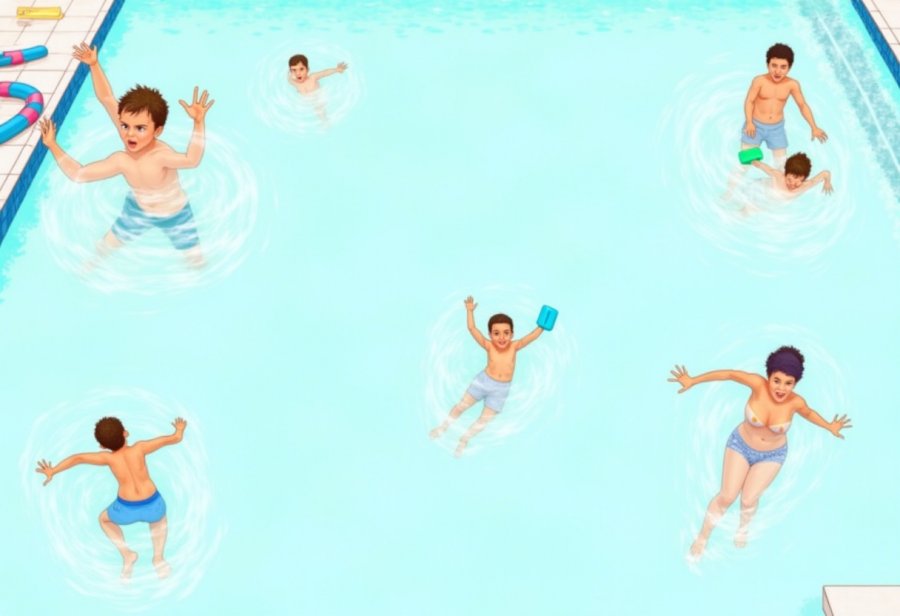
Learning to swim isn’t just about mastering strokes or floating—it’s a personal journey that begins with a simple, often nerve-wracking first step. Whether you’ve avoided the water your whole life or are finally deciding to face a long-held fear, that initial move can feel intimidating. It’s completely normal to feel hesitant or unsure; many people do. But the good news is, regardless of your age or experience, overcoming water fears is entirely within reach with patience and the right mindset.
This first stage isn’t about rushing to swim across the pool—it’s about building trust with the water. It starts with small, manageable activities like sitting at the edge, splashing, or gently dipping your toes in. These moments help you get used to the sensation of water and begin to relax your body. When you’re comfortable with these small steps, you’re already making progress toward feeling more confident in aquatic environments.
As you start to relax, focus shifts to breathing and comfort. Learning how to control your breath—inhale through your nose and exhale steadily—lays a solid foundation for more advanced skills. This breathing control helps you stay calm, prevents panic, and fosters a sense of mastery over your body in the water. Combining these breathing exercises with gentle water activities begins to change your perception of water from something frightening to something familiar.
From there, the journey naturally progresses to basic propulsion skills like kicking and arm movements. Support tools such as kickboards or holding onto the pool’s edge allow you to practice these movements without the fear of sinking. Repeating these simple actions builds coordination and strength, gradually transforming them into second nature. Each small milestone—whether floating a little longer or moving a few feet—reinforces your trust in the water and boosts your confidence.
Remember, learning to swim is a process, not a race. Everyone moves at their own pace, and patience is key. It’s normal to revisit earlier skills multiple times before feeling ready to move forward. Celebrating small victories along the way keeps motivation high and helps water shift from an obstacle to a space where you can thrive. With consistent effort and a supportive attitude, water becomes less intimidating and more inviting.
Trust yourself and recognize that setbacks are part of the journey. With time, practice, and patience, the water can become a place of joy and exploration rather than fear. Each step forward, no matter how small, brings you closer to a lifelong relationship with water built on confidence and enjoyment.
Master the Fundamentals: Building a Solid Swimming Foundation
Learning to swim is a gradual process that builds on a few core principles. It begins with getting comfortable in the water—simply sitting at the pool’s edge, splashing around, or floating on your back. These simple actions help you become familiar with water’s sensation and start to relax your body, laying the groundwork for more advanced skills. When you’re at ease, your confidence naturally grows, making the next steps feel less intimidating.
Once comfort is established, the focus shifts to mastering breathing control. Learning how to breathe steadily—inhale through your nose and exhale slowly underwater—creates a sense of calm and helps prevent panic. This breathing practice is fundamental, as it underpins all other movements and ensures you stay relaxed even when the water feels unfamiliar or challenging.
After breathing, swimmers typically move on to basic propulsion skills like kicking and arm movements. Using support tools like kickboards or simply holding onto the pool’s edge allows you to practice these motions separately. Developing coordination and strength in these fundamental actions is essential before combining them into more fluid, longer movements. Repeating these exercises builds muscle memory and confidence, making each skill feel more natural.
Progression then involves connecting these separate skills into simple glides or short swims. By adding one element at a time—such as a kick combined with a stroke—you build a layered understanding of swimming mechanics. This incremental approach prevents overwhelm and boosts your sense of achievement with every new milestone.
Understanding that learning occurs in stages helps keep the process manageable. It’s normal to revisit earlier skills repeatedly; mastery is not immediate. Patience and consistent practice are your best allies. Celebrating small successes, like floating a little longer or moving a few feet, reinforces your trust in water and encourages further progress.
Physical factors like age, fitness, and past experiences influence how quickly you advance. Recognizing this allows you to tailor your approach—taking extra time for breathing exercises or practicing in a relaxed environment. Building a solid foundation where each step supports the next sets you up for success in mastering more complex techniques later on.
As you move through these stages, you’ll notice your water confidence steadily increasing. The initial hurdles give way to a sense of ease and control. Each milestone—floating, gliding, or starting to swim—marks a significant shift in your relationship with water. This process isn’t just about acquiring skills; it’s about transforming fear into trust, anxiety into confidence, and hesitation into enjoyment.
Embrace Modern Methods: Inclusive and Personalized Swim Instruction
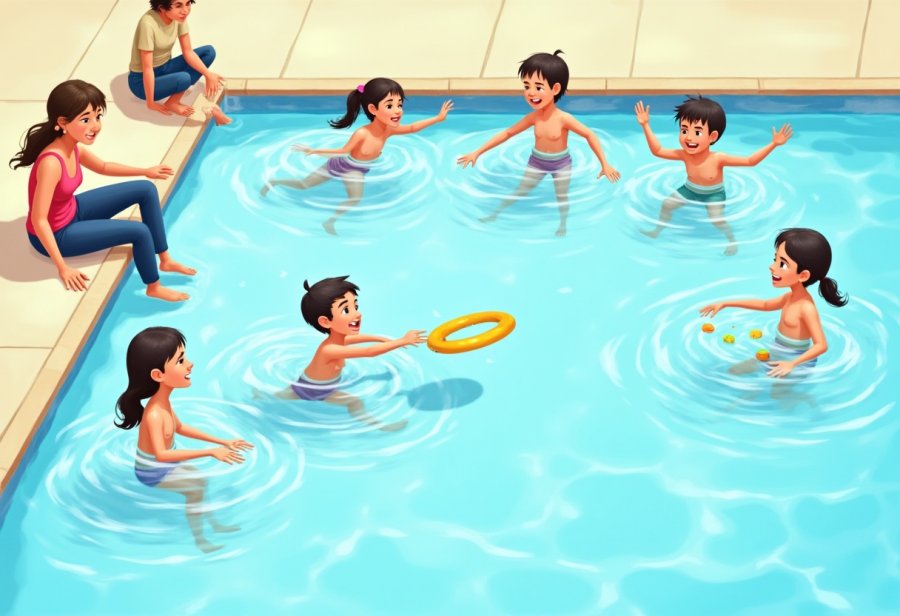
Today’s approach to teaching swimming has become more inclusive and adaptable, reflecting a deeper understanding that everyone’s water journey is unique. Instead of a one-size-fits-all method, instructors now focus on patience, understanding, and personalized guidance. This shift helps reduce the intimidation many beginners feel, especially those who’ve hesitated for years. Creating a positive, supportive environment encourages learners to see water as a safe space rather than a source of fear.
Modern swim instruction emphasizes safety and enjoyment equally. Teachers prioritize building trust, celebrating small successes, and making each step achievable. This approach fosters a lifelong love of water, transforming it from a daunting obstacle into a welcoming environment. Technology also plays a growing role, with videos, apps, and virtual coaching offering visual feedback and customized tips that make learning engaging and accessible.
Psychological comfort is central to current methods. Instead of rushing learners into challenging situations, instructors guide them gradually—from sitting at the pool’s edge and splashing water to floating and swimming short distances. This paced progression helps reduce anxiety, allowing confidence to develop naturally. When learners feel in control, water becomes less threatening and more inviting.
Understanding different learning styles is now a key part of teaching. Some respond better to visual cues, others to hands-on guidance or encouragement. Many programs blend these techniques, ensuring each person receives support tailored to their needs. This personalized approach can make a real difference in overcoming water fears and building skills more effectively.
The conversation around early versus later swimming lessons continues, but the trend is toward greater inclusivity. More adults are discovering it’s never too late to learn—especially when lessons are adapted to their comfort level. The goal remains to make water safety and confidence accessible to all, regardless of age or background, fostering a lifelong connection with water.
Media and pop culture often highlight adventure or danger, shaping perceptions of water learning. While inspiring, these portrayals can sometimes create misconceptions about safety and the learning process. Today’s educators focus on realistic, positive messages—emphasizing that with patience and proper guidance, anyone can learn and enjoy water safely.
Across the globe, water safety and teaching practices vary based on culture, climate, and resources. In many regions, swimming is seen as a vital skill taught early through community programs focused on rescue and survival. Despite differences, the core aim remains the same: to make water safety and confidence accessible, empowering people of all ages to enjoy and thrive in aquatic environments.
Practical First Steps: Simple Strategies to Start Swimming
Starting your water confidence journey doesn’t need to be complicated or overwhelming. The best way to begin is with simple, manageable steps that build your comfort gradually. Sit on the edge of the pool, let your toes dip in, or splash water on your face. These small actions help you get used to water’s sensation without pressure, easing nerves and familiarizing your body with the environment. Supportive tools like floaties, kickboards, or pool noodles can give you an extra layer of confidence as you explore the water at your own pace.
Practicing breathing outside the water can make a significant difference. Deep, slow breaths calm your nerves and prepare you for submerging your face or moving around. When you combine these breathing exercises with water activities, they create a sense of control that makes water feel less intimidating. There’s no rush—repeating these steps regularly, at your own speed, allows your body and mind to adjust comfortably.
Having a supportive buddy, instructor, or family member nearby can ease your initial fears. Their encouragement provides reassurance during those first moments when water feels unfamiliar. Celebrate every small victory—floating a little longer or moving a few feet without panic—as these wins are foundational for your progress. Regular short sessions reinforce your confidence, making each visit to the pool a step forward in your water journey.
Remember, it’s natural to feel hesitant or unsure at first. Your goal isn’t to master advanced strokes immediately but to feel safe and comfortable. Focus on enjoying the process and building trust in your body. Patience is key; rushing can lead to frustration or setbacks. Trust that with consistent practice, water will become a space of relaxation and joy rather than fear.
Support tools like kickboards, noodles, or life jackets aren’t just safety devices—they’re confidence boosters. They help you practice basic movements without sinking, making your early experiences positive and encouraging. As your skills improve, reliance on these tools will lessen, but in the beginning, they’re essential for building trust and reducing anxiety.
Everyone’s pace of learning differs, and that’s perfectly fine. Progress might be slow at times, but every small step counts. Focus on steady, consistent effort, and celebrate each milestone along the way. With patience, persistence, and a positive mindset, water will transform from an obstacle into a place of growth and enjoyment. Your journey toward water confidence is personal, and every effort brings you closer to feeling at home in the water.
Celebrate Progress: Sustaining Confidence and Embracing New Water Adventures
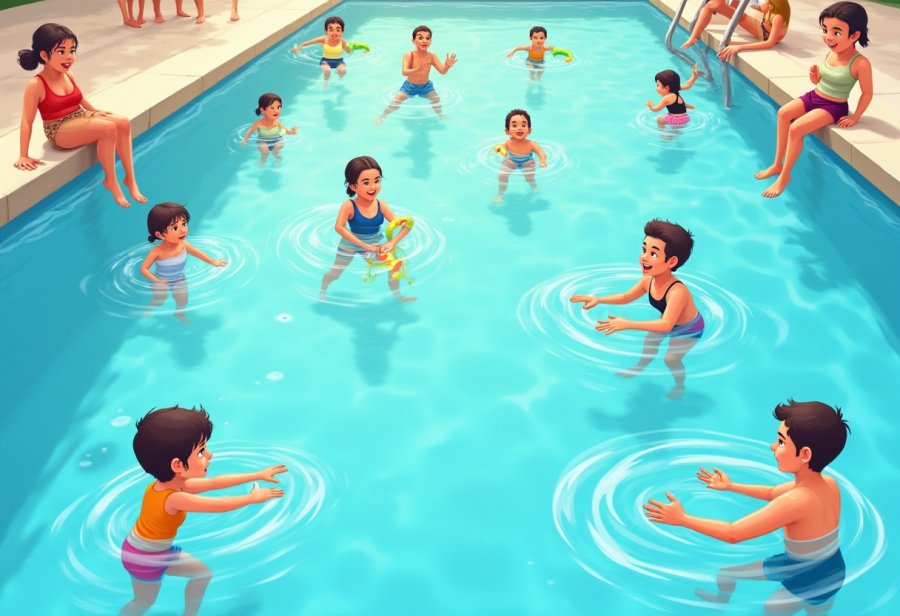
Building water confidence is an ongoing journey that benefits greatly from consistent practice. Even after reaching important milestones like floating longer or swimming short distances, revisiting the water regularly helps reinforce those skills and keeps any lingering anxiety at bay. Each visit is an opportunity to deepen your trust in your abilities and transform water from a source of fear into a familiar, enjoyable environment.
Celebrating small victories along the way is crucial. Whether it’s floating without support, taking more strokes, or simply feeling more relaxed in the water, these moments build momentum and motivate you to keep moving forward. Recognizing progress, no matter how minor, shifts your mindset from focusing on what’s left to learn toward appreciating how far you’ve come. Over time, these wins accumulate, gradually replacing fear with confidence and enjoyment.
Remember, water confidence isn’t built overnight. It’s a gradual process that requires patience and persistence. Set realistic goals, and don’t be discouraged by setbacks—they’re a natural part of learning. Sometimes, revisiting basic skills or practicing calming techniques can help you regain your footing. Staying flexible and kind to yourself ensures you stay motivated and prevents frustration from overshadowing your progress.
Looking ahead, the possibilities are wide open once you’re comfortable in the water. You might explore more advanced strokes, join local swim groups, or take on new water adventures. Each new challenge not only reinforces your skills but also deepens your connection to water, making it a source of joy and empowerment. The key is to keep building on your successes and embracing every opportunity to grow.
Ultimately, transforming water fears into confidence is about cultivating a positive, trusting relationship with water. Every step you take—big or small—serves as proof of your resilience and courage. With ongoing practice and a positive outlook, swimming can become a natural part of your life, offering safety, fun, and freedom. Your progress is a testament to your dedication, and each new experience brings you closer to enjoying water with confidence and ease.
So, stay patient, keep practicing regularly, and celebrate your journey. The confidence you’re building isn’t just about swimming—it’s about empowering yourself to face fears, embrace new experiences, and discover the joy that water can bring. As you continue to grow, you’ll find that water becomes less of an obstacle and more a space where you can move, explore, and thrive. Your effort matters, and every splash is a step toward a more confident, relaxed you.